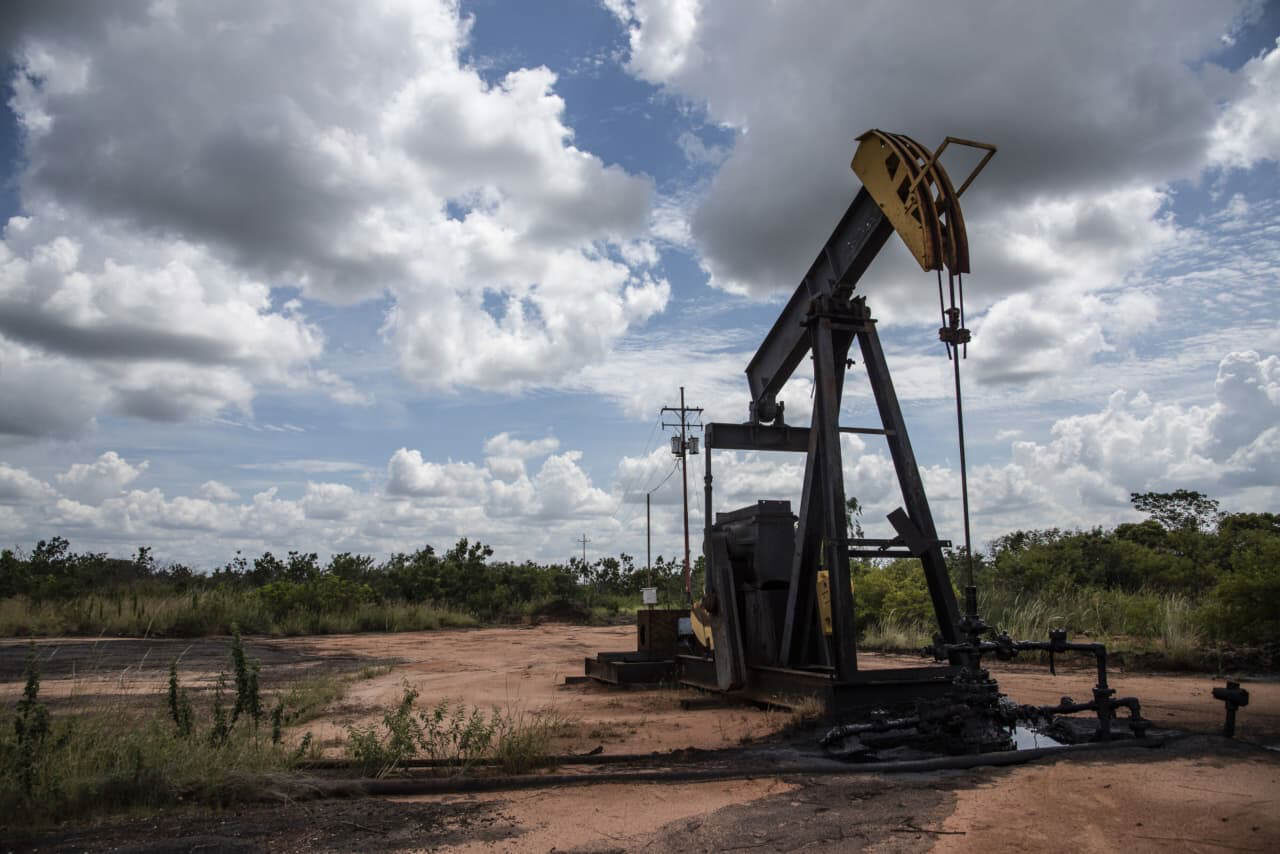
Oil prices experienced a significant increase on Monday as the U.S. took steps to implement a blockade on Iranian shipping following the breakdown of weekend peace talks. Meanwhile, the dollar strengthened, while stocks and bonds saw a decline.
The U.S. action, intended to exert pressure on Tehran, places a delicate ceasefire in jeopardy and offers no clear resolution to the restrictions on Middle East energy exports, although traders remain cautiously optimistic for a solution.
Brent crude futures increased by 7% to $102 a barrel, reflecting a rise of over 40% since the conflict disrupted navigation in the Strait of Hormuz. The STOXX 600 index in Europe declined by 0.7%, whereas futures for the S&P 500 and Nasdaq decreased by 0.6%.
U.S. Treasuries experienced a decline, resulting in yields on benchmark 10-year notes rising by 2 basis points to 4.33%. Meanwhile, European bonds faced slight pressure as well, leading benchmark German 10-year yields to increase by 2.5 basis points to 3.07%.
“The market reaction today is intriguing, as everything appears slightly weaker; yields are a bit higher, yet they are not plummeting as we observed a couple of weeks ago,” stated Lauren van Biljon, senior portfolio manager at Allspring Global Investments, which manages $628 billion in assets under advisement. “I wonder if this outcome indicates that markets were perhaps quite realistic about the negotiations over the weekend.” We had a slim chance of achieving something thorough and mutually accepted in that initial round of discussions, and clearly, we failed.
On Sunday, Trump indicated that oil and gasoline prices might stay elevated leading up to the midterm elections in the U.S. this November, marking a notable recognition of the possible political consequences stemming from the war.
“The market has largely returned to the conditions that existed prior to the ceasefire; however, the U.S. will now also prevent the remaining Iranian-linked flows of up to 2 million barrels through the Strait of Hormuz,” stated MST Marquee analyst Saul Kavonic.
“The crucial question that remains is whether the U.S. will resume strikes on Iran, which would heighten the risk of attacks on energy infrastructure throughout the region, potentially leading to enduring consequences that extend beyond the war itself.”
DOLLAR INCREASES, INFLATION RISES
In foreign exchange trade, the euro declined approximately 0.3% to $1.1692, while risk-sensitive currencies like the Australian dollar experienced a slight further decrease.
The significant increase in energy prices has led investors to brace for the likelihood that several central banks, including the European Central Bank and the Bank of England, may opt to raise interest rates, marking a stark shift from earlier expectations of rate cuts or an extended pause.
Last week’s U.S. inflation data indicated that consumer prices increased by the highest amount in almost four years in March, propelled by an unprecedented spike in gasoline costs. Traders in the money markets perceive a likelihood of less than 20% for the Federal Reserve to reduce rates this year.
In emerging markets, the Hungarian forint experienced a significant increase, reaching multi-year highs against the dollar and euro, following the loss of power by Hungary’s nationalist leader Viktor Orban after 16 years to an upstart center-right coalition in Sunday’s election.
The outcome is expected to facilitate the flow of European Union funding to Hungary and Ukraine.
“The recent political advancements have sparked a significant rally for the forint,” stated MUFG currency strategist Lee Hardman. “This price movement solidifies the forint’s status as one of the top-performing emerging market currencies this year.”