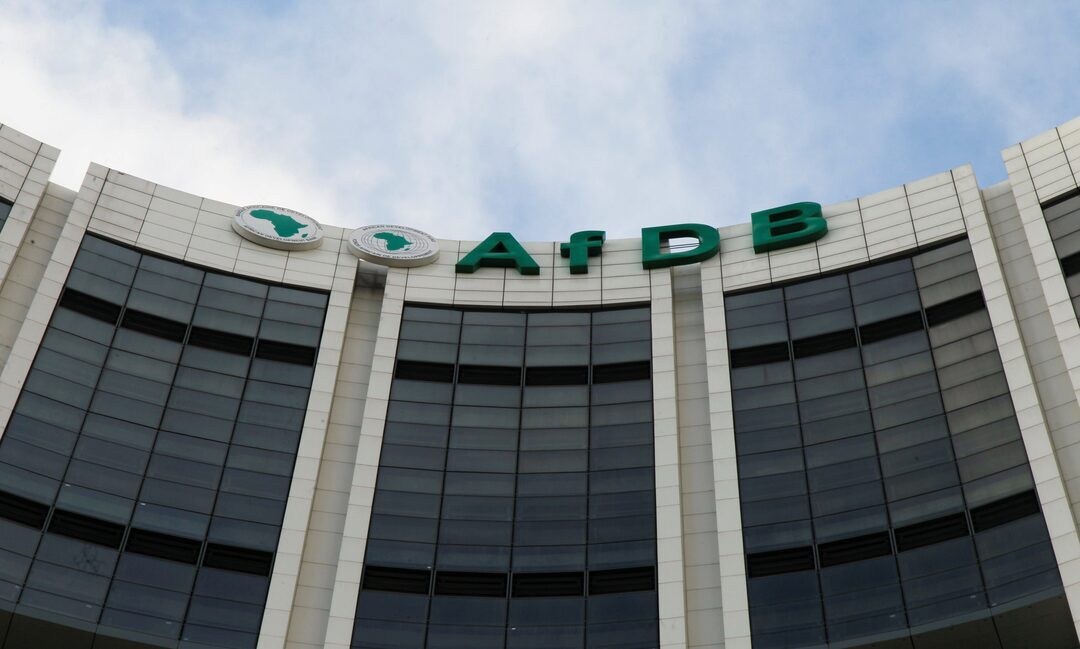
Federal government has successfully secured a $200 million loan from the African Development Bank to enhance the fiber network, aiming for nationwide broadband expansion and promoting digital inclusion.
The federal government has obtained a $200 million loan from the African Development Bank (AfDB) Group to facilitate the implementation of a 90,000-kilometer open-access fiber optic network nationwide, aiming to enhance broadband access and boost Nigeria’s digital economy.
The bank disclosed the development in a statement over the weekend, as reported by Nairametrics. This initiative is part of a larger $800 million sovereign financing package aimed at the Digital Value Chain Infrastructure for Boosting Employment (D-VIBE) Project, commonly referred to as Project BRIDGE.
The initiative aims to enhance Nigeria’s current fiber backbone, increasing its length from approximately 30,000 kilometers to 120,000 kilometers, with the goal of linking all 774 local government areas to high-speed internet infrastructure.
Subsequent evaluations revealed that the AfDB facility enhances the $500 million funding from the World Bank and the $100 million from the European Bank for Reconstruction and Development, resulting in a total of $800 million in sovereign-backed financing for the project.
The total estimated cost of the project stands at $2 billion, with further assistance anticipated from development grants and investments from the private sector.
The AfDB says that the funding plan includes a €22 million grant from the European Union, a $2.6 million grant for project preparation from the Multilateral Cooperation Center for Development Finance, and at least $1.2 billion from private investors, showing that more people are trusting in Nigeria’s digital infrastructure sector.
In his remarks regarding the initiative, Abdul Kamara, the Director-General of the AfDB Nigeria Office, stated that the project aims to tackle Nigeria’s enduring infrastructure deficit and create opportunities across various sectors.
He observed that enhanced connectivity would connect economic activities across the nation and enable young Nigerians to engage more actively in the digital economy.
The recent update comes after previous announcements made by the minister of communications, innovation, and digital economy, Bosun Tijani, who verified further investment backing from the EBRD for Project BRIDGE.
The minister announced that a portion of the funding would be directed towards digital public services and the Three Million Technical Talent program, which is designed to create a strong pipeline of skilled digital professionals.
Industry projections suggest that the project may yield a significant economic impact. It is anticipated to create as many as 2.8 million jobs throughout its lifecycle while increasing Nigeria’s broadband penetration from around 45 percent to nearly 70 percent by 2030.
The initiative will establish cross-border fiber links with neighboring countries such as Benin, Cameroon, Niger, and Chad, thus enhancing regional digital integration.
In addition to infrastructure deployment, the project is designed to tackle demand-side challenges, such as restricted access to affordable devices and insufficient digital skills.
The plans include creating cybersecurity measures, improving rules to encourage competition, and using hybrid and renewable energy solutions to make the network more reliable.
The federal government has recently announced a call for expressions of interest for a National Digital Economy Research Cluster as part of Project BRIDGE.
The program aims to produce insights based on data across important thematic areas such as connectivity, digital infrastructure, skills development, online safety, and artificial intelligence to inform policy implementation.