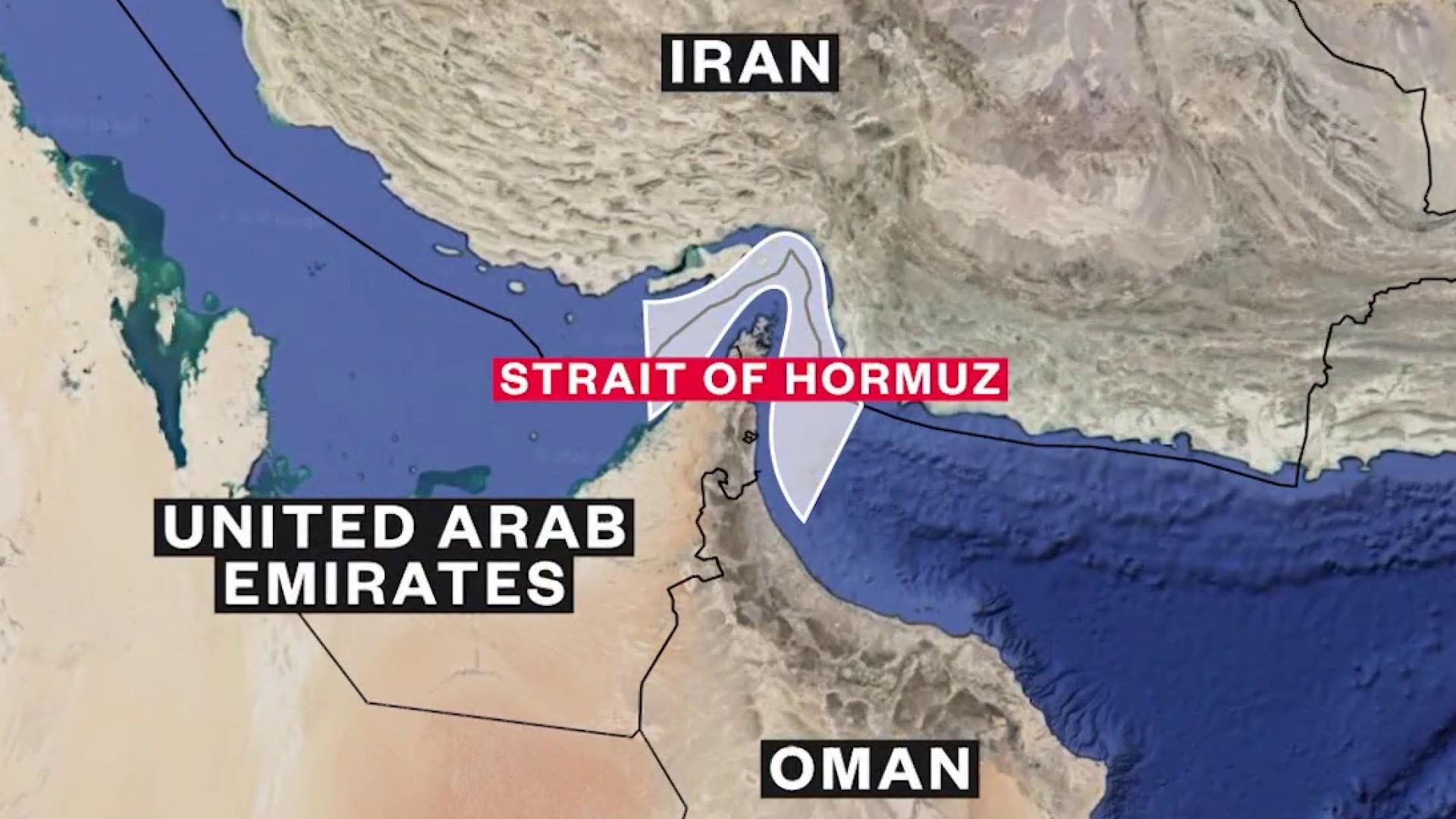
Traffic in the Strait of Hormuz slows as the US and Iran initiate negotiations
Ship movements continue to lag significantly behind normal levels, even with the ceasefire in place, while oil prices rise and uncertainty looms over the outcome of the critical US-Iran negotiations.
On Thursday, ship traffic through the Strait of Hormuz remained significantly below 10 percent of normal volumes, even with a US-Iran ceasefire in place. Tehran reinforced its authority by warning vessels to report to its authorities while navigating the strait.
Since the onset of the Iran war on February 28, hundreds of tankers and other vessels have been trapped in the Gulf, leading to a 20 percent reduction in global oil supply, marking the largest supply disruption in history. On Thursday, prices for certain physical oil grades reached new highs as the crisis continued to show minimal signs of improvement.
Only seven ships had navigated through the strait in the past 24 hours as of Thursday, compared to the usual approximately 140, according to ship-tracking data. According to data from Kpler, Lloyd’s List Intelligence, and Signal Ocean, the group consisted of one oil products tanker and six dry bulk carriers.
A chemical tanker was scheduled to cross, heading for India, according to ship-tracking data from the MarineTraffic and Pole Star Global platforms, as reported by Reuters.
“Most shipping lines are expected to exercise caution, and a two-week period will likely be insufficient to address the backlog, even with a significant rise in traffic,” stated Torbjorn Soltvedt from the risk intelligence firm Verisk Maplecroft.
Iran has reached an agreement for a two-week ceasefire with the United States, as announced by its National Security Council. Discussions with Washington are set to commence today in the Pakistani capital, Islamabad, following Tehran’s 10-point proposal.
The statement was revealed following Trump’s announcement that he would refrain from a threat to obliterate Iranian civilization and would “suspend” attacks on the nation for a duration of two weeks.
According to Iran’s semi-official Tasnim news agency, the Islamic Revolutionary Guard Corps (IRGC) has advised vessels to navigate through Iranian waters near Larak Island to steer clear of potential naval mines in the typical routes through the strait.
Media reports indicate that Iran may seek to impose a toll on ships transiting through, with some estimates placing the amount at $2 million. Additionally, ship-tracking data reveals that certain vessels are already opting for the atypical route around Larak Island.
On Thursday, oil prices increased by more than 3 percent due to uncertainties surrounding a delicate two-week ceasefire in the Middle East. This situation has sparked worries that energy transportation through the vital Strait of Hormuz may continue to face restrictions, leading shippers to be cautious about resuming transit.
Brent crude futures increased by $3.41, or 3.6 percent, reaching $98.16 a barrel, while US West Texas Intermediate (WTI) crude climbed $4.74, or 5 percent, to $99.15 a barrel.
In the last trading session, both benchmarks dropped below $100 per barrel, with WTI experiencing its largest decline since April 2020, fueled by optimism that the ceasefire would lead to the reopening of the strait.
Israel bombed additional targets in Lebanon yesterday, further jeopardizing the ceasefire after its most significant attacks of the war on its neighbor resulted in over 250 fatalities and posed a threat to Donald Trump’s truce from the very beginning.
Analysts noted that market participants were hesitant to completely eliminate the geopolitical risk premium, highlighting the lack of clarity regarding the implications of US-Iran discussions on oil flows.
In the meantime, Donald Trump is contemplating the withdrawal of certain US troops from Europe, following concerns regarding NATO allies’ lack of support in securing the Strait of Hormuz, as reported by Reuters.
A senior White House official stated that the US president has explored the option, which would represent a notable shift reflecting the increasing tension in transatlantic relations, with his advisors.
Currently, over 80,000 troops are stationed in Europe, with more than 30,000 of them in Germany, and significant numbers also present in Italy, the United Kingdom, and Spain.
Israeli Prime Minister Benjamin Netanyahu has announced that Israel will initiate peace talks with Lebanon “as soon as possible” following a series of intense military strikes on Wednesday that resulted in 303 fatalities.
The discussions will center on disarming the Iran-aligned militant group Hezbollah and fostering peaceful relations between the two nations.