Trump critiques NATO regarding the Iran war, highlighting significant divisions within the alliance and increasing tensions between the United States and its European partners.
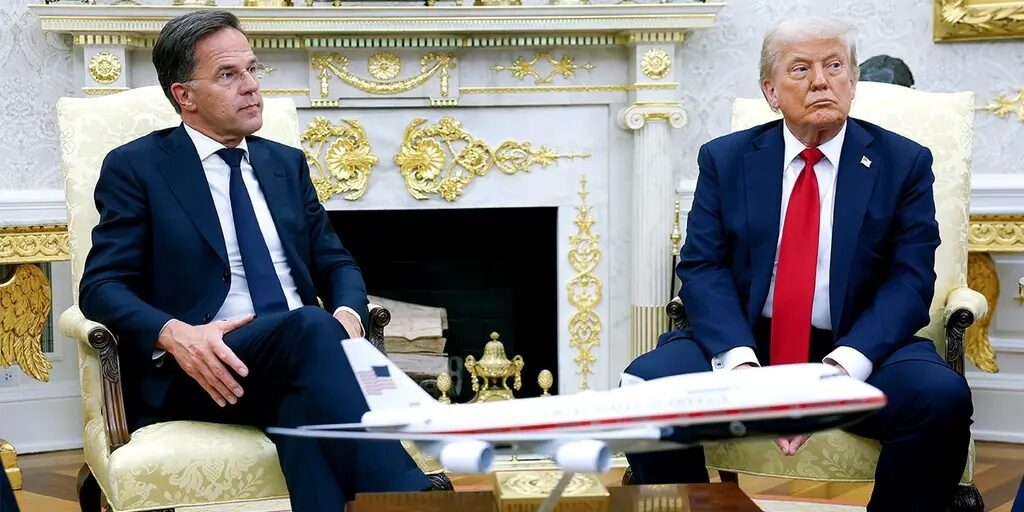
During a tense private meeting with NATO Secretary-General Mark Rutte, US President Donald Trump expressed criticism of the alliance, highlighting the growing divisions over the ongoing war involving Iran.
The meeting at the White House extended beyond two hours and featured candid and straightforward discussions between the two leaders. Afterward, Rutte characterized the discussions as open and candid, while recognizing Trump’s frustration with various NATO allies. He observed that while differences were apparent, the conversation occurred between “two good friends.”
The criticism grew stronger following White House spokeswoman Karoline Leavitt’s quote of Trump stating that NATO had been “tested and they failed” during the Iran conflict. The comments indicated an increasing discontent in Washington regarding what it perceived as inadequate backing from European allies throughout the US military operations.
A number of NATO member countries had opposed direct engagement in the conflict. Officials report that certain countries have denied US military aircraft access to their airspace, while others have chosen not to deploy naval forces to assist in securing the strategically important Strait of Hormuz, a vital route for global energy shipments.
While Rutte refrained from naming particular countries, he recognized that certain alliance members had not met expectations during the Iran operation. He also highlighted that many European nations had contributed in different ways, indicating a varied response instead of a total collapse in cooperation.
After the meeting, Trump expressed his criticisms again in a post on Truth Social, claiming that NATO had failed to support the United States when it was necessary and cautioning that such support may not be forthcoming in the future. In the past few weeks, he has consistently referred to the alliance as a “paper tiger” and has suggested the potential for the US to withdraw from the 32-member bloc.
The conflict arose despite Trump’s declaration of a temporary halt in hostilities against Iran, coinciding with a two-week ceasefire. Even with that development, the political repercussions from the conflict persisted in putting pressure on transatlantic relations, as diplomatic tensions displayed minimal signs of abating.
Leavitt emphasized the administration’s stance, claiming that NATO countries have neglected the American people while reaping the rewards of US-funded defense agreements. She mentioned that Trump aimed to address Rutte directly regarding burden-sharing and alliance commitments.
Trump urged nations reliant on Gulf oil supplies to assume a more significant role in countering Iran’s influence in the Strait of Hormuz. European diplomats suggested that numerous nations would avoid maritime security or mine-clearing operations while hostilities continued.
The disagreement signified a pivotal moment for NATO, as noted by analysts. Oana Lungescu, currently affiliated with the Royal United Services Institute, cautioned that the alliance has arrived at a “dangerous point” due to escalating geopolitical pressures.
The tensions regarding Iran intensified the pre-existing disagreements on matters like Ukraine, defense spending, and the priorities of US foreign policy. Trump’s position on Russia, his critiques of Ukraine, and previous remarks regarding Greenland had already caused unease among European allies.
In spite of the pressure, US officials privately assured European governments that Washington continued to uphold its commitment to NATO. In the meantime, Rutte aimed to sustain communication and investigate enhanced defense collaboration, encompassing conversations regarding the Iran conflict and the war in Ukraine.