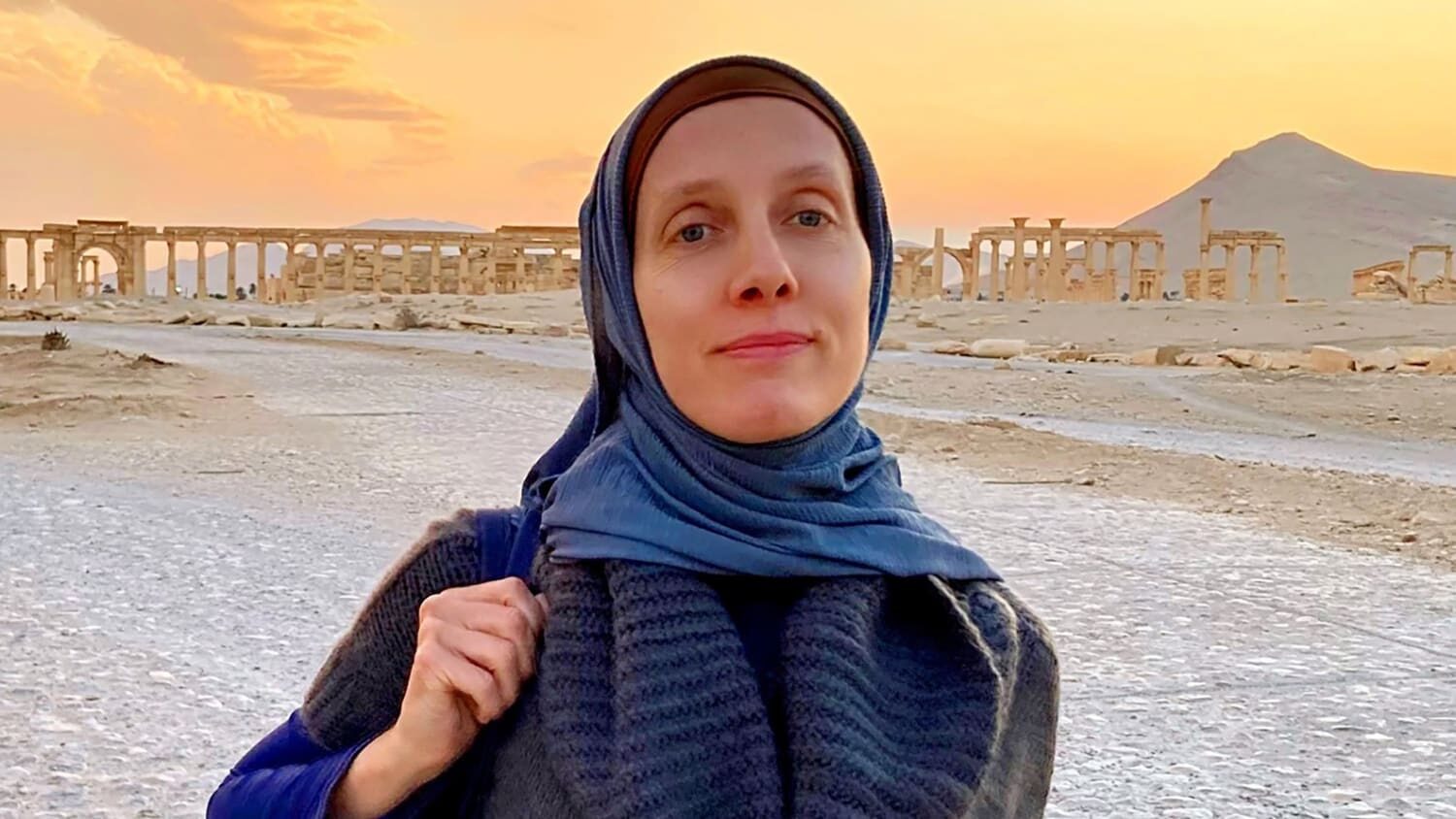
American journalist Shelly Kittleson, who was abducted, has been released in Iraq as the militia establishes exit conditions, with officials confirming that her safe departure is in progress.
American journalist Shelly Kittleson, who was abducted, has been released by an Iran-backed Iraqi armed group after several days in captivity. This development concludes a tense situation that raised international concerns regarding the safety of the press in conflict zones.
Kittleson, who was abducted on March 31 from a street corner in Baghdad, was released on Tuesday after a decision by Kataib Hezbollah, a prominent militia group often blamed for attacks on foreign nationals. The group stated that it released the journalist on the condition that she must “leave the country immediately.”
Marco Rubio confirmed her release, stating that the United States was relieved by the news and was actively working to secure her safe departure from Iraq. Rubio recognized the contributions of Iraqi authorities, the FBI, and the US Department of Defense in ensuring her release.
Iraqi officials revealed that Kittleson was detained in Baghdad before her release, but her precise whereabouts following her freedom were not disclosed right away. The situation regarding her release suggested a negotiated resolution, with sources within the militia indicating that multiple detained members of the group might be released in return.
The militia, although it had not previously acknowledged responsibility for the abduction, indicated that its choice to release Kittleson was swayed by what it referred to as the “patriotic stances” of outgoing Iraqi Prime Minister Mohammed Shia al-Sudani. It was also indicated that such an action would not occur again.
The case revealed the intricate and unclear framework of armed groups functioning in Iraq. Security sources disclosed that attempts to secure Kittleson’s release faced challenges due to difficulties in contacting key commanders within Kataib Hezbollah, many of whom had allegedly gone underground out of concern for being targeted.
Officials indicated that communication channels were disjointed, with intermediaries facing challenges in reaching out to the militia’s leadership. In spite of these challenges, negotiations ultimately advanced, leading to her release following several days of uncertainty.
Kittleson, 49, is an experienced journalist recognized for her in-depth reporting throughout the Middle East, particularly in Iraq and Syria. Similar to numerous freelance correspondents, she functioned independently, lacking the support of significant media organizations, frequently navigating high-risk environments.
US officials had allegedly cautioned her about security threats before her trip, yet she opted to proceed with her work in Iraq. The abduction involved several vehicles, with Iraqi authorities reporting that one of the cars used by the kidnappers crashed during a pursuit near al-Haswa in Babil province before she was moved to another vehicle.
The incident has reignited worries regarding the safety of journalists working in unstable areas, especially freelancers who do not have organized security assistance. Kataib Hezbollah has been associated with kidnappings in the past, including the case of Elizabeth Tsurkov, who was taken in Baghdad in 2023 and subsequently released in 2025.
The overall security landscape continues to be unstable, as Iran-backed militias persist in their operations throughout Iraq, targeting US interests in the area, especially amid the ongoing tensions associated with the US-Israel conflict involving Iran.