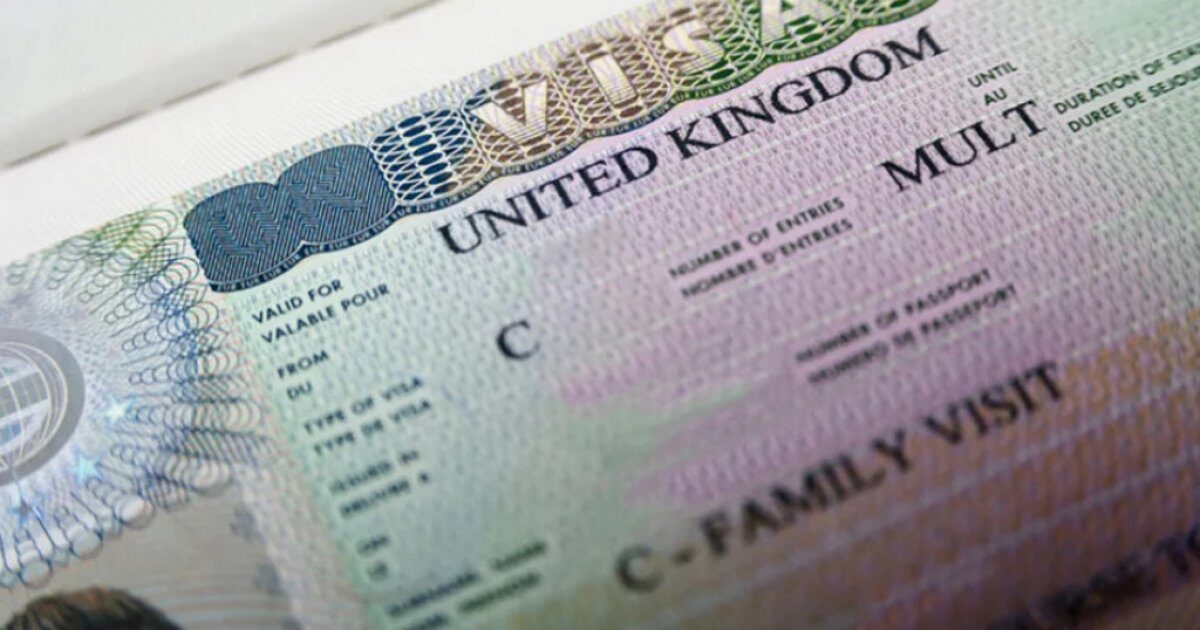
Reform UK has suggested a visa ban on nations seeking slavery reparations, prompting widespread criticism from Caribbean leaders and international organizations.
The UK-based populist party Reform UK has sparked significant controversy following its announcement of a proposal to refuse visas to citizens from countries supporting reparations for transatlantic slavery. This initiative has elicited strong responses from Caribbean leaders and international organizations.
The party, under the leadership of Nigel Farage, announced its intention to “block visa requests from any country that demands slavery reparations,” specifically addressing nations such as Ghana and Jamaica, both of which are members of the Commonwealth and have historical ties as former territories of the British Empire.
On Tuesday, Reform UK made a policy announcement that highlights its increasing political influence. Despite holding just eight seats in the UK Parliament, the party is currently leading in several opinion polls as the next general election approaches, anticipated by 2029.
The party’s stance was elaborated upon by its policy chief for home affairs, Zia Yusuf, who characterized the calls for reparations as “insulting,” contending that they overlook Britain’s historical contribution to the abolition of slavery and its efforts to enforce its prohibition worldwide. His comments illustrate a wider debate among certain Western policymakers regarding whether contemporary governments should bear responsibility for past injustices.
Nonetheless, the proposal faced swift criticism from the Caribbean Community (CARICOM), a group that has been leading the charge for reparations. The Reparations Commission, led by Hilary Beckles, characterized the policy as a “legacy of toxic racism” and called on Reform UK to reassess its position.
During a news conference, Beckles condemned the proposal as “tragic” and punitive, asserting that it unjustly targets nations pursuing reparations for centuries of exploitation. He stated, “Punishing the victims again is in fact consistent with those individuals at the time of emancipation who did not wish to see the African people freed,” highlighting the profound historical grievance associated with the reparations discussion.
He further contended that the persistent economic disparities and racial inequalities in formerly colonized nations are direct outcomes of slavery and colonialism, asserting that the call for reparations is grounded in justice rather than opportunism.
International support for reparations efforts has resurfaced, sparking the debate. The African Union, CARICOM, and various Latin American nations have heightened their demands for compensation, formal apologies, and the restitution of stolen cultural artifacts. Not only do these demands present moral obligations, but they also serve as essential actions to address the structural inequalities that persist today.
Even with this increasing momentum, resistance persists firmly among Western governments. UK Prime Minister Keir Starmer has previously minimized the issue, expressing a preference to “look forward” instead of participating in what he referred to as “endless discussions about reparations for the past.”
The matter has also garnered attention on a global scale. In the previous month, the United Nations passed a resolution put forth by Ghana, designating transatlantic slavery as the “gravest crime against humanity” and urging for reparations. Significantly, former colonial powers, such as the United Kingdom, chose to abstain from the vote, highlighting ongoing divisions regarding the matter.
Reform UK has not provided any additional comments in response to the backlash. Nonetheless, its proposal has sparked a vigorous discussion regarding immigration policy, historical accountability, and the degree to which former colonial powers ought to confront the lasting impact of slavery.