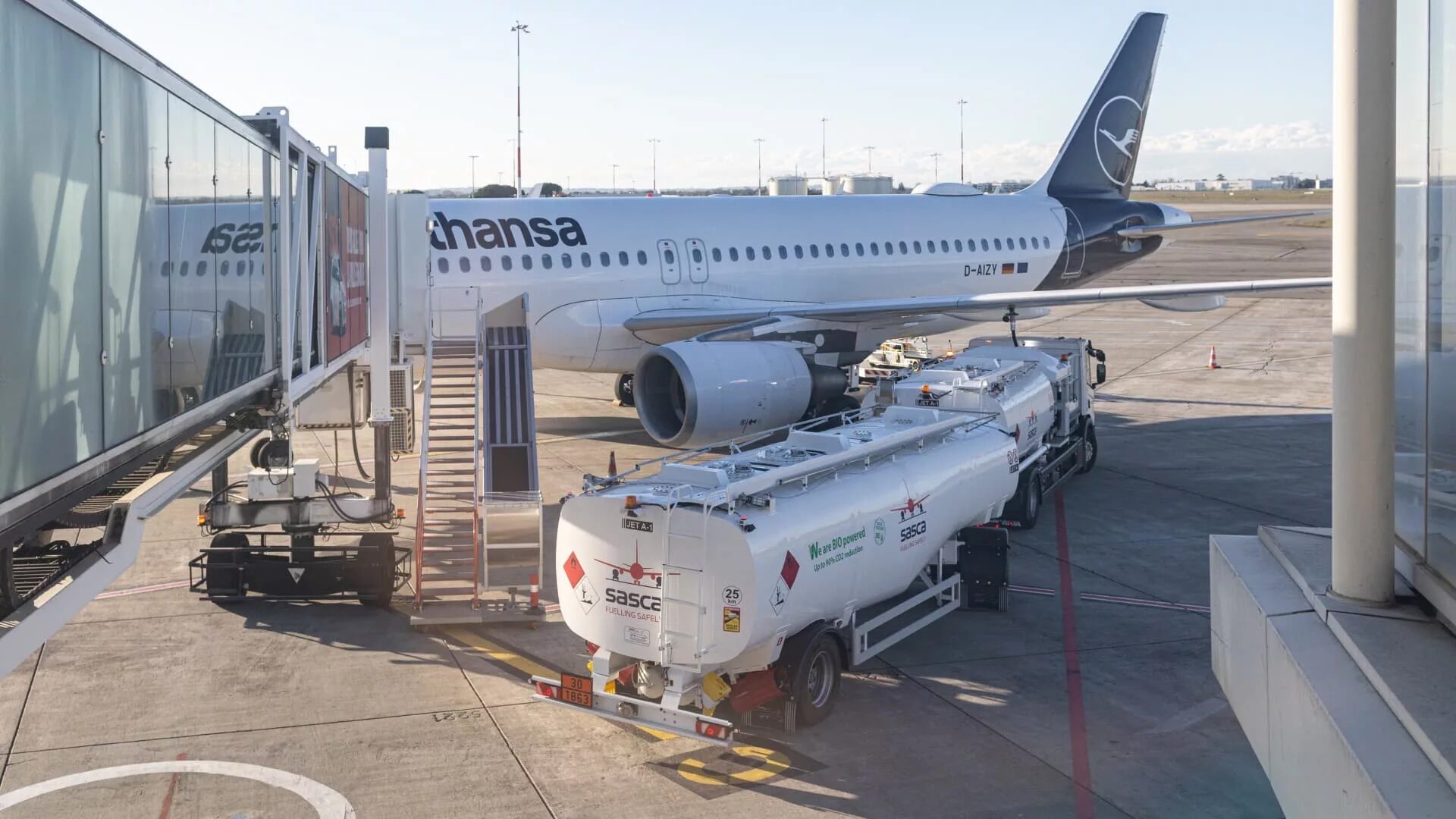
IATA cautions that the recovery of jet fuel supply will take several months following the reopening of Hormuz due to ongoing refinery disruptions that are maintaining high aviation fuel costs worldwide.
Willie Walsh, the director-general of the International Air Transport Association, has cautioned that it will take months for the global jet fuel supply to stabilize, even if Iran reopens the Strait of Hormuz, due to considerable disruptions in refining capacity throughout the Middle East.
During a press conference in Singapore on April 8, Walsh stated that although the reopening of the vital oil transit route might alleviate crude supply pressures, the downstream effects on refined products, especially aviation fuel, would continue for a prolonged duration.
His remarks came after a significant decline in oil prices, with crude falling by as much as 16 percent to below $100 per barrel following Donald Trump’s announcement of a tentative two-week ceasefire agreement with Iran. The agreement, however, depends on the prompt and secure reopening of the Strait of Hormuz, a crucial waterway that facilitates the transport of approximately one-fifth of the world’s oil supply.
Even with the possible reduction in crude flows, Walsh highlighted that the harm already inflicted on refining infrastructure in the Middle East would persist in limiting jet fuel availability.
“Should it reopen and stay open, I believe it will require several months to return to the necessary supply levels,” he stated. “The shortage results from the disruption to refining capacity in the Middle East, which is essential not only for jet fuel but also for other refined products.”
The current conflict has compelled airlines, especially in Asia, to implement expensive contingency measures. Airlines are reducing the number of flights, transporting extra fuel from departure airports, and implementing refueling stops to cope with the restricted supply. The aviation industry is facing heightened operational pressures due to a doubling of jet fuel prices, prompting these adjustments.
The pressure is particularly intense in lower-income, import-reliant markets like Vietnam, Myanmar, and Pakistan. The impact on these countries has been significant following the suspension of jet fuel exports by major suppliers such as China and Thailand, alongside South Korea’s decision to limit its shipments to 2025 levels.
Walsh observed that a return of crude oil flows might encourage major suppliers such as China and South Korea to resume exports of refined products, which would assist in alleviating supply constraints. Nonetheless, he warned that recovery would not happen right away.
“There is refining capacity available once we get crude flowing, but it will take time,” he stated, noting that elevated crack spreads, an indicator of refining margins, could encourage refineries to increase jet fuel production gradually.
Airline executives voiced similar concerns, warning that supply shortages and high prices are likely to persist long after any ceasefire.
During the same IATA event, Nasaruddin Bakar, the chief executive of Malaysia Aviation Group, remarked that the stabilization of fuel prices might require “many, many more months” even if hostilities come to an end.
In a similar vein, Thai Airways International CEO Chai Eamsiri characterized the ongoing crisis as the most severe oil shock he has encountered in his nearly 40-year career, linking its intensity to extensive infrastructure damage.
“This is the most disappointing one,” he remarked. “This time, we are concentrating on the destroyed infrastructure.” Restoring supply, facilities, refineries, and the overall system will require time.
The impacts are already evident throughout the global aviation industry. AirAsia X, based in Malaysia, has raised fares by up to 40 percent and implemented increased fuel surcharges to counteract rising expenses.
In the United States, United Airlines has decreased capacity by approximately 5 percent, while Air New Zealand has made further cuts to flights and raised fares to manage ongoing high oil prices.