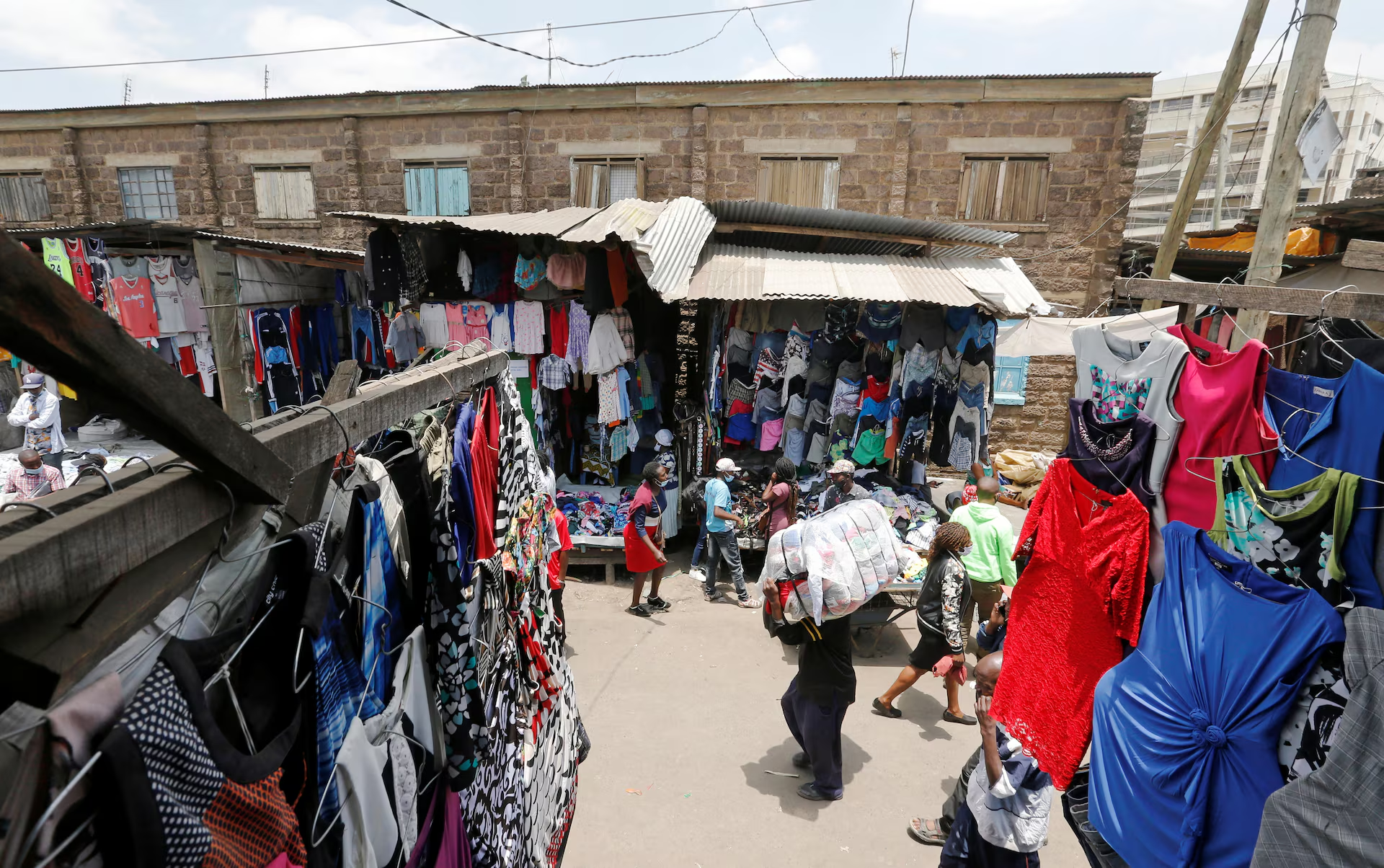
Kenya’s private sector activity saw a contraction in March for the first time since August, influenced in part by the ongoing conflict in the Middle East, which has disrupted supply chains and reduced consumer confidence. The survey released on Tuesday indicated that only the wholesale and retail sectors managed to experience growth.
The Stanbic Bank Kenya Purchasing Managers’ Index declined to 47.7 in March, down from 50.4 in February, according to the survey results. Values exceeding 50.0 suggest an expansion in business activity, whereas those falling below indicate a decline. This marks the first occasion since August 2025 that the index has fallen below 50.
“According to Stanbic Bank’s comments accompanying the survey, the slowdown in private sector activity was largely driven by demand, with numerous firms citing limited customer spending, decreased cash flow, and tighter household budgets. Additionally, the conflict in the Middle East has led to more cautious spending behaviors among certain firms, along with logistical challenges affecting customer deliveries and increased costs for fuel and transportation.”
On March 30, President William Ruto stated that the government was evaluating the war’s effects on prices and that steps were being implemented to guarantee that Kenya maintains adequate supplies.
The Stanbic Kenya survey indicated that the only sector to witness expansion in March was wholesale and retail. “Output and new orders declined in most sectors, suggesting that businesses anticipate being hindered by the disruptions stemming from geopolitical tensions,” stated Stanbic Bank Economist Christopher Legilisho.
The finance ministry projects that the economy experienced a growth of 5.0% in 2025 and is expected to expand by 5.3% this year, an increase from 4.7% in 2024.