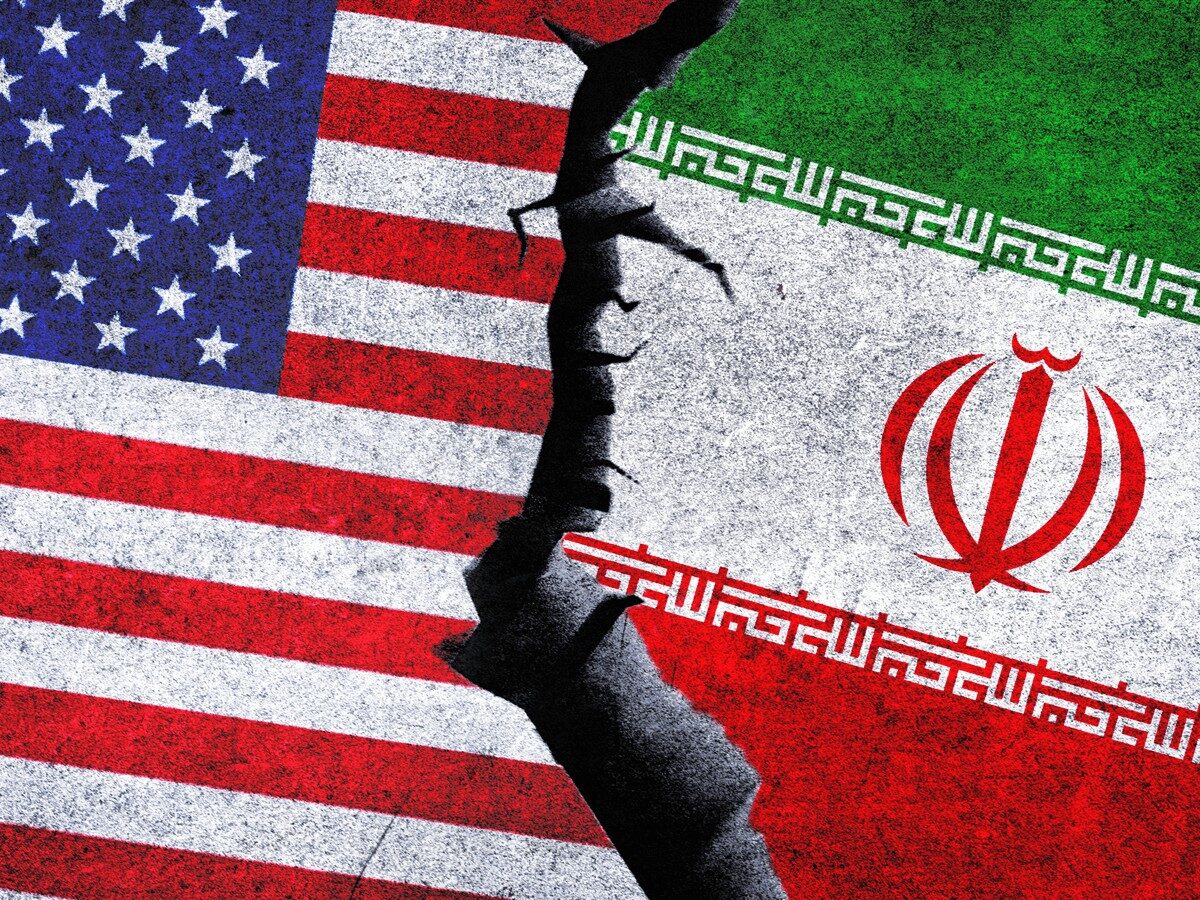
Iran dismisses the reopening of Hormuz in ceasefire discussions, viewing it as a US ultimatum, while regional strikes and increasing casualties escalate tensions further.
A framework has been presented to the United States and Iran, intended to bring an end to the current hostilities. However, initial indications of disagreement have emerged, especially regarding the reopening of the Strait of Hormuz, which is a vital global energy passage.
A source familiar with the proposal indicates that the plan presents a two-tier approach, which includes an immediate ceasefire and a comprehensive agreement to be finalized within 15 to 20 days. Iran has, however, dismissed the idea of reopening the Strait as a component of any temporary truce.
A senior Iranian official informed Reuters on Monday that Tehran would not reopen the waterway as part of a ceasefire arrangement and would not yield to external pressures regarding timelines. “Iran will not reopen the Strait as part of a temporary ceasefire,” the official stated, adding that “Iran will not accept deadlines while it reviews the proposal,” and also asserting that “Washington is not prepared for a permanent ceasefire.”
Diplomatic engagements have intensified behind the scenes, with Pakistan’s army chief, Field Marshal Asim Munir, reportedly in constant communication “all night long” with U.S. Vice President JD Vance, Special Envoy Steve Witkoff, and Iranian Foreign Minister Abbas Araqchi.
Axios previously reported that the United States, Iran, and regional mediators were considering a possible 45-day ceasefire as part of a phased agreement that might ultimately result in a lasting resolution of the conflict.
At the same time, U.S. President Donald Trump has presented a clear ultimatum to Tehran. In a forceful statement on his Truth Social platform, Trump cautioned of escalated military measures should Iran fail to comply with the terms and reopen the Strait by a specified deadline. He subsequently clarified the timeline, stating, “Tuesday, 8:00 P.M. Eastern Time! (Wednesday 0000 GMT).”
The conflict is intensifying, as new aerial strikes have been reported throughout the region on Monday, over five weeks since US and Israeli forces initiated ongoing attacks on Iran. The conflict has resulted in the loss of thousands of lives and has caused significant disruptions in global markets, especially reflected in the increasing prices of oil.
In response, Iran has successfully closed the Strait of Hormuz—through which approximately one-fifth of the global oil and gas supply flows—and has initiated strikes aimed at Israel, US military bases, and energy facilities in the Gulf.
Anwar Gargash, adviser to the UAE president, emphasized the necessity of protecting maritime access, asserting that any agreement must guarantee passage through the Strait. He warned that neglecting to tackle Iran’s nuclear ambitions along with its missile and drone programs might lead to “a more dangerous, more volatile Middle East.”
The recent Iranian strikes on petrochemical facilities and an Israeli-linked vessel in Kuwait, Bahrain, and the United Arab Emirates underscore Tehran’s ongoing military capabilities, despite former President Trump’s assertions that these capacities had been neutralized.
Iranian state media reported the death of Majid Khademi, who was the head of the Revolutionary Guards’ intelligence organization. Reports indicate that earlier strikes by US and Israeli forces have resulted in the elimination of several high-ranking Iranian officials, including Supreme Leader Ayatollah Ali Khamenei, who has now been succeeded by his son, Mojtaba.
Rescue teams in Israel have retrieved two bodies from the debris of a residential building in Haifa that was hit by an Iranian missile on Sunday, as reported by local media.
The humanitarian impact keeps escalating. According to the US-based rights group HRANA, around 3,540 individuals have lost their lives in Iran since the onset of the conflict, with at least 244 of those being children.
The violence has extended into neighboring Lebanon, where Israeli forces have ramped up operations against Iran-backed Hezbollah militants, including strikes in Beirut—signifying one of the most serious regional escalations associated with the wider US-Israeli campaign against Iran.