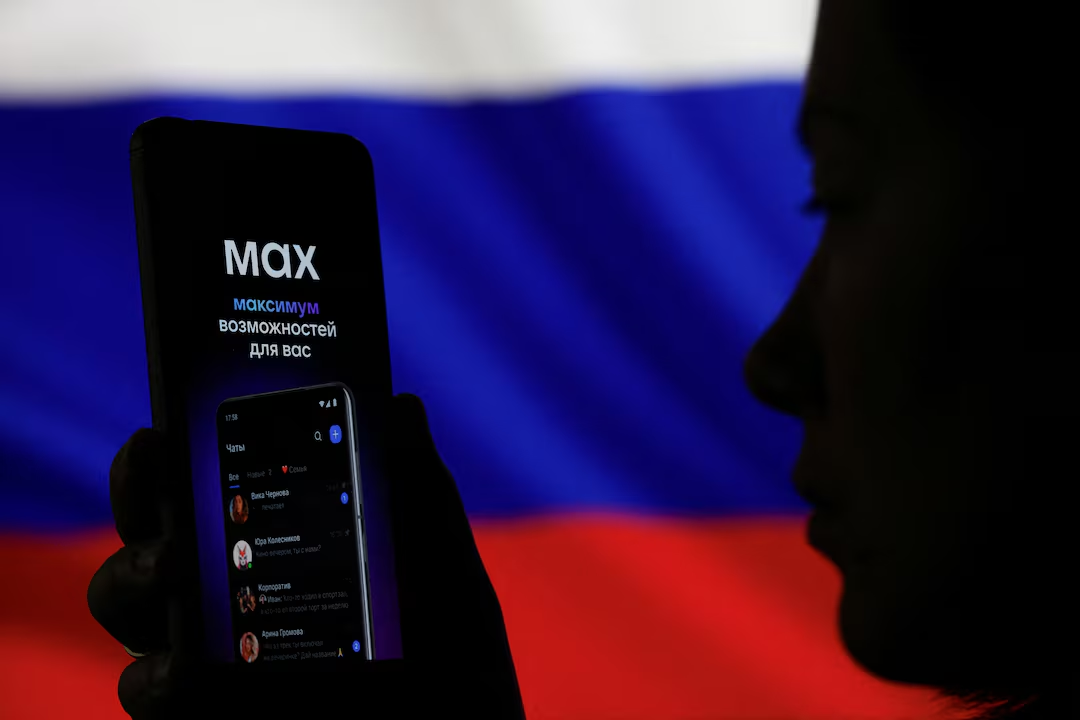
Many Russians prefer alternatives like Telegram or WhatsApp to the Kremlin-backed MAX program because they fear surveillance.
Citing concerns about privacy and a lack of trust, some Russians are resisting demands to use the state-sponsored texting app.
The Russian government is stepping up its attempts to encourage people to use MAX, a state-sponsored messaging service, but some individuals are skeptical of the initiative and are quietly opposing it.
Authorities have frequently interfered with mobile internet access while limiting or jamming popular messaging apps and virtual private networks in what diplomats have called a broad crackdown on digital communications. These actions have been accompanied by a vigorous marketing campaign for MAX, a “national messenger” operated by a business linked to friends of President Vladimir Putin.
The campaign has caused some users to worry about state surveillance and privacy. Saxophonist Irina Matveeva, who is based in Moscow, described the situation as aggravating and said she installed the app out of necessity to interact with her students but avoids using it whenever possible.
Others voiced similar worries, citing the difficulty of switching between platforms and sporadic access to services like WhatsApp and Telegram. Although some users claim to have adopted MAX, many are still hesitant to give up on well-known apps.
Russian officials argue that a local texting service is essential for national security due to hostile intelligence services hacking foreign platforms. They claim that MAX is a component of a larger initiative to create an internet infrastructure that is “sovereign.”
Opposition activists, however, claim that security agencies have access to user information on the site and that cutting-edge technologies, like artificial intelligence, might be used to track public opinion and protest.
Some users say they felt under pressure to use the app. One woman claimed that even though she doesn’t plan to use the government services portal frequently, she had to download MAX to obtain verification numbers.
Resistance endures in spite of the government’s efforts. Mandating the widespread use of a still-developing platform, according to analysts, runs the risk of eroding public confidence, especially in a nation with a long tradition of subtly opposing censorship.
Convenience, necessity, and worries over digital freedom continue to influence many Russians’ decision to use MAX, as they weigh the benefits of access to information against the potential risks of government surveillance and control.