China and Pakistan have put forward a five-point plan aimed at reducing tensions and fostering stability in the Gulf and Middle East.
China and Pakistan have collaboratively introduced a five-point initiative designed to reduce tensions and promote stability in the Gulf and the broader Middle East region.
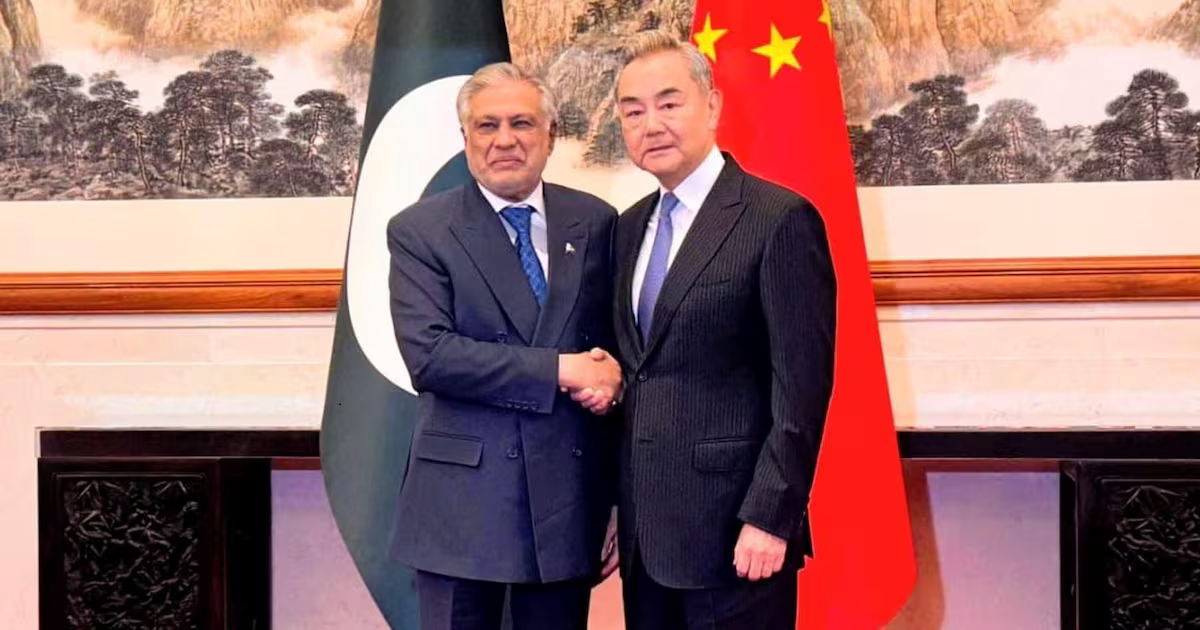
The proposal came after a significant meeting in Beijing involving China’s Foreign Minister, Wang Yi, and Pakistan’s Deputy Prime Minister and Foreign Minister, Mohammad Ishaq Dar. During this meeting, both parties voiced their concerns regarding the worsening security situation and emphasized the need for immediate international intervention.
The initiative centers on a demand for an immediate end to hostilities, urging all involved parties to stop current conflicts and ensure unrestricted humanitarian access to those impacted.
The two nations also called for the immediate initiation of peace discussions, emphasizing that dialogue and diplomacy are the sole enduring means to address conflicts, while reiterating their commitment to respecting sovereignty and territorial integrity, including that of Iran.
The proposal highlights the importance of safeguarding civilians and non-military infrastructure, urging strict compliance with international humanitarian law and a cessation of assaults on essential facilities, including energy and nuclear installations.
China and Pakistan emphasized the importance of securing essential maritime routes, especially the Strait of Hormuz, calling on all parties to guarantee safe passage for vessels and to reinstate normal shipping operations.
Ultimately, both nations emphasized the significance of the United Nations Charter, advocating for enhanced multilateral cooperation and a thorough peace framework rooted in international law.
The collaborative effort signifies a revitalized diplomatic endeavor by Beijing and Islamabad to engage more proactively in stabilizing one of the globe’s most unstable areas in light of escalating geopolitical tensions.