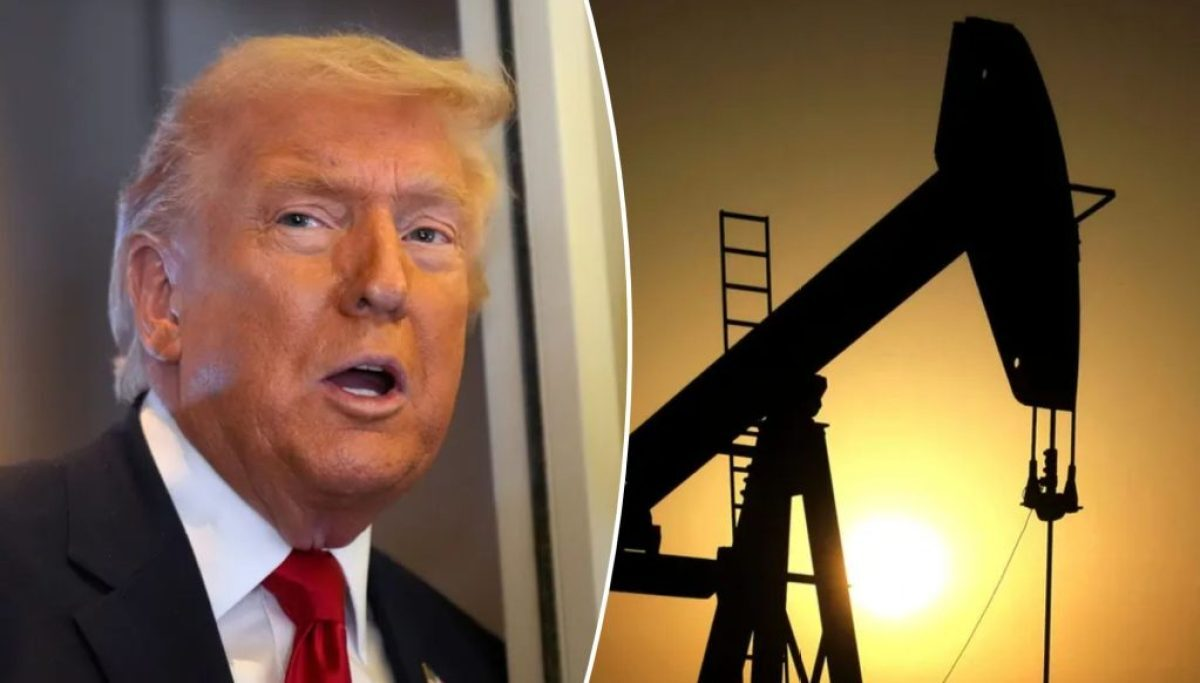
Oil prices surge while markets decline as Donald Trump intensifies threats towards Iran, heightening concerns about potential disruptions in the Strait of Hormuz.
Global oil prices experienced a significant increase following President Donald Trump’s warning that the United States would take strong action against Iran in the upcoming weeks, heightening tensions and unsettling already vulnerable global markets.
In the hours after his primetime address from the White House, Brent crude rose by 5% to $106 a barrel, indicating increasing concerns that the الأزمة could further hinder supplies through the Strait of Hormuz, a vital route for global energy trade.
The waterway, which carries approximately 20% of the global oil supply, has been effectively obstructed by Iran, causing significant disruptions in energy markets and driving prices considerably higher than pre-conflict levels.
Trump’s address, instead of soothing markets, seemed to amplify uncertainty. He proposed that US military operations might come to an end shortly, yet he also delivered serious cautions about potential escalation.
“We will strike them with tremendous intensity over the next two to three weeks,” Trump stated. “We will return them to the Stone Ages where they truly belong.”
The president characterized the crisis as a collective obligation, urging US allies to “summon the courage” to safeguard the Strait of Hormuz, contending that Washington is no longer heavily reliant on oil from the Middle East.
He emphasized that nations dependent on the route ought to spearhead its reopening, indicating a change in the US stance despite continued military engagement.
Although asserting that Iran had already suffered considerable military setbacks, Trump reiterated his calls for Tehran to engage in negotiations with the United States, yet he did not specify any particular terms for such discussions.
He reiterated threats to focus on Iran’s energy infrastructure, cautioning that a lack of agreement might lead to US strikes on Iranian power plants.
The reply from Tehran came quickly. Iran’s foreign ministry dismissed Trump’s previous claim that it had requested a ceasefire, labeling the assertion as “false and baseless,” which further intensifies the diplomatic standoff.
Financial markets in Asia experienced a negative reaction, given that numerous economies rely significantly on oil imports from the Middle East. Stocks fell as investors considered the likelihood of extended disruptions to energy supplies and increasing geopolitical risks.
Analysts observed that Trump’s speech primarily restated earlier positions but did not tackle significant uncertainties, such as how the US plans to secure the Strait, whether allies will intervene, and what circumstances could prompt de-escalation.
Markets are on edge due to the lack of clarity, as traders are increasingly factoring in the risk of ongoing supply constraints and wider regional instability.