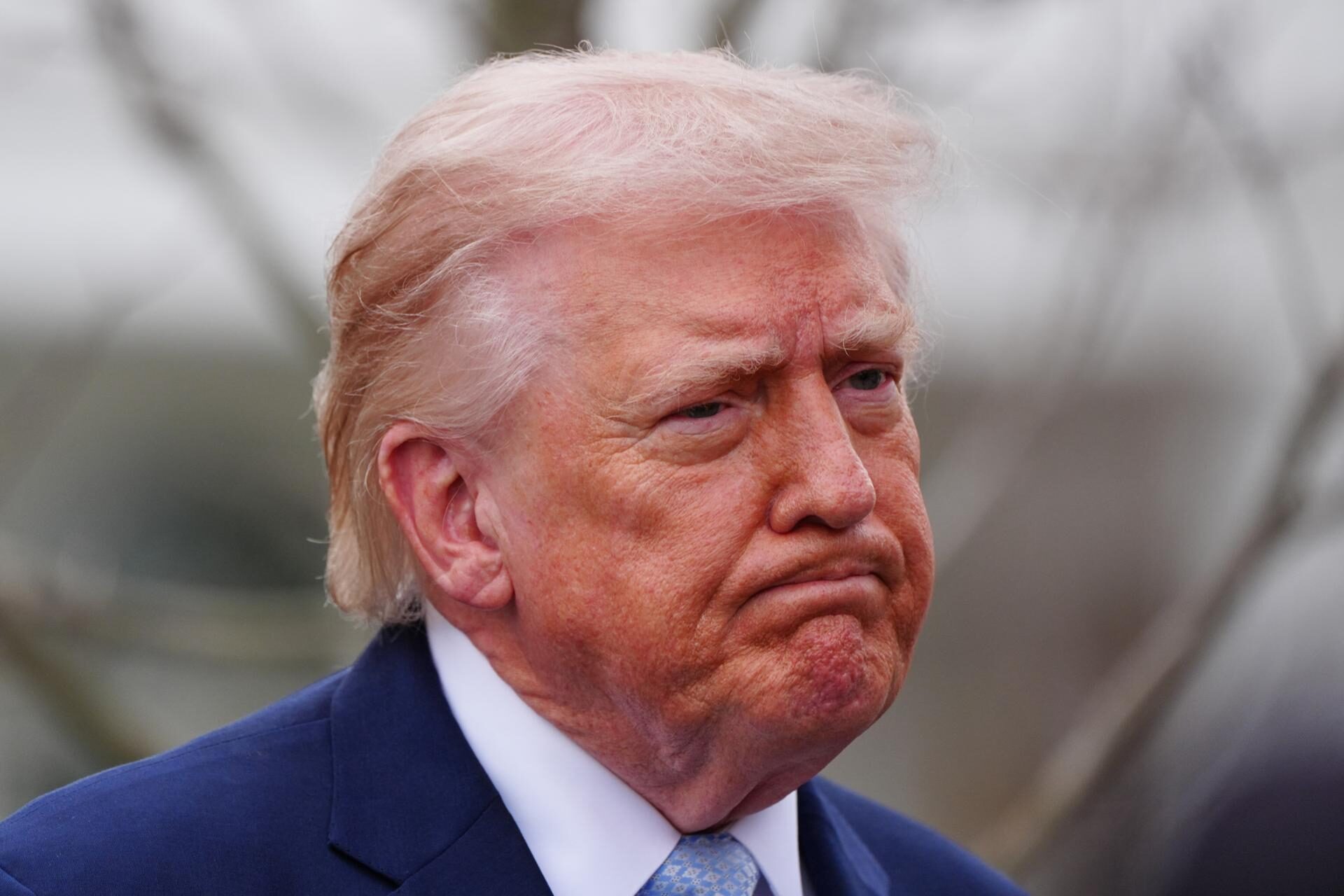
Trump’s approval rate dropped to its lowest level since he took office. This decline was caused by higher gas prices and dislike of the conflict in Iran.
An Ipsos poll released on Monday found that President Donald Trump’s overall approval rate has dropped to its lowest level since he took office. This drop is because of rising gas prices and the ongoing conflict between the US and Israel with Iran, which are both affecting public opinion.
The study shows that voters are becoming more worried about the economy, and higher gas prices are one of the main reasons for their anxiety. According to the American Automobile Association (AAA), the national average price of gas has gone up by about one dollar in the last month, bringing it to almost $4 per gallon. This has made it harder for people to afford to buy gas.
Americans polled said that the rise in fuel prices is directly affecting their daily spending. This adds to their long-standing worries about inflation and the rising cost of living. Analysts say that Trump’s approval ratings have stayed low because of “pocketbook issues” ever since he took office again, particularly as rising fuel prices and inflation have become significant concerns for many Americans.
The study also says that the ongoing conflict in the Middle East between the US, Israel, and Iran is starting to change how people see Trump’s economic management, particularly by increasing concerns about national security and its impact on domestic economic stability.
Approval of foreign policy has also gone down, but the poll didn’t find a matching rise in support for Democrats.
Democrats want to take back control of Congress from Republicans in the 2026 midterm elections, but new polls indicate that changing approval rates have not yet translated into a clear political advantage.
As a result of spending more on transportation and energy, low-income households are likely to be hit the hardest if fuel costs stay high, particularly as these households often allocate a larger portion of their income to these essential expenses compared to higher-income households.