Trump Claims Iran is ‘Desperate’ for a Deal as Tehran Refutes Negotiations Amid Intensifying Conflict
Trump asserts that Iran is pursuing a deal, countering Tehran’s position, as the conflict exacerbates the global energy crisis and raises humanitarian issues around the world.
US President Donald Trump has asserted that Iran is keen to reach an agreement to conclude nearly four weeks of intense conflict, directly opposing remarks from Iran’s chief diplomat, Abbas Araqchi, who maintains that no negotiations are in progress.
The differing accounts highlight significant uncertainty regarding diplomatic initiatives as the war’s economic and humanitarian impacts spread worldwide.
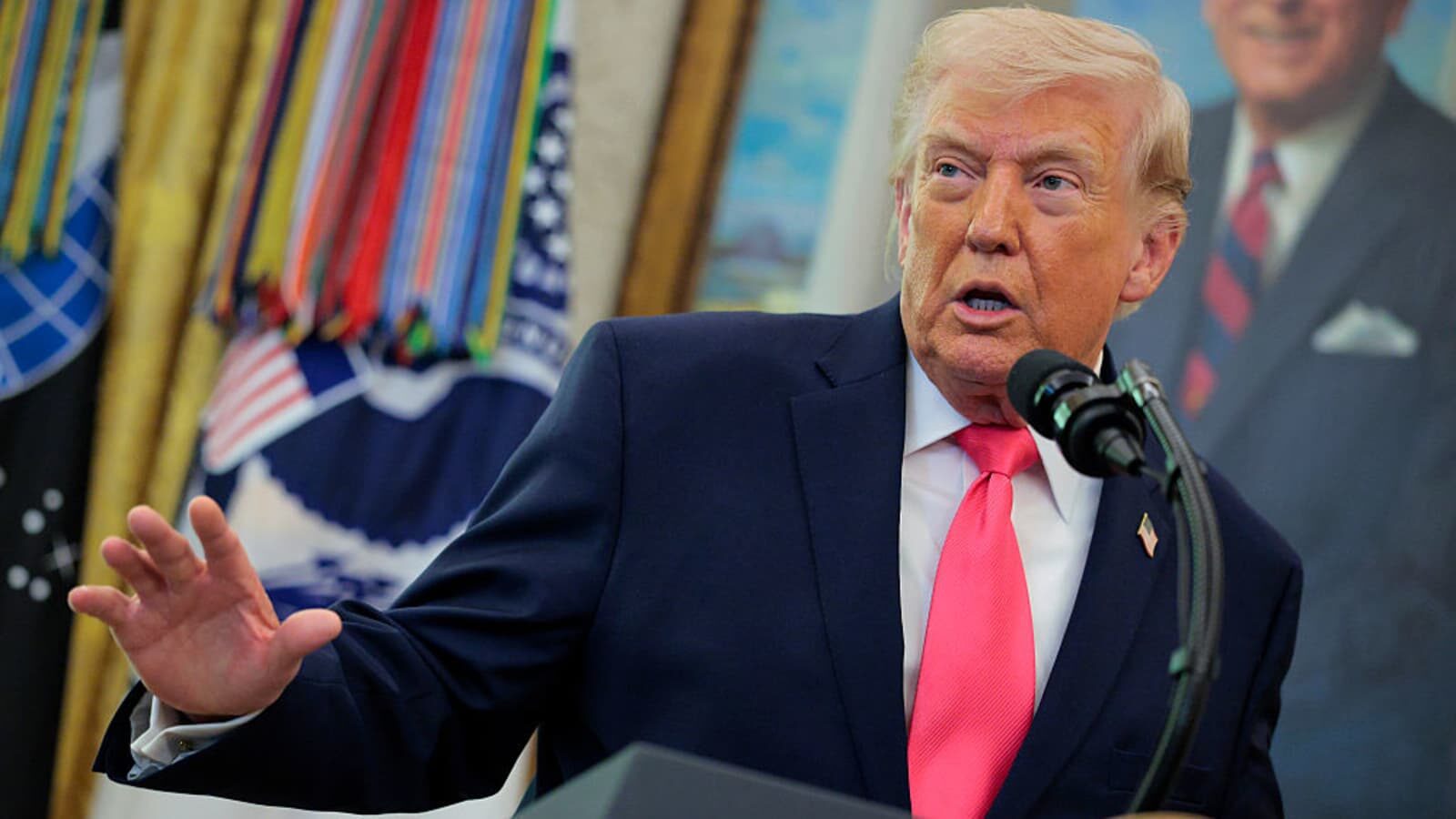
On Wednesday in Washington, Trump remarked that Iranian leaders were discreetly pursuing a resolution.
“They are currently in negotiations and have a strong desire to reach an agreement, yet they hesitate to express this due to fears of backlash from their own community.” “They’re also fearful that we might kill them,” he stated.
Nonetheless, Araqchi dismissed the assertion, emphasizing that although indirect communications have occurred via intermediary nations, no official discussions have been conducted.
“The communication of messages from our friendly nations, along with our responses that outline our positions or issue necessary warnings, does not constitute negotiation or dialogue,” he stated in an interview with state television.
The disagreement regarding diplomacy arises as the repercussions of the conflict escalate on a global scale. The closure of the Strait of Hormuz—a crucial passage for about a fifth of the globe’s oil and gas—has led to what analysts are calling the most severe energy shock ever recorded.
Industries across the globe, including airlines and food retailers, are facing rising costs, supply chain challenges, and declining demand. Governments are currently evaluating emergency support measures similar to those implemented during the COVID-19 pandemic.
The humanitarian impact is increasingly severe. The World Food Programme cautions that tens of millions may encounter acute hunger if the conflict extends into the upcoming months, as farmers and fishers grapple with significant diesel shortages.
In the midst of the crisis, a 15-point proposal from the US intended to resolve the war has allegedly been transmitted to Tehran via Pakistan. The strategy encompasses the reopening of the Strait of Hormuz, limiting Iran’s nuclear and missile initiatives, and reducing financial support to regional partners.
Although the White House has not revealed specifics, Israeli officials continue to express doubt that Tehran will agree to the terms and are cautious about the possibility of Washington making concessions. Israel is also advocating for the preservation of its right to carry out pre-emptive strikes within any agreement.
Diplomatic efforts seem to be aligning towards Pakistan as a possible location for discussions, although Iranian officials indicate that no agreements have been finalized.
The conflict has already transformed Iran’s leadership. Supreme Leader Ali Khamenei was killed in an Israeli strike at the beginning of hostilities, and his son, Mojtaba Khamenei, has reportedly been wounded and has not made a public appearance since.
In the meantime, military operations persist without interruption. The United States and Israel have initiated extensive strikes throughout Iran, with U.S. Central Command chief Brad Cooper reporting that over 10,000 targets have been struck, leading to a significant reduction in Iran’s military capabilities.
On Thursday, missile and drone exchanges continued across the Gulf, with Israel reporting new Iranian launches after yet another series of strikes.
Financial markets, which initially surged on optimism for a ceasefire, have once again become volatile. Oil prices continued to rise as optimism diminished.
A recent Ipsos poll indicates that domestic pressure is mounting on Trump, as 61% of Americans are against US military strikes in Iran.
The Pentagon is considering further escalation, with plans to deploy more airborne troops to the Gulf, which could broaden US military options.
Amid escalating tensions, Antonio Guterres delivered a grave warning regarding the potential for a broader regional conflict.
“The world is facing the imminent threat of a broader conflict,” he stated.
“Now is the moment to cease ascending the escalation ladder – and begin ascending the diplomatic ladder.”