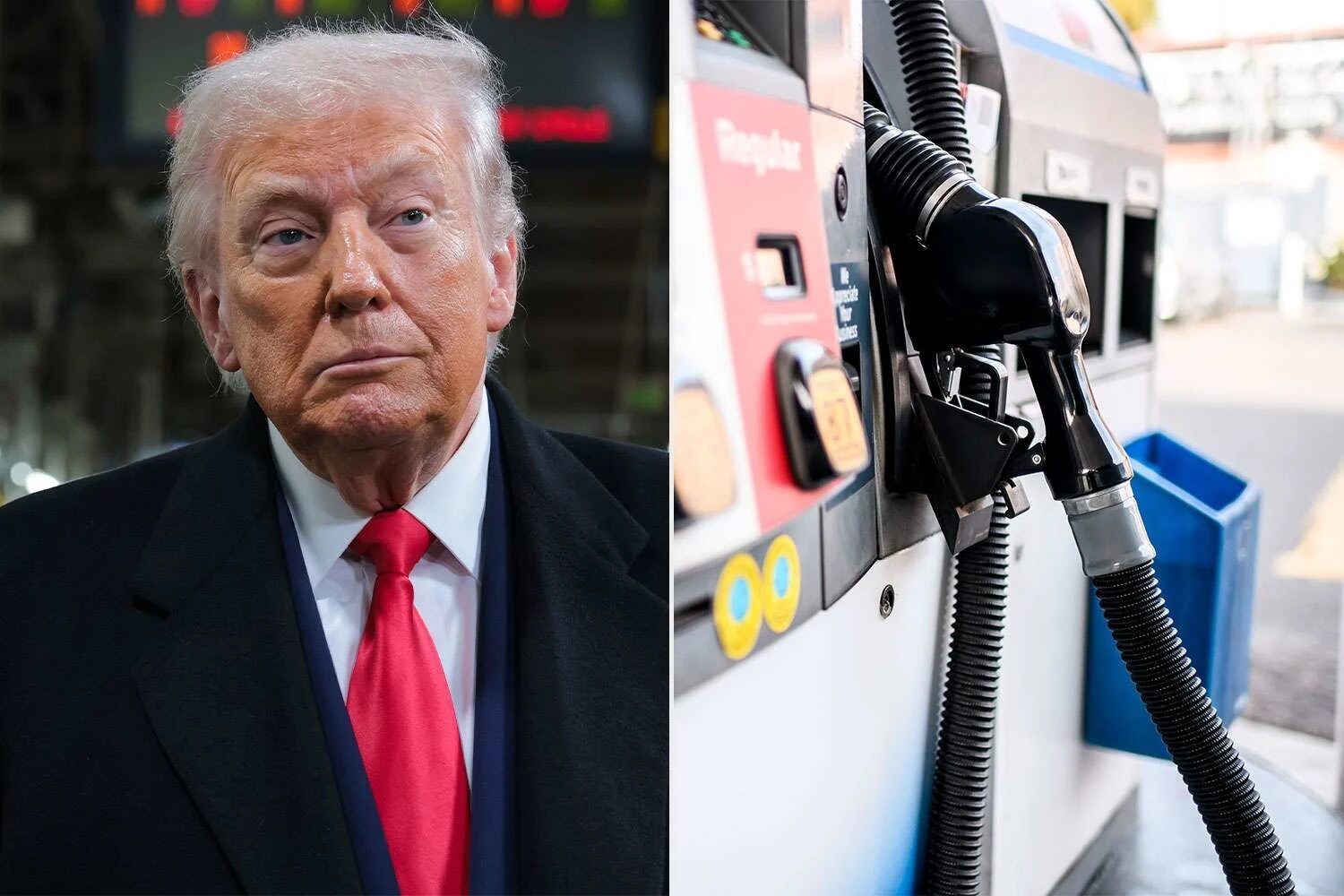
Trump takes steps to ease summer gasoline restrictions to lower fuel prices as the conflict in Iran pushes global energy costs higher.
Sources familiar with the discussions indicate that the administration of Donald Trump may announce a temporary suspension of federal smog-cutting restrictions on summer-blend gasoline as soon as Wednesday. This move is part of efforts to alleviate rising energy prices associated with the ongoing conflict in Iran.
The action would enable refiners and fuel retailers to avoid the shift to pricier summer gasoline blends, which are usually required in warmer months to mitigate air pollution. The measure would allow for the ongoing sale of gasoline with 15% ethanol, referred to as E15, during the summer driving season, a time when stricter environmental regulations typically restrict its availability in many parts of the United States.
Experts indicate that the modification may reduce retail fuel prices by a few cents per gallon, providing relief to consumers and alleviating pressure on refiners facing challenging supply conditions. Data from AAA indicates that the average price of a gallon of regular gasoline in the United States has recently surpassed $3.97, reflecting a significant rise from prices below $3 earlier this year.
In accordance with standard regulations set by the United States Environmental Protection Agency, the U.S. transitions to summer gasoline blends aimed at minimizing emissions. These blends exhibit reduced volatility, aiding in the limitation of evaporation and the reduction of smog formation in warmer conditions.
The increase in oil and gasoline prices has been influenced partly by supply disruptions related to tensions with Iran, leading US crude oil prices to rise above $100 per barrel for the first time since the shock of the 2022 Russia-Ukraine war.
The EPA stated that it has been actively supporting domestic energy production while diligently monitoring fuel supply in collaboration with industry stakeholders and federal partners.
The expected policy change is a component of a larger effort by the White House to manage the economic and political repercussions of increasing energy prices as the busy summer travel season draws near.