Trump Finalizes $1bn Agreement With TotalEnergies To Cancel US Offshore Wind Initiatives
The US has reached a $1 billion refund agreement with TotalEnergies to relinquish offshore wind leases, furthering the commitment to fossil fuels and provoking significant backlash.
The Trump administration is set to pay $1 billion to a French energy company to relinquish two offshore wind leases in the United States, representing a significant intensification of its efforts against renewable energy initiatives.
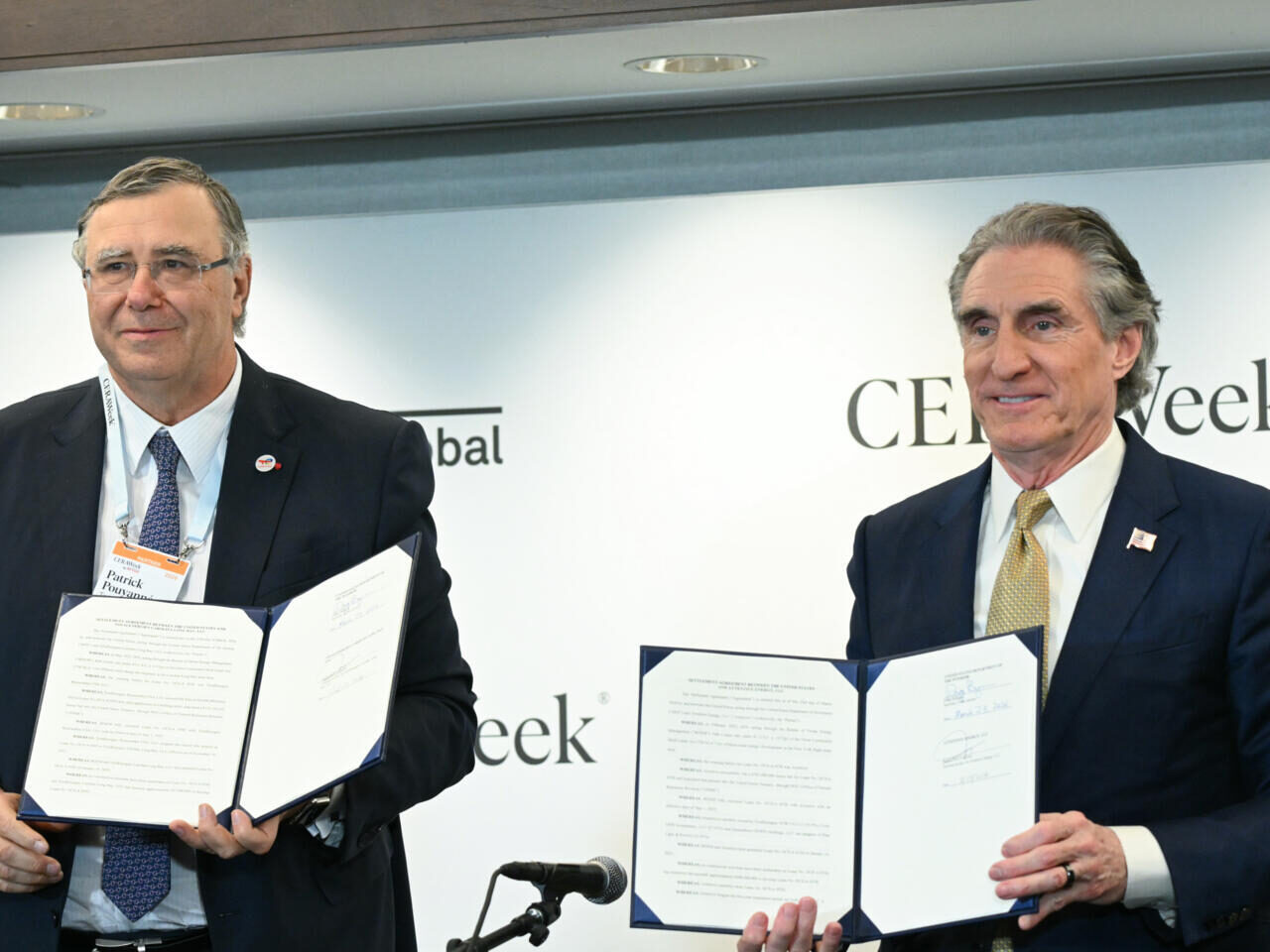
On Monday, the Department of Interior announced that TotalEnergies had reached an agreement described by officials as a refund arrangement for wind projects proposed off the coasts of North Carolina and New York. The company plans to allocate the funds towards investments in fossil fuels.
The administration has made several attempts to stop offshore wind construction; however, federal judges have consistently overturned those directives. Officials characterized the agreement as a groundbreaking development, stating that “the American people will no longer finance ideological subsidies that served only the unreliable and expensive offshore wind industry.”
Environmental groups expressed strong disapproval of the arrangement, depicting it as a tactic to hinder the growth of clean energy initiatives. Lena Moffitt, executive director of Evergreen Action, stated, “After repeatedly losing in court over his illegal stop work orders, Trump has discovered another method to hinder offshore wind: offering them money to withdraw.”
During his second term, President Donald Trump has focused on the development of fossil fuels, contending that increasing oil and gas production will reduce household energy expenses, enhance reliability, and bolster US leadership in artificial intelligence.
TotalEnergies had previously halted its offshore wind initiatives in the US following Trump’s election victory. The company has committed to refraining from pursuing new offshore wind projects in the country. Chief executive Patrick Pouyanné announced that the company has opted out of development in return for the reimbursement of lease fees, stating, “considering that the development of offshore wind projects is not in the country’s interest.”
Pouyanné stated that the refunded funds would aid in the construction of a liquefied natural gas plant in Texas and the expansion of oil and gas operations, characterizing it as a “more efficient use of capital” in the US. Under the arrangement, reimbursement will be limited to the value of the original lease purchases once those investments are finalized.
Interior Secretary Doug Burgum expressed his approval of the company’s transition, stating, “We welcome TotalEnergies’ commitment to developing projects that produce dependable, affordable power to lower Americans’ monthly bills.”
Governors from the Democratic Party in the impacted states expressed strong disapproval of the agreement. New York Governor Kathy Hochul stated that Trump was “using a pay not to play scheme” to exert pressure on the company, labeling it “an outrageous abuse of taxpayer dollars.” She upheld the state’s dedication to a comprehensive strategy that encompasses both renewable energy sources and nuclear power.
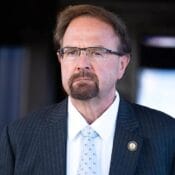
North Carolina Governor Josh Stein expressed his disapproval of the agreement, calling it “a terrible deal for the people of North Carolina and our country.” He added, “Our state possesses the offshore wind potential to supply renewable energy made in America to millions of homes. It is absurd and inefficient for the Trump administration to allocate $1 billion in taxpayer funds to compensate a company for halting its investment of private capital in the clean energy solutions we require.
The change in policy represents a significant break from the Biden administration’s approach, which had positioned offshore wind as a crucial solution for climate issues. On his first day in office, Trump initiated a reversal of those energy policies by issuing executive orders that favored the expansion of oil, gas, and coal.
Offshore wind capacity is experiencing significant growth worldwide, with China at the forefront of new installations. In the face of federal opposition, developers and states have effectively contested construction suspensions in court, enabling numerous East Coast projects to move forward.
On Monday, Dominion Energy revealed that Coastal Virginia Offshore Wind, one of the initiatives prioritized by the administration, has commenced supplying electricity to the grid.
Ted Kelly, the clean energy director at the Environmental Defense Fund, expressed strong disapproval of the proposed settlement, describing it as “an outrageous misuse of taxpayer dollars to prevent Americans from having clean, affordable power exactly when they need it most.”
TotalEnergies acquired the Carolina Long Bay lease in 2022 for approximately $133 million, intending to produce over 1 gigawatt of power, sufficient to supply around 300,000 homes. A second lease for waters off New York and New Jersey was acquired that same year for $795 million, with an anticipated capacity of 3 gigawatts, enough to supply power to nearly one million homes. The company continues to engage in significant offshore wind projects throughout Europe and Asia.