China Reduces Fuel Price Increases Amidst Oil Shock and Supply Concerns Triggered by Iran Conflict
China has decided to postpone its planned fuel price increase following an energy surge driven by conflict, which has led to shortages and raised broader economic concerns throughout Asia.
China has reduced its planned fuel price increases to “ease the burden” on drivers, amid rising global energy costs due to escalating tensions related to Iran.
Since the onset of the conflict, domestic petrol prices have increased by approximately 20%, coinciding with Iran’s effective closure of one of the globe’s most active oil shipping routes, the Strait of Hormuz.
Authorities initially established the price increases for gasoline and diesel at 2,205 yuan (£239; $320) and 2,120 yuan per tonne, respectively. Following government intervention, the increases were nearly reduced by half to 1,160 yuan and 1,115 yuan, effective from Tuesday.
Over 300 million drivers in China depend on petrol or diesel vehicles, with Gulf countries representing a substantial portion of the nation’s crude oil imports.
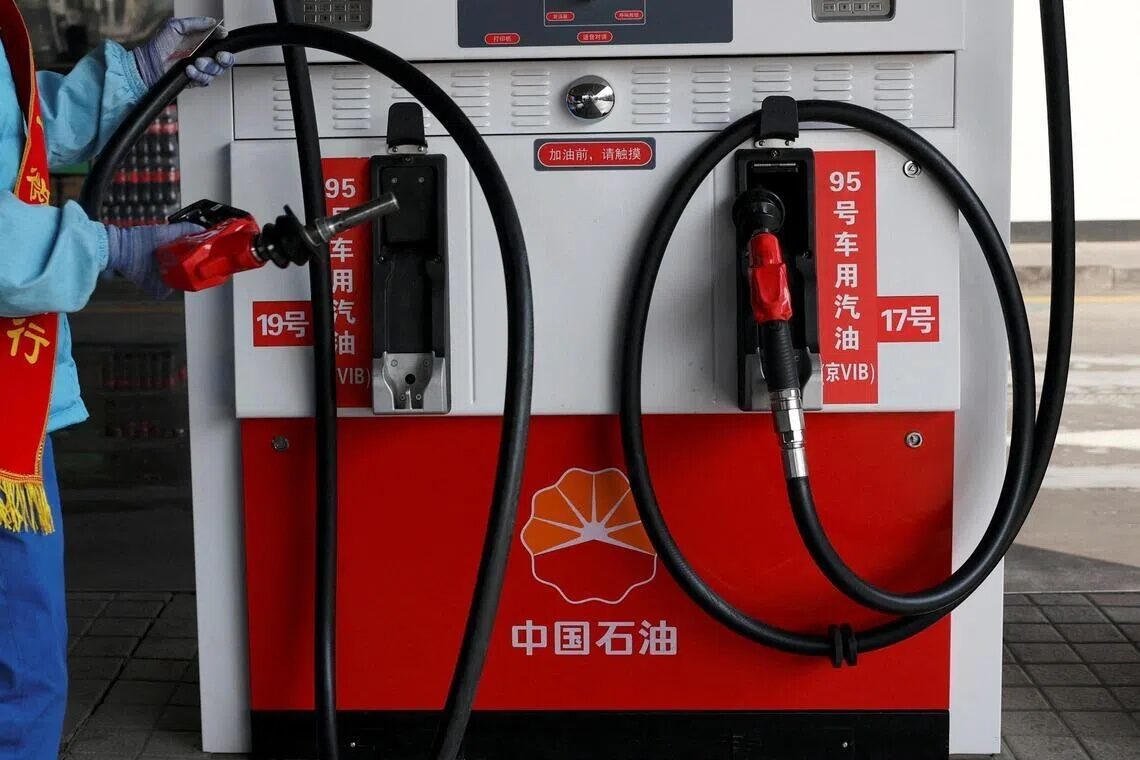
During the weekend, extensive lines appeared at petrol stations across various major cities, with some locations displaying signs that they had exhausted their fuel supply. Even with the adjustment, the most recent increase stands as the fifth and most significant price rise in the country this year.
Global oil markets have experienced volatility, as Brent crude prices surged past $100 per barrel on Tuesday, following a significant drop the previous day amid mixed signals regarding potential US-Iran discussions.
Analysts observe that Beijing has developed significant strategic oil reserves over the years by taking advantage of lower global prices and plentiful supply from Gulf producers. Ole Hansen, the head of commodity strategy at Saxo Bank, informed the BBC last week that China has amassed one of the largest stockpiles globally.
Data from China’s customs administration indicated that crude purchases in January and February increased by 16% compared to the same period last year. Iran, facing US sanctions on its oil exports, continues to be a significant provider of discounted supply, with reports indicating that China purchases over 80% of Iran’s shipments.
According to estimates referenced by Hansen, China’s reserves are approximately 900 million barrels, which is nearly equivalent to three months of imports. According to figures from Columbia University, as reported by Chinese state media, petrol stockpiles are estimated to be around 1.4 billion barrels.
Even with these buffers in place, authorities have approached the management of short-term supply pressures with caution. Reports suggest that Beijing has directed refineries to temporarily halt fuel exports in order to stabilize domestic prices, though officials did not respond to BBC inquiries regarding this assertion.
The US Energy Information Administration reports that crude shipments from Saudi Arabia and Iran each represent over 10% of China’s imports.
“To address the effects of unusual spikes in international oil prices, alleviate the pressure on downstream users, and maintain stable economic operations and public welfare, temporary regulatory measures have been implemented,” stated China’s state planner in a statement on Monday.
The National Development and Reform Commission oversees fuel price adjustments, reviewing petrol and diesel rates every 10 days in accordance with global crude trends.
Throughout Asia, authorities are implementing urgent strategies to mitigate the effects of escalating energy expenses. In the Philippines, civil servants are now required to work a four-day week, while Sri Lanka has designated Wednesdays as public holidays to save on fuel. Officials in Thailand and Vietnam have promoted remote work arrangements.
Thai officials have suspended overseas travel, recommended that workers wear short-sleeve shirts, and encouraged the use of stairs instead of lifts to reduce electricity consumption.
On Monday, Sri Lanka’s private bus sector faced significant disruption as operators initiated strike action, calling for fare adjustments to counterbalance rising fuel costs. In the Philippines, over 20 transport groups have declared a two-day strike scheduled for March 26 to 27.
Japan and South Korea have faced significant exposure to supply disruptions associated with the Strait of Hormuz. Last week, Japan’s average retail petrol price reached an unprecedented level, climbing to 191 yen (£0.90; $1.20) per liter on Monday, marking an 18% increase over the week, as reported by the country’s economy ministry.
On Tuesday, South Korean President Lee Jae-myung announced that public institutions would reduce their use of passenger vehicles. His office also confirmed that he had canceled plans to attend an international forum in China to “lead the emergency economic response directly and make swift decisions at this juncture.”