The Pentagon is requesting $200 billion for funding related to the Iran war, while lawmakers are raising questions about the strategy, costs, and the need for accountability prior to granting approval.
The US Department of Defense is requesting an extra $200 billion in funding for the Iran war, creating a significant political confrontation with Congress regarding spending, strategy, and oversight.
A senior administration official stated that the Pentagon has sent the request to the White House, but it is still uncertain if it has been officially presented to lawmakers for approval.
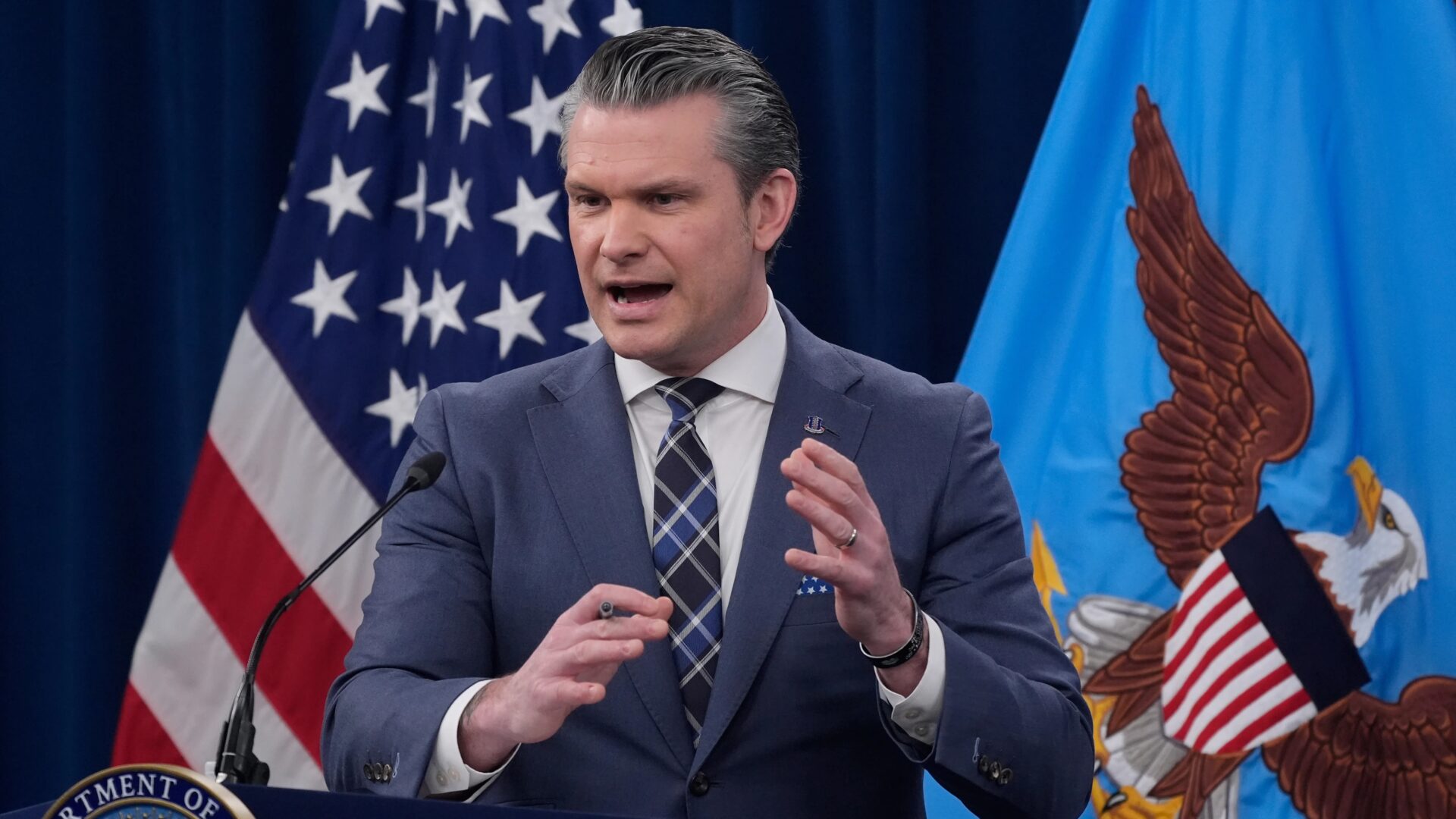
During a press conference on Thursday, Defense Secretary Pete Hegseth refrained from disclosing the specific amount but recognized that the administration would approach Congress to obtain funding.
“It requires financial resources to eliminate threats,” Hegseth stated, further noting, “We will be returning to Congress and our representatives to guarantee that we receive adequate funding.”
The suggested funding would be in addition to the billions already designated for the Defense Department through legislation supported by President Donald Trump, heightening concerns among lawmakers regarding escalating federal expenditures. The national debt of the United States has exceeded $39 trillion, leading to increased examination of any further expenditures.
Congress has yet to formally authorize the war, and concerns are mounting on Capitol Hill regarding the extent and aims of the military campaign. Although Republicans hold the majority in both chambers, internal divisions, especially among fiscal conservatives, may hinder the passage of the request for military funding, as some members are concerned about the implications of increasing the national debt further.
House Speaker Mike Johnson characterized the present moment as a “dangerous time,” emphasizing the importance of properly funding national defense, although he mentioned that he had not examined the specifics of the proposal.
At the same time, House Majority Leader Steve Scalise indicated that discussions with the White House remain in their initial phases, noting that lawmakers have not yet reached a consensus on a final amount.
Prominent Democrats have firmly opposed it. Representative Betty McCollum expressed her disapproval of the administration’s decision to initiate military operations without obtaining congressional approval and cautioned against the allocation of funds without clear justification.
“This will not serve as a mere endorsement for the president of the United States,” McCollum stated. “I will not be issuing blank checks to the Department of Defense.”
In a similar vein, Representative Rosa DeLauro characterized the proposed $200 billion as “outrageous,” highlighting the wider Democratic opposition and calls for comprehensive justification.
Republican Representative Ken Calvert, who leads an important defense spending subcommittee, expressed his backing for increased funding, especially to restore munitions stockpiles, while recognizing that the new conflict would raise expenses.
The proposal would greatly increase the Pentagon’s currently sanctioned annual budget of over $800 billion, in addition to approximately $150 billion designated in previous legislation. The Congressional Budget Office has forecasted a $1.9 trillion deficit for this year, adding to the complexities of the fiscal outlook.
President Trump justified the proposed spending, deeming it essential in a world that is becoming increasingly unstable.
“This is a highly unpredictable world,” he stated from the Oval Office, referring to the suggested emergency funding as a “minimal cost” to uphold military strength.
The proposal, which is expected to necessitate bipartisan support for the passage of any supplemental spending bill, lays the groundwork for a potentially contentious legislative battle that may alter both US military policy and fiscal priorities.