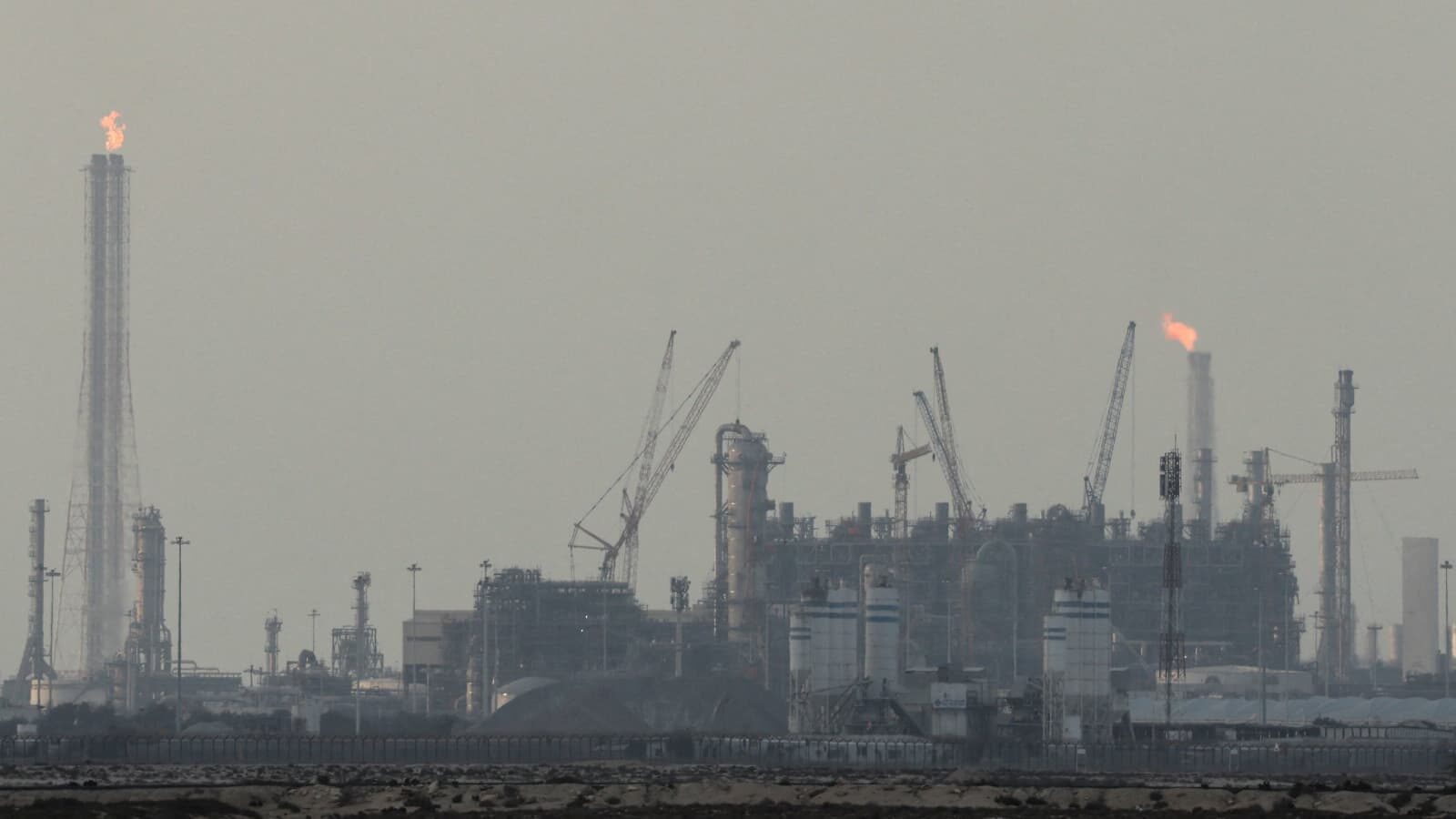
Iranian strikes impact Qatar’s LNG production, causing a global surge in gas prices and raising alarms as tensions rise throughout the Middle East.
Qatar has denounced Iranian strikes on its vital energy infrastructure as a “very dangerous escalation by the Iranians,” cautioning that the attacks have disturbed global energy markets and increased tensions throughout the Middle East.
The alert arises as gas prices rise significantly throughout the United Kingdom and Europe after the assault on the Ras Laffan energy complex, with increasing concerns about potential supply interruptions.
The situation has attracted global attention, as President Donald Trump of the United States engages in discussions with Japanese Prime Minister Sanae Takaichi at the White House regarding the developing crisis.
The United Kingdom, France, and Germany, among other European powers, have denounced Iran’s assaults on civilian infrastructure and called on Tehran to cease its threats to vessels in the Strait of Hormuz.
Previously, Trump cautioned Iran about additional strikes in Qatar, referring to what he called “extensive damage” to essential facilities. In response, Iran’s foreign minister stated that Tehran would respond with “zero restraint” if its infrastructure faced further attacks.
The extent of the damage is now becoming more apparent.
QatarEnergy reports that Iranian attacks have resulted in a 17% reduction of Qatar’s liquefied natural gas export capacity, leading to estimated annual losses of $20 billion, with disruptions anticipated to persist for up to five years.
Chief Executive Saad al Kaabi reported that two of Qatar’s 14 LNG trains and one of its gas-to-liquids facilities sustained damage in the strikes, resulting in a loss of 12.8 million tonnes per year of production.
“I never imagined that Qatar and the region would experience such an attack, particularly from a fellow Muslim country during the month of Ramadan, targeting us in this manner,” Kaabi stated.
He stated that the damage would compel the company to invoke force majeure on long-term supply contracts, impacting crucial markets in Europe and Asia.
“These are long-term contracts for which we must declare force majeure.” We have already made a declaration, but it was for a shorter duration. “Now it’s whatever the period is,” he stated.
The strikes are a continuation of a cycle of retaliation, initiated by Iran’s attacks on Gulf oil and gas facilities in response to Israeli strikes on its infrastructure.
Reports from Israeli media indicate that the Haifa oil refinery has sustained damage due to an Iranian missile strike, highlighting the escalation of the conflict.
Security analysts caution that the targeting of energy infrastructure represents a major turning point, raising concerns that the conflict could greatly disrupt global energy supplies and destabilize already fragile markets.