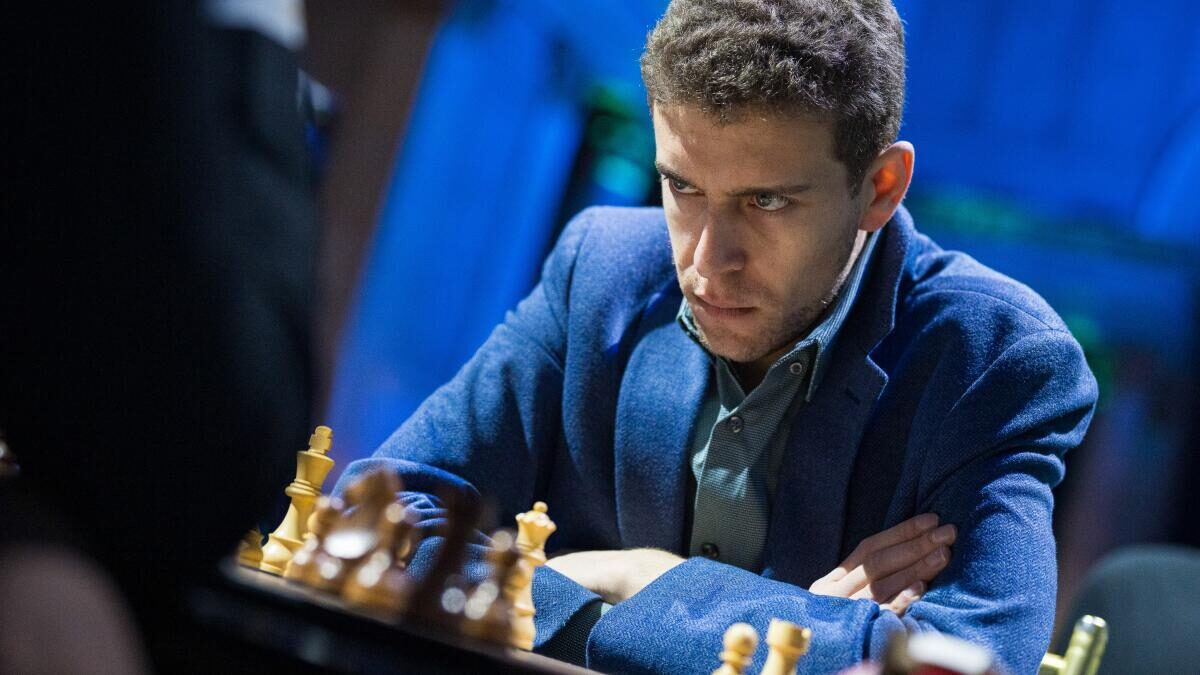
Drugs in the system killed American chess grandmaster Daniel Naroditsky, 29, according to a medical examiner.
According to the North Carolina Medical Examiner’s Office toxicology report, American chess grandmaster Daniel Naroditsky passed away from an irregular heartbeat brought on by an unintentional overdose.
In October, 29-year-old Naroditsky was discovered dead at his North Carolina home. Methamphetamine and kratom, an opioid-related chemical that is increasingly present in energy drinks, candies, and supplements, were among the narcotics identified in his system, according to the study.
Naroditsky was last known to be alive on October 18, according to investigators, when he accepted a food delivery. He missed a planned flight, and the next day he was found dead.
After observing strange behavior in his online activities, pals reportedly paid him a visit two days prior to his passing. A total of forty Adderall stimulant pills were taken out. Later, investigators discovered kratom bags inside the home.
A chess prodigy, Naroditsky became a grandmaster at the age of 18, which is the highest title in the game other than world chess champion. His livestreaming of his matches and his live commentary on others was widely hailed by other players as having contributed to the expansion of chess’s audience.
Thousands of people watched his online broadcasts on Twitch and YouTube, especially during the COVID-19 pandemic when high-speed competitive chess became very popular. Later, when players had greater access to sophisticated computer programs, there were several accusations of cheating to go along with that increase.
Former World Chess Champion Vladimir Kramnik accused Naroditsky of cheating; he refuted the accusations, which were never validated.
In his last webcast before passing away, Naroditsky expressed how much the accusations had affected him.
“I feel like if I start doing well, people assume the worst of intentions, ever after the Kramnik happened. The problem is only its aftereffects,” he stated.
In November, the International Chess Federation officially complained about Kramnik, accusing him of harassing and demeaning other players. The next month, Kramnik sued the federation for defamation after rejecting the inquiry, which he described as “insulting and fair.”
In a Tuesday post on X, Kramnik called Naroditsky’s passing a “immense tragedy” and said that “a cynical smear campaign was launched, unjustly linking me without any factual basis to Daniel’s untimely death thereafter.”
The situation worsened to “multiple direct murder threats directed at me, my wife, and my children, which compelled me to pursue legal action,” he said.
“I publicly urged Daniel’s friends to look after and seek urgent help for him on what tragically turned out to be the morning of his death, despite our existing tensions, after viewing portions of his last stream,” Kramnik continued. “Those efforts, unfortunately, were in vain.”