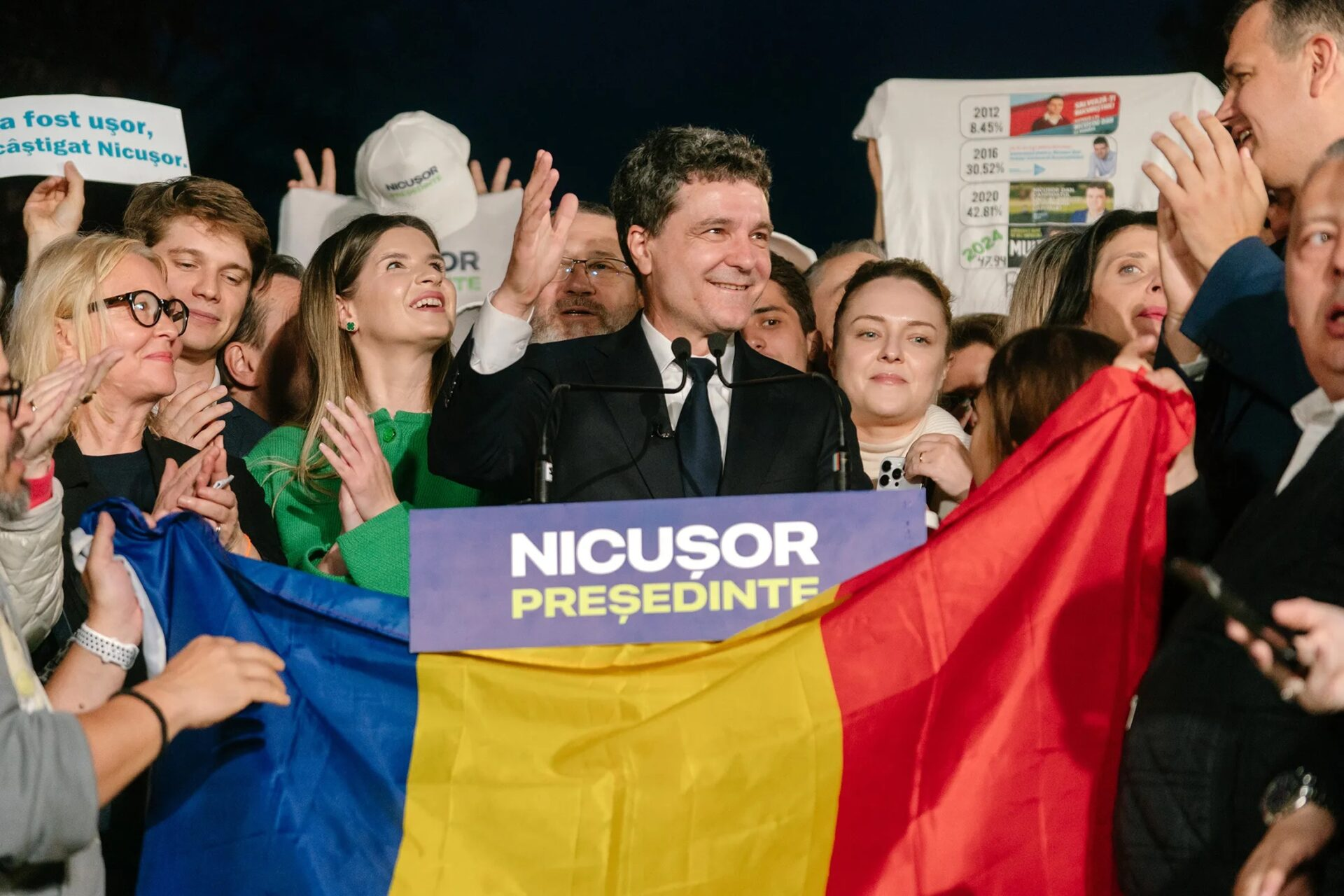
The Alliance for Uniting Romanians, a hard-right opposition party in Romania, is significantly outpacing the four parties of the pro-European coalition government in terms of popular support, according to an opinion poll released on Wednesday, despite the next election not being scheduled until 2028.
AUR, the second-largest party in the country, maintained a strong presence in surveys throughout 2025, even though its leader George Simion ultimately lost a presidential election re-run last May.
The party is against the extension of military aid to neighboring Ukraine, expresses criticism towards the leadership of the European Union, and shows support for the United States. Policies of President Donald Trump regarding energy and immigration. Romania holds membership in both the EU and NATO.
A recent survey carried out by pollster INSCOP revealed that 40.9% of Romanians would cast their votes for AUR, marking the highest level of support for a hard-right party in over thirty years.
The leftist Social Democrats (PSD), presently the largest party in parliament and part of the ruling coalition, secured a distant second place with 18.2%.
The Liberal Party, led by Prime Minister Ilie Bolojan, garnered 13.5% support. The remaining two governing parties, the centre-right Save Romania Union (USR) and the ethnic Hungarian party UDMR, received 11.7% and 4.9% in the polls, respectively.
The next general election in Romania is scheduled for 2028.
The survey took place between January 12 and 15, with a margin of error of 3.0%.
Last year, Romania conducted a repeat of its presidential election after the initial ballot was annulled in December 2024 due to concerns over Russian interference that appeared to support far-right frontrunner Calin Georgescu.
The cancellation of the vote has thrown the nation into its most severe political crisis in decades, revealing its significant susceptibility to hybrid attacks and disinformation, fracturing the electorate, destabilizing markets, and jeopardizing the country’s investment-grade rating.
The coalition government that assumed power following the subsequent election increased taxes and reduced certain state expenditures to address the largest budget deficit in the EU.
Although the measures have assisted Romania in maintaining its position at the lowest level of investment grade and have facilitated access to EU funds, with the budget deficit projected to decrease to approximately 6% of economic output this year from over 9% in 2024, they have also sparked protests and increased backing for the opposition.