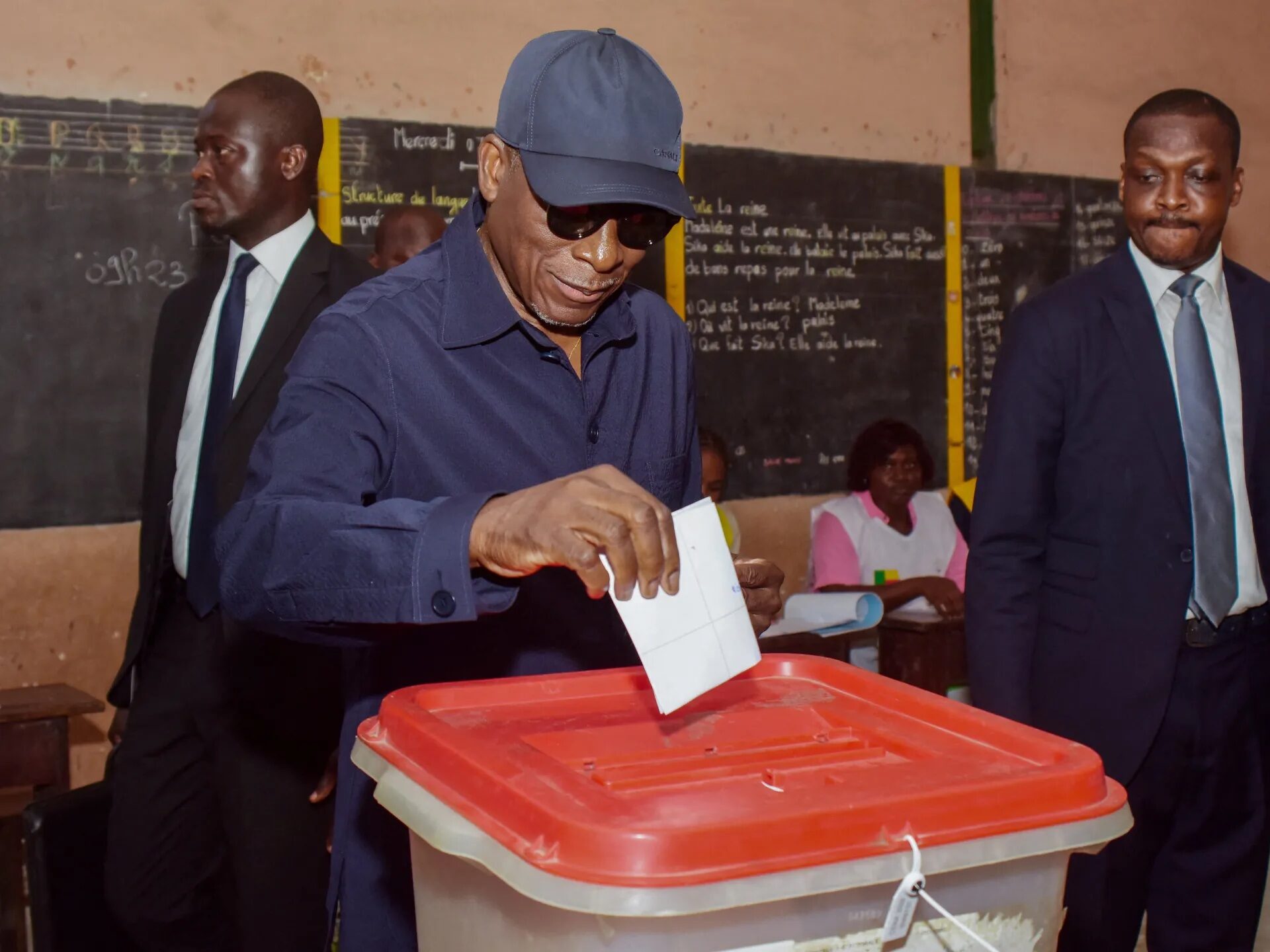
Provisional election results announced over the weekend show that two parties loyal to President Patrice Talon have taken control of the whole parliament, rendering the political opposition in Benin unable to obtain any seats.
The election on January 11 took place three months prior to the West African country’s presidential election, which will terminate Talon’s ten-year term, and little over a month after soldiers attempted to overthrow him in a failed coup attempt.
The Constitutional Court has yet to confirm the preliminary results, which show that the Progressive Union for Renewal would have 60 of 109 seats in the National Assembly after receiving 41.15% of the vote. With a vote share of 36.64%, the Republican Bloc will control 49 seats.
With 16.14% of the vote, the Democrats—the main opposition party associated with challenger and predecessor of President Patrice Talon, Thomas Boni Yayi—failed to reach the 20% mark needed for parliamentary representation. The 2024 electoral code amendments raised that requirement from 10%.
More than 20 seats were formerly held by the Democrats.
“The election result “deepens political isolation and diminishes institutional constraints on the presidency,” according to a note from Consultancy Signal Risk.
Democratic candidate Nadin Kokode stated last week that pro-Talon parties have taken all necessary steps to keep the opposition out of politics for the upcoming seven-year period.
He bemoaned electoral irregularities, such as polling places opening late, a dearth of voting supplies, and the exclusion of party supervisors from the vote-counting procedure.
Although there were a few small logistical issues during the poll, the electoral commission indicated that these were quickly resolved.
36.73% of voters cast ballots.