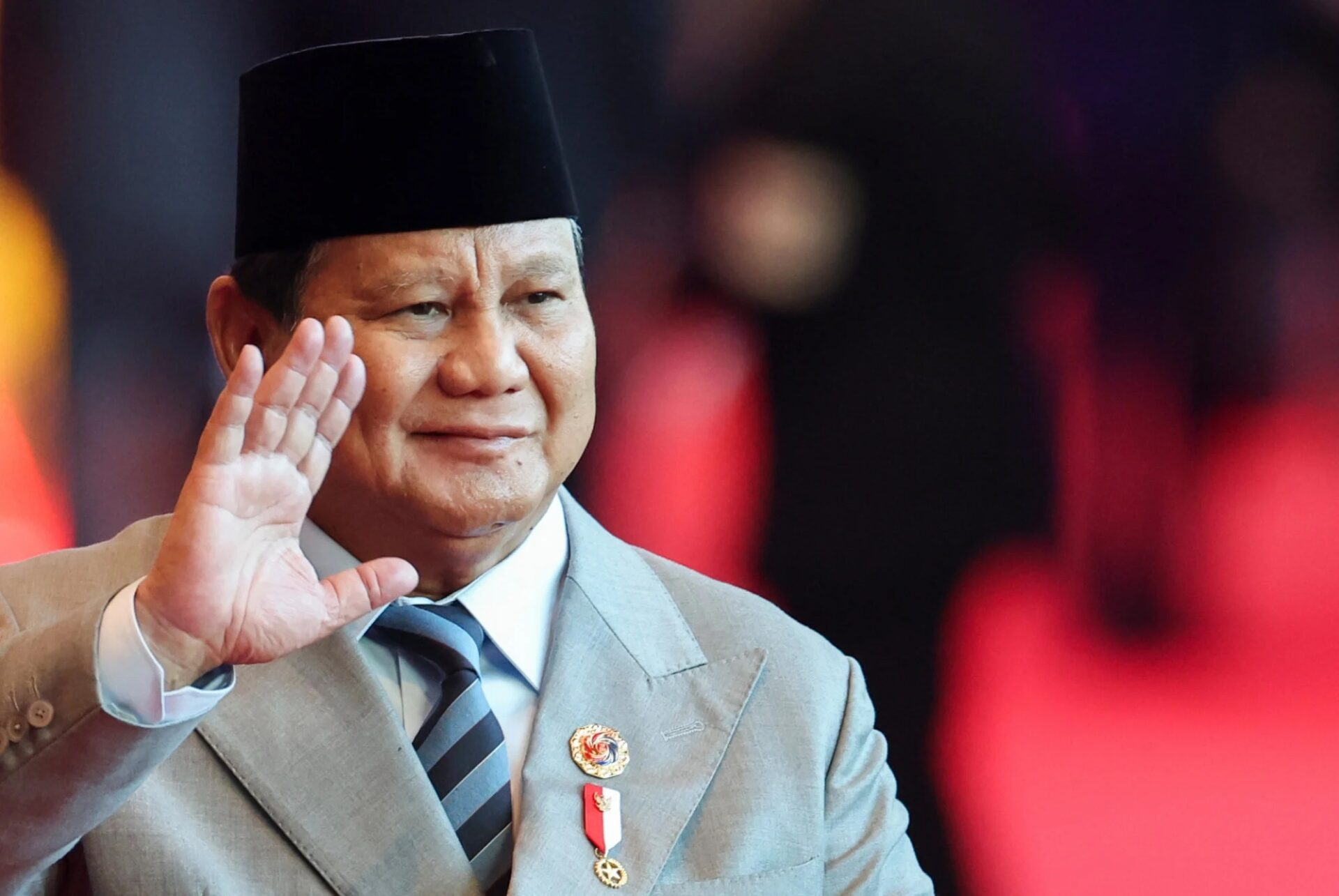
Prabowo Subianto, the president of Indonesia, has proposed his nephew to be a member of the board of governors of the central bank.
As the government sets aggressive goals for economic growth, worries about the independence of the central bank have grown since Indonesian President Prabowo Subianto appointed his nephew, Thomas Djiwandono, to serve on the board of governors of Bank Indonesia.
Djiwandono, a deputy finance minister at the moment, is anticipated to go through a parliamentary fit-and-proper test in the upcoming weeks, according to two people acquainted with the situation. If accepted, he will take Juda Agung’s seat on the board. Since they were not permitted to make public comments, the sources talked on condition of anonymity.
Investors are growing more cautious about possible political pressure on monetary policymaking in the biggest economy in Southeast Asia at the moment of the nomination. By 2029, President Prabowo wants the economy to grow by 8%, which is much faster than the present growth rate of roughly 5%.
After the central bank implemented a new burden-sharing agreement last year to assist in funding specific government initiatives, worries regarding Bank Indonesia’s independence grew. The distinction between monetary and fiscal policy may become hazy as a result of such actions, analysts have warned.
Previously, as a representative of the finance ministry, Djiwandono, a former businessman with an American education, took part in at least one Bank Indonesia monetary policy review. But at the time, he was not eligible to vote. Members of the central bank’s board have the ability to vote on important choices regarding interest rates and the overall course of monetary policy.
Requests for comment were not immediately answered by Djiwandono or Agung, and the chair of the parliamentary body that oversees senior nominations as well as the central bank’s spokesperson also declined to comment. The spokesperson for President Prabowo did not respond either.
Later this week, Bank Indonesia will convene its second monthly monetary policy meeting. A governor and a number of deputy governors make up the board, which is often composed of economists, former banking executives, or career central bankers who are chosen by the president with the consent of parliament.
The potential appointment was previously reported by local publication IDNFinancials, which stated that Djiwandono might start the position as early as February, pending parliamentary approval. Additionally, the news comes as the parliament continues to debate proposed legislation that would enhance the central bank’s role in promoting economic growth, so intensifying the argument over the proper balance between government power and independence.