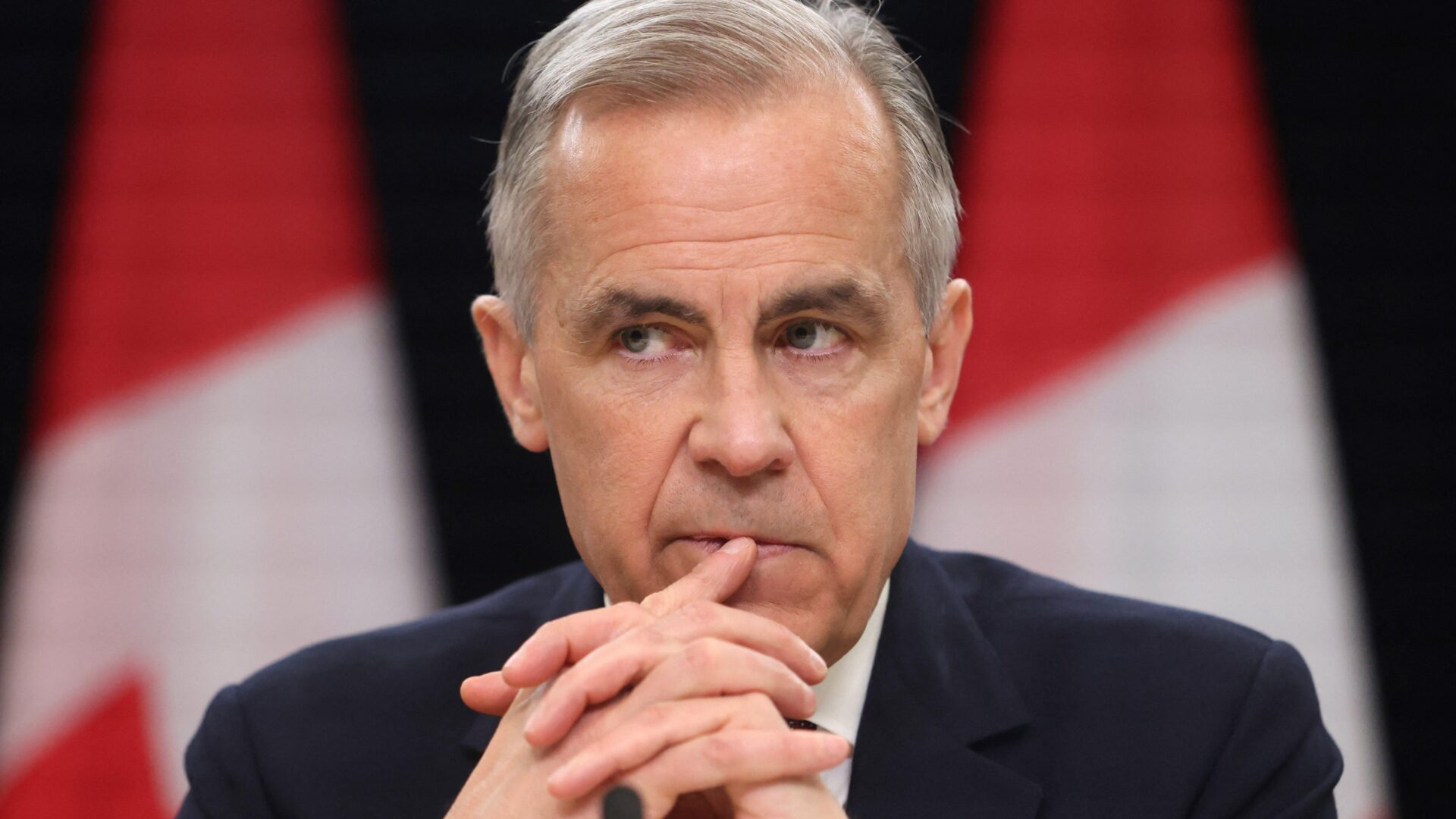
Mark Carney travels to China to explore trade diversification, while skillfully managing relationships with Beijing, Washington, and addressing domestic issues. Canadian Prime Minister Mark Carney is embarking on a significant trip to China.
Canadian Prime Minister Mark Carney is embarking on a significant trip to China, focused on mending the frayed relationship with Beijing and broadening economic prospects beyond the United States.
The journey occurs amid ongoing uncertainty regarding Canada’s trade relationship with the US, its primary export market. Ottawa is keen to diversify trade, but it must navigate this goal carefully to avoid provoking Washington, compromising national security, or undermining its commitment to human rights.
Senior officials characterize the visit as “consequential and historic,” representing the first trip to China by a Canadian prime minister since 2017. The government views this as an integral component of an ambitious plan to double non-US exports within the next ten years.
According to Carney’s office, discussions will be dominated by trade, agriculture, and international security. China’s foreign ministry states that the two nations have shared interests and should enhance cultural and interpersonal exchanges.
Carney is set to meet with Premier Li Qiang and Zhao Leji, the chairman of China’s top legislative body, on Thursday, and will have a one-on-one meeting with President Xi Jinping on Friday. The two leaders previously convened at an APEC summit held in South Korea.
The visit marks a significant advancement in restoring relations that deteriorated in 2018 after Canada detained Huawei executive Meng Wanzhou at the request of the US. In response, China detained two Canadians, but all three were released in 2021 following a deal reached between Meng and US prosecutors.
Relations continue to be strained due to allegations of Chinese political interference in Canada, which Beijing refutes. A public inquiry subsequently determined that there was a minimal effect on the recent federal elections.
Ottawa perceives China as a growingly disruptive force on the global stage, yet recognizes that collaboration is essential due to its significant economic influence. Officials maintain that the visit does not indicate a change in their position, while acknowledging that Canada cannot lessen its dependence on the US without increasing trade with China.
A primary objective for Canada is to alleviate Chinese tariffs on canola imports, which have adversely affected prairie farmers. The levies are largely perceived as a response to Canada’s tariffs on Chinese electric vehicles.
Enhancing relations with Canada presents Beijing with economic advantages and a greater foothold in proximity to the US. The response from Washington to any agreements is still unclear, especially with Canada gearing up for important North American trade discussions later this year.
Colin Robertson, a former diplomat, notes that Canada is focused on its own interests while being keenly aware of the close scrutiny from the US, describing this moment as a challenge of diplomatic realism and balance.