An inquiry reveals oligarch funding Prince Andrew’s £15 million property purchase is linked to a company involved in a global bribery investigation.
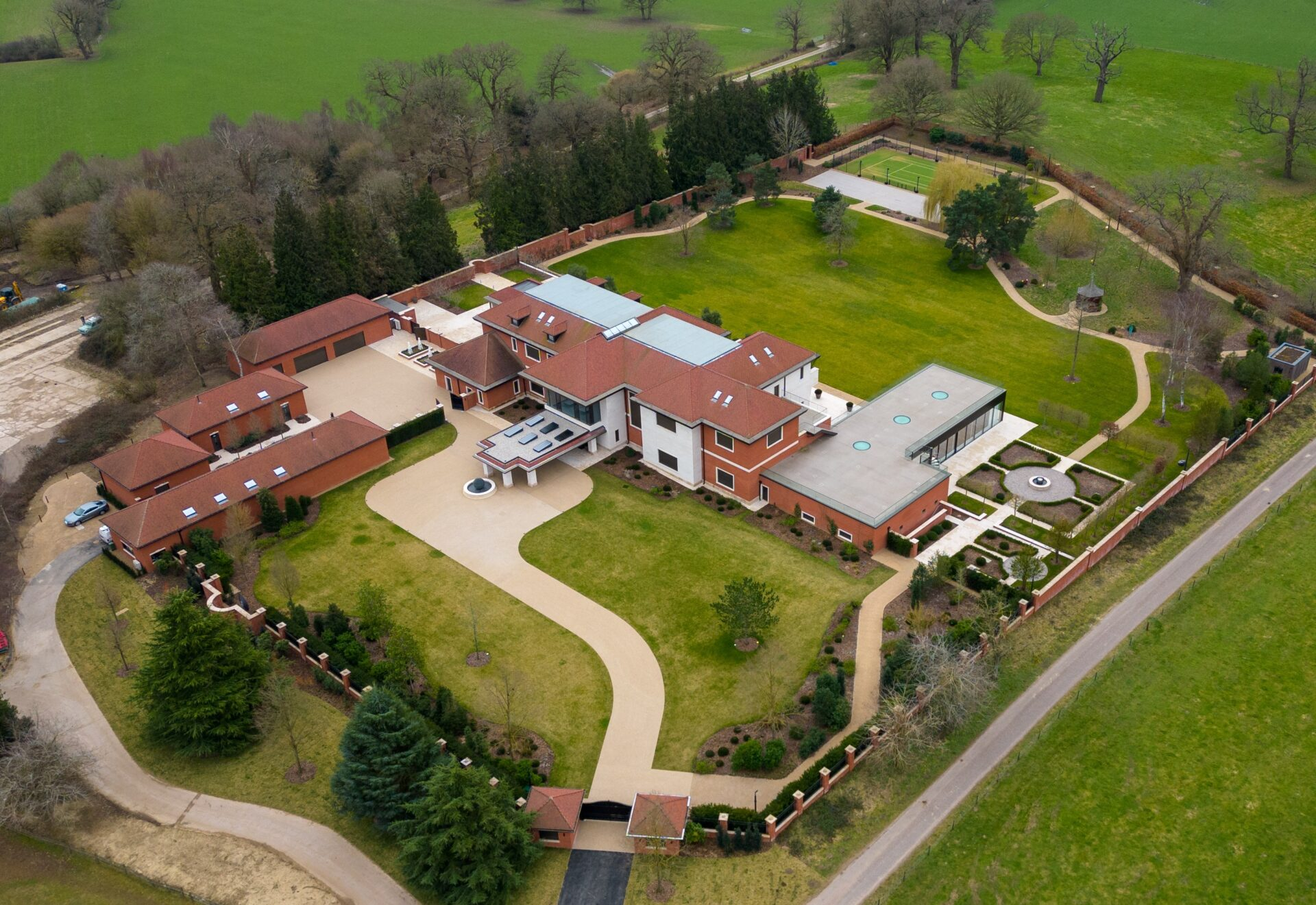
The £15 million sale of Andrew Mountbatten-Windsor’s former Berkshire estate was connected by investigations to money from a business involved in a global bribery operation.
In 2007, Andrew sold Sunninghill Park, the former royal residence, to Kazakh billionaire Timur Kulibayev, who utilized a loan from Enviro Pacific Investments to help finance the acquisition, according to documents examined. Enviro Pacific was later found to have received funds related to a corruption conspiracy involving oil contracts in Kazakhstan by Italian prosecutors.
The payments to Enviro Pacific were made weeks prior to the property being purchased by Kulibayev, the son-in-law of Nursultan Nazarbayev, the former president of Kazakhstan, for £15 million, approximately £3 million more than the asking price and an estimated £7 million more than market value.
One of the most influential people in Kazakhstan’s oil and gas industry at the time, Kulibayev, has denied any involvement in bribery. Through his attorneys, he claimed that the financing used to buy Sunninghill Park was legal, agreed upon by the business community, and subsequently paid back with interest.
However, prosecutors in Italy came to the conclusion that Enviro Pacific received money from a bribery network that used Aventall, a business that was allegedly used to channel illicit payments, according to court documents from 2016 and 2017. Aventall was mentioned as part of the payment system in one case when Italian oil tycoon Agostino Bianchi entered a guilty plea to bribing Kazakh officials. They didn’t charge Kulibayev.
The disclosures cast doubt on whether Prince Andrew exercised adequate due diligence throughout the acquisition and whether he may have unintentionally profited from funds associated with corruption. Back then, Andrew was fourth in line for the throne and a trade ambassador for the United Kingdom.
The sale carried “blatant red flags,” according to money-laundering specialist Tom Keatinge, including the use of offshore firms, the exorbitant purchase price, and Kazakhstan’s then-widely publicized corruption issues.
Despite these problems, the buyer’s identity and the funding source were not made public after the sale was finalized. In 2007, it was not legally required to identify the owners of offshore businesses buying real estate in the UK.
Prince Andrew refused to comment on the results. Citing confidentiality, Buckingham Palace and the Royal Family’s attorneys, Farrer & Co., declined to comment.
Asserting that “nobody is above the law,” Margaret Hodge, the UK government’s anti-corruption champion, described the revelations as “deeply shocking” and demanded a thorough inquiry.
According to Kulibayev’s attorneys, their client has never participated in wrongdoing and his riches was accumulated over decades of lawful business dealings.