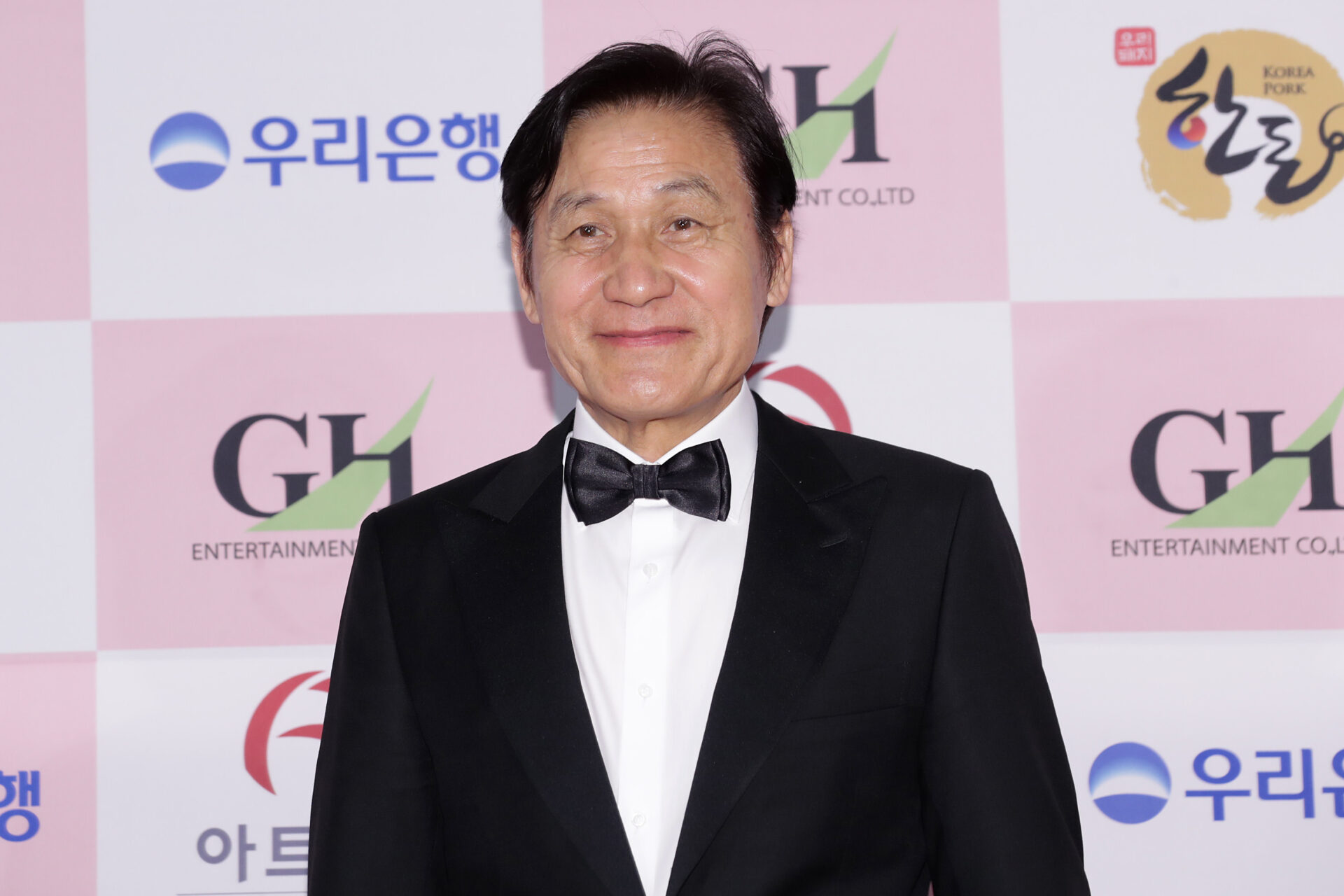
Ahn Sung-ki, a beloved movie hero whose six-decade career influenced generations of moviegoers, is mourned in South Korea.
At the age of 74, South Korean film icon Ahn Sung-ki, also referred to as “The Nation’s Actor,” passed away, ending a career that shaped contemporary Korean filmmaking.
After fighting blood cancer for years, Ahn passed away on Monday at Seoul’s Soonchunhyang University medical, according to medical officials and his agency, the Artist Company.
The Artist Company said in a statement that they were deeply saddened by his death, sent their condolences to his family, and prayed for his everlasting peace. In his homage, South Korean President Lee Jae Myung said that Ahn was a source of solace and introspection for many. The president wrote, “I already miss his kind voice and warm smile.”
Ahn, who was born in 1952 in the southeastern city of Daegu to a father who was a filmmaker, debuted on screen as a young actor in The Twilight Train in 1957. As a child, he starred in almost 70 movies before giving up acting to lead a more traditional life.
Ahn began studying Vietnamese as a major at Hankuk University of Foreign Studies in 1970. Even though he graduated with high honors, he had trouble finding corporate work, which he later ascribed to his major’s declining significance after the Vietnam War.
Good, Windy Days, a coming-of-age film that depicted the hardships of working-class adolescents during South Korea’s rapid development, was his breakthrough performance in 1980. He resumed acting in 1977. His reputation in Korean cinema was solidified by the portrayal, which brought him the Grand Bell Award for Best New Actor.
In the decades that followed, Ahn gave outstanding performances in a variety of parts, including as a special forces trainer in Silmido, a Vietnam War veteran in White Badge, a corrupt police officer in Two Cops, a Buddhist monk in Mandara, and a beggar in Whale Hunting. The warmth and emotional depth of his work in Radio Star further won him over viewers.
Throughout the 1980s and 1990s, Ahn received numerous significant industry awards and won the Grand Bell Award for Best Actor five times, a record unparalleled in South Korea.
In addition to his on-screen accomplishments, Ahn was respected for his modesty, low-key personal life, and avoidance of controversy. He gained broad admiration and the enduring moniker “The Nation’s Actor” thanks to his kind public persona.
Ahn later claimed that although first feeling constrained by the designation, it helped him choose a more fulfilling professional path. His wife and two boys survive him. Funeral plans were scheduled to continue until Friday at a hospital in Seoul.