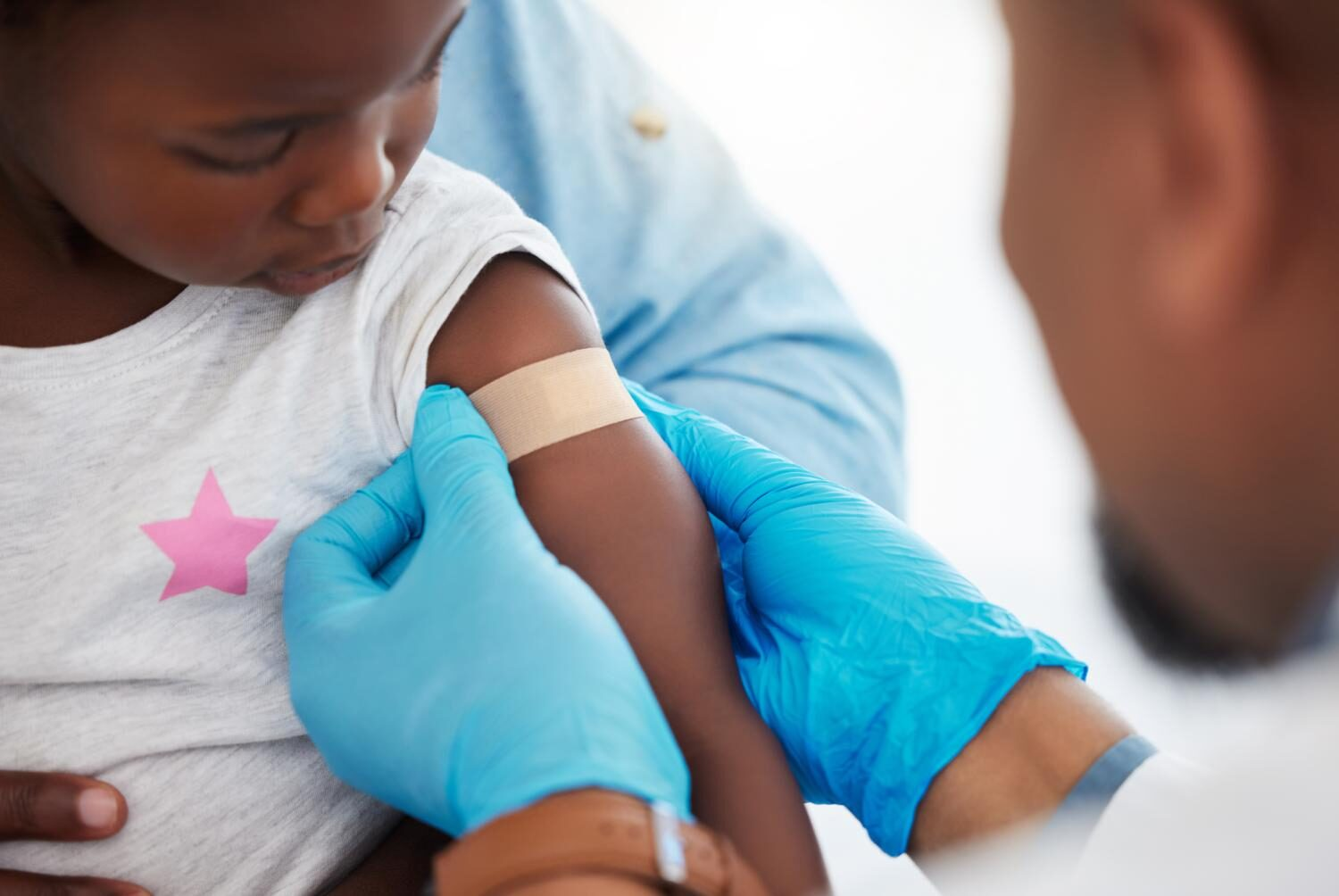
The US has reduced its routine childhood vaccine recommendations, raising concerns among physicians as the risks of infection increase and vaccination rates decline.
The United States has made a significant decision by drastically cutting the number of vaccines recommended for all children, a move that medical groups caution could diminish protection against various preventable diseases.
Effective immediately, the Centers for Disease Control and Prevention will now recommend vaccinations against 11 diseases, reducing the previous broader list. Vaccines for influenza, rotavirus, hepatitis A and B, specific types of meningitis, and respiratory syncytial virus (RSV) are no longer recommended for all children. Instead, they are now restricted to high-risk groups or determined through shared decision-making between doctors and patients.
Officials from the Trump administration stated that the initiative, supported by Health Secretary Robert F. Kennedy Jr., will not limit access for families wishing to receive the vaccines, emphasizing that insurance coverage will stay the same. However, physicians and public health experts express concern that the overhaul may lead to confusion among parents and potentially increase the incidence of preventable illnesses.
The decision arises amidst a decline in childhood vaccination rates in the US, where exemptions have reached a record high, coinciding with a rise in outbreaks of diseases like measles and whooping cough across the country.
The Department of Health and Human Services stated that the updated guidance came in response to a December request from President Donald Trump to examine how other countries organize their vaccine schedules. Officials indicated that a comparison among 20 developed nations revealed the US as a “outlier” regarding the number of vaccines and doses recommended for all children.
“This decision safeguards children, honors families, and restores confidence in public health,” Kennedy stated, while Trump characterized the new schedule as “much more reasonable” and in line with global standards.
According to the updated guidance, vaccines for measles, polio, tetanus, whooping cough, chickenpox, and HPV continue to be universally recommended. The schedule now simplifies the HPV vaccine to a single dose for most children, a reduction from the earlier two or three doses.
Medical groups expressed their concerns regarding the changes, highlighting that they were implemented without public consultation or a transparent scientific review process. Experts cautioned that reducing recommendations for vaccines for flu, hepatitis, and rotavirus may result in increased hospitalizations and avoidable fatalities.
Pediatricians emphasized that vaccine policies ought to align with disease prevalence and healthcare capacity, advising against the direct adoption of other countries’ strategies. Multiple medical organizations, such as the American Academy of Pediatrics and the American Medical Association, have stated their commitment to adhering to and advocating for more extensive immunization schedules.
Officials acknowledged that the decision was made without input from the CDC’s vaccine advisory committee, which has raised additional concerns regarding the process. Critics highlight Kennedy’s enduring skepticism regarding vaccines, referencing his previous efforts to reduce recommendations for COVID-19 vaccines and reform advisory panels.
Public health experts caution that these changes threaten to undo decades of advancements in managing childhood infectious diseases throughout the United States.