Gold and silver prices increased as geopolitical tensions heightened after the US apprehended Venezuela’s President Nicolás Maduro.
The prices of precious metals surged significantly after the United States captured Venezuelan President Nicolás Maduro, a situation that has intensified investor worries regarding increasing geopolitical risks.
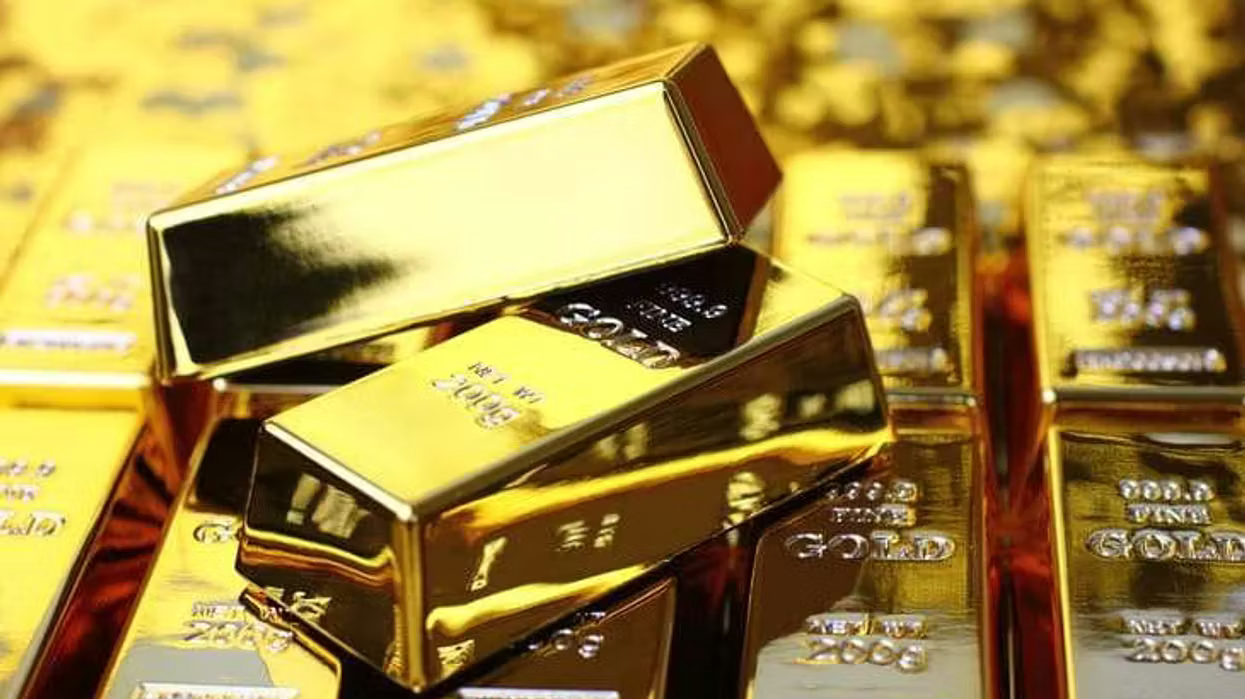
Gold increased by approximately 2.2% to reach $4,424 (£3,292) per ounce, while silver jumped 3.9%, as investors redirected their funds into conventional safe-haven assets in response to the prevailing uncertainty. The gains occurred despite a decline in crude oil prices, while stock markets in Europe and Asia largely showed positive performances.
Gold and silver achieved record highs earlier in 2025, but experienced a slight retreat in the final days of the previous year. Even with that late decline, gold achieved its best annual performance since 1979, increasing by over 60% in 2024. The valuable metal reached a record peak of $4,549.71 on December 26.
Analysts linked the rise in gold prices to anticipated interest rate reductions, significant bullion acquisitions by central banks, and ongoing investor apprehension regarding global tensions and economic instability.
In early trading, oil prices experienced fluctuations before retreating as markets evaluated the potential impact of Washington’s intervention in Venezuela on global crude supplies. Brent crude declined by 50 cents, or 0.8%, settling at $60.26 a barrel.
US President Donald Trump has pledged to take advantage of Venezuela’s extensive oil reserves after the seizure of Maduro, stating that the United States would “run the country until such time as we can do a safe, proper and judicious transition.” Nevertheless, industry analysts have minimized the chances of any immediate effect on global energy prices.
Experts indicate that revitalizing Venezuela’s oil industry would necessitate substantial investment to restore aging and deteriorating infrastructure, which has been in continuous decline since the early 2000s.
Vasu Menon, an investment strategist at OCBC Bank, noted that Venezuela’s crude production has been “lacklustre” for years and currently represents only about 1% of global oil output.
Former BP chief executive Lord Browne echoed that perspective during an interview on the BBC’s Today programme, stating that restoring Venezuela’s oil production would require “a tremendous amount of skill, investment and time.” He noted that while there might be a modest short-term increase in output, production could initially decline as the industry goes through reorganisation.