A senior U.S. official told Reuters that the Trump administration is not happy with the Rwandan-backed M23’s withdrawal from a key town in eastern Congo, as locals reported ongoing fighting in the area on Tuesday.
Days after Congolese President Felix Tshisekedi and Rwandan leader Paul Kagame met with President Donald Trump in Washington and reiterated a peace agreement mediated by the United States, on December 10, M23 took control of the town of Uvira, which lies close to the Burundian border.
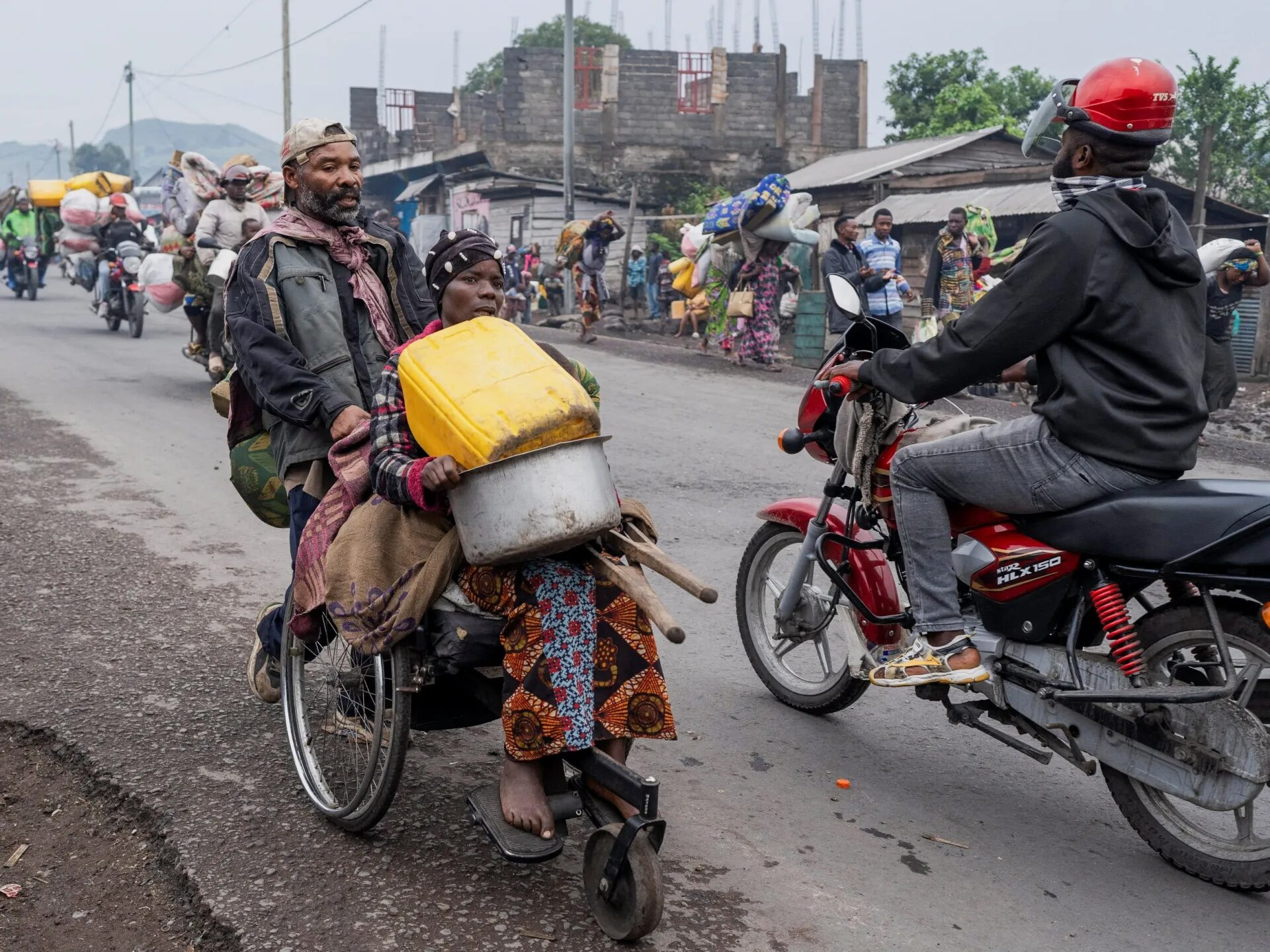
The rebels’ largest move in months was the capture, which heightened concerns about conflict that has killed thousands and displaced hundreds of thousands since January spreading throughout the province.
U.S. Secretary of State Marco Rubio claimed last week that Rwanda’s actions in the mineral-rich eastern Congo were against the terms of the peace agreement, and M23 promised to leave the area to allow for peace negotiations.
The senior U.S. official stated that although the majority of M23 fighters have departed Uvira, Washington is “not satisfied” that the organization has completely retreated.
Though significant progress has been made, we don’t believe that the town has truly been freed. “We do think that the M23 is still in various locations throughout the city,” the official stated.
Two locals told Reuters on Tuesday that some M23 members are still in Uvira, but they are dressed as police rather than soldiers.
One local claimed to have heard sporadic gunfire Tuesday morning coming from hills above the Kalundu neighborhood.
The violence in recent days has been attributed to both the Congolese army and M23.
Rwanda denies support for M23 and has attributed the resurgence of conflict to Burundian and Congolese soldiers. In July, a United Nations panel of experts concluded that Rwanda had command and control over the rebels.
M23 is talking independently with Kinshasa in Qatar; it is not a party to the negotiations facilitated by Washington.
The IMF claims that war strains public finances.
According to the U.N. refugee agency last week, the latest fighting has forced more than 84,000 migrants into Burundi this month, surpassing its capacity.
In South Kivu province, some 500,000 people have been displaced since early December, and the World Food Programme is increasing assistance for 210,000 individuals who are at risk.
According to IMF mission leader Calixte Ahokpossi, Congo has lost 0.4% of its GDP as a result of M23’s lightning advance in North and South Kivu this year, while extraordinary security expenditures have approached $3 billion.
“If (insecurity) continues in the medium term and they have to continue cutting spending, particularly on investment and social programmes, it will have an impact on growth and the future of the country,” said the politician.