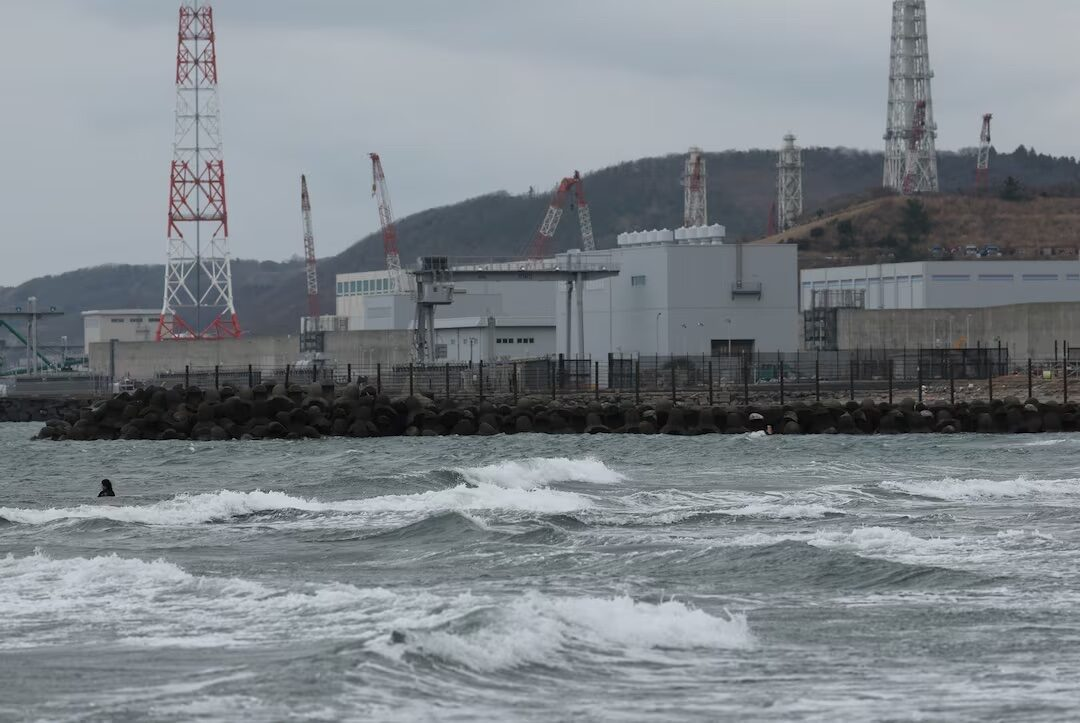
Japan is set to restart the world’s largest nuclear plant, 15 years following the Fukushima disaster
The Niigata region in Japan is anticipated to approve a decision to restart the world’s largest nuclear power plant on Monday, marking a significant turning point in the nation’s return to nuclear energy following the 2011 Fukushima disaster.
Kashiwazaki-Kariwa, situated approximately 220 km (136 miles) northwest of Tokyo, was one of 54 reactors that were shut down following a massive earthquake and tsunami that severely impacted the Fukushima Daiichi plant, marking the worst nuclear disaster since Chernobyl.
Since that time, Japan has brought back online 14 of the 33 operational reactors, as it seeks to reduce its reliance on imported fossil fuels. Kashiwazaki-Kariwa will be the first to be operated by Tokyo Electric Power Co (TEPCO), the company that managed the ill-fated Fukushima plant.
“We are steadfast in our commitment to preventing any recurrence of such an incident and ensuring that the residents of Niigata do not face anything like it again,” stated TEPCO spokesperson Masakatsu Takata.
According to public broadcaster NHK, TEPCO is contemplating the reactivation of the first of seven reactors at the plant on January 20, pending approval. Takata chose not to provide any comments regarding the timing.
Residents hesitant about the restart
Earlier this year, TEPCO committed to investing 100 billion yen ($641 million) in the prefecture over the next decade in an effort to gain the backing of Niigata residents.
However, numerous residents continue to be cautious.
A survey released by the prefecture in October revealed that 60% of residents believed the conditions for the restart had not been fulfilled. Almost 70% expressed concerns regarding TEPCO’s management of the plant.
Ayako Oga, 52, relocated to Niigata after escaping the vicinity of the Fukushima plant in 2011 alongside 160,000 other evacuees. Her former residence was located within the 20 km irradiated exclusion zone.
The farmer and anti-nuclear activist has now become involved in protests against what she perceives as a new danger at her doorstep.
“We understand the dangers associated with a nuclear accident and cannot overlook them,” Oga stated, noting that she continues to experience symptoms reminiscent of post-traumatic stress from the events at Fukushima.
Even Niigata Governor Hideyo Hanazumi, who supported the restart last month, expresses hope that Japan will ultimately lessen its dependence on nuclear power. “I envision a time when we can move beyond energy sources that induce anxiety,” he stated.
ENHANCING ENERGY SECURITY
On Monday, the prefecture’s assembly will hold a vote of confidence regarding Hanazumi, effectively assessing his backing for the restart.
The vote is regarded as the last obstacle before TEPCO can restart the first reactor, which, according to Japan’s trade ministry, could increase electricity supply to the Tokyo area by 2%.
Prime Minister Sanae Takaichi, who assumed office two months ago, has supported the resumption of nuclear power to enhance energy security and address the expenses associated with imported fossil fuels, which make up 60% to 70% of Japan’s electricity generation.
Last year, Japan allocated 10.7 trillion yen ($68 billion) for imported liquefied natural gas and coal, representing a tenth of its overall import expenses.
Even with a declining population, Japan anticipates an increase in energy demand in the next ten years, driven by a surge in power-intensive AI data centres.
To address those needs and fulfill its decarbonisation commitments, it has established a goal of increasing the share of nuclear power in its electricity mix to 20% by 2040.
Joshua Ngu, vice chairman for Asia Pacific at consultancy Wood Mackenzie, stated that public acceptance of the restart of Kashiwazaki-Kariwa would signify “a critical milestone” in achieving those objectives.
In July, Kansai Electric Power, Japan’s leading nuclear power operator, announced that it would start conducting surveys for a reactor in western Japan, marking the first new unit since the Fukushima disaster.
For Oga, who will participate in protests outside the Niigata assembly as lawmakers cast their vote on Monday, the nuclear revival serves as a chilling reminder of the potential dangers.
“Each news update regarding the restart feels like experiencing the fear all over again,” she expressed.