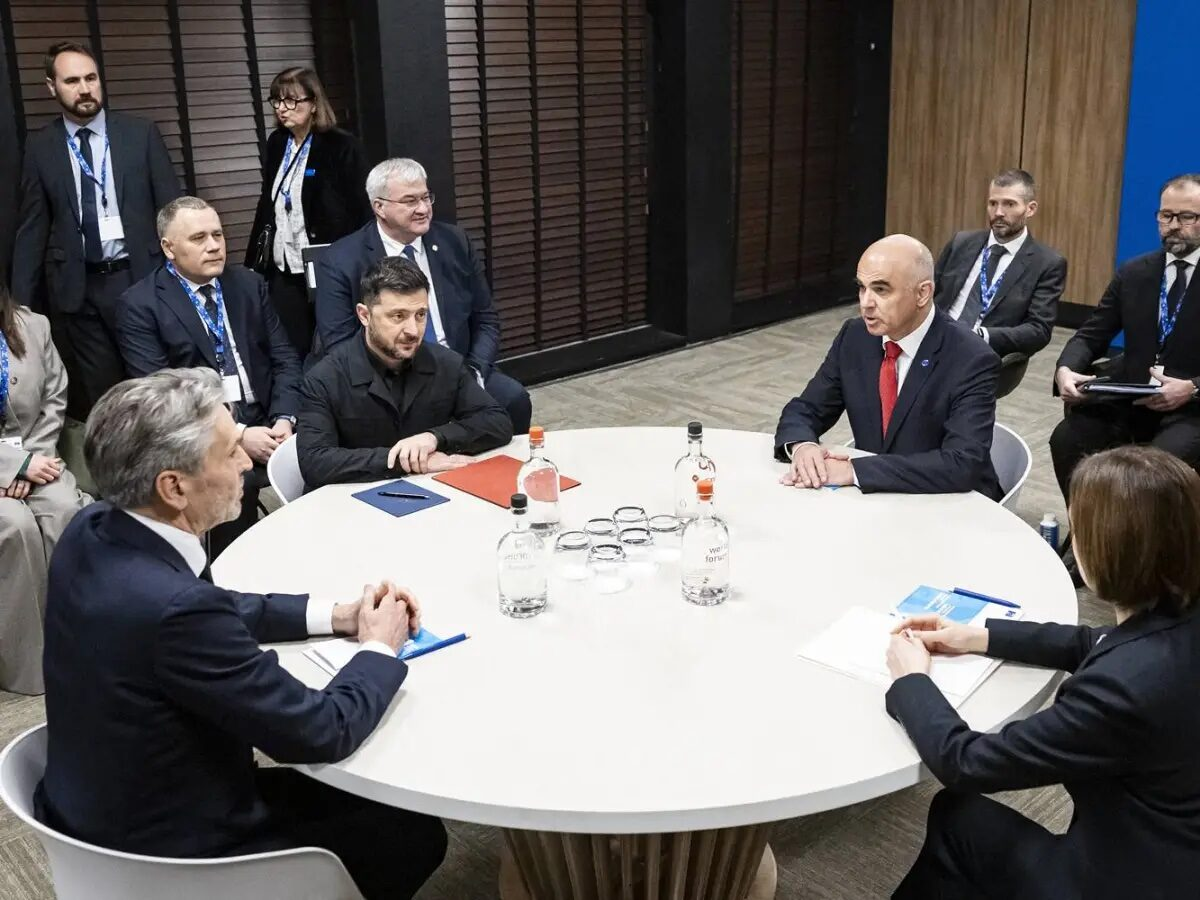
EU leaders gather in Brussels to discuss whether to lend Ukraine frozen Russian assets in the face of financial shortages.
During a crucial conference in Brussels, European Union leaders will have to make a decision on whether to lend Ukraine tens of billions of euros from Russian assets that have been blocked in order to fund its economic and military requirements.
Euroclear, a financial services company based in Belgium, holds the majority of the approximately €210 billion (£185 billion; $245 billion) in frozen Russian central bank assets within the EU. Several member states, including Belgium, have so far refused to use the funds, citing financial and legal dangers.
Ukrainian officials caution that if more money isn’t provided, the nation’s finances may run out in a matter of months. According to one European government official, despite the stark differences, there remained cautious hope that an agreement might still be made.
The idea has been met with fierce opposition from Russia, which has sued Euroclear in a Moscow court to get the frozen money back.
At a pivotal point in the battle, Belgian Prime Minister Bart De Wever is the center of attention at the meeting. He informed parliament that he has not yet seen any proposal that would convince Belgium to modify its stance.
A peace agreement is more imminent than ever, according to US President Donald Trump, as Russian and American officials prepare to meet this weekend in Miami to discuss a resolution to the crisis. Russia has condemned any European-led, US-backed multinational force in Ukraine but has not openly addressed the most recent plans.
Ursula von der Leyen, president of the European Commission, has suggested lending Ukraine approximately €90 billion over the next two years from the frozen Russian assets. This amount would cover about two-thirds of Kyiv’s projected funding needs for 2026 and 2027. The principal has not yet been transferred by the EU; only the interest generated by the assets.
“This is crucial for Ukraine to continue fighting for the upcoming year,” a Finnish government official stated, adding that the money will help Kyiv’s negotiating stance.
Friedrich Merz, the chancellor of Germany, has been one of the biggest proponents of deploying the assets, claiming that doing so would make it abundantly evident to Moscow that the conflict is pointless.
But opposition is still fierce. Prime Minister Viktor Orban of Hungary has stated that he will not back any more EU aid for Ukraine, while Robert Fico of Slovakia has protested that the funds should be spent for armaments rather than rehabilitation.
Approximately two-thirds of EU members would need to support the idea. Insisting that no choice be imposed on Belgium, European Council President António Costa has emphasized the need of reaching a consensus.
Italy, Malta, Bulgaria, and the Czech Republic have also expressed concerns; Italian Prime Minister Giorgia Meloni stated that Rome would only back the action if its legal underpinnings were “solid.”
Ratings firm Fitch has put Euroclear on negative watch because of possible legal liability associated with the proposal, putting Belgium at particular risk. In the worst case, a judge would force Belgium to give the money back to Russia.
According to EU authorities, Kyiv would only repay the EU loan if Russia made reparations to Ukraine. Only then would the assets be restored.
The choice might have a significant impact on Ukraine’s war strategy in the years to come, as President Volodymyr Zelensky gets ready to meet with EU leaders at the summit.