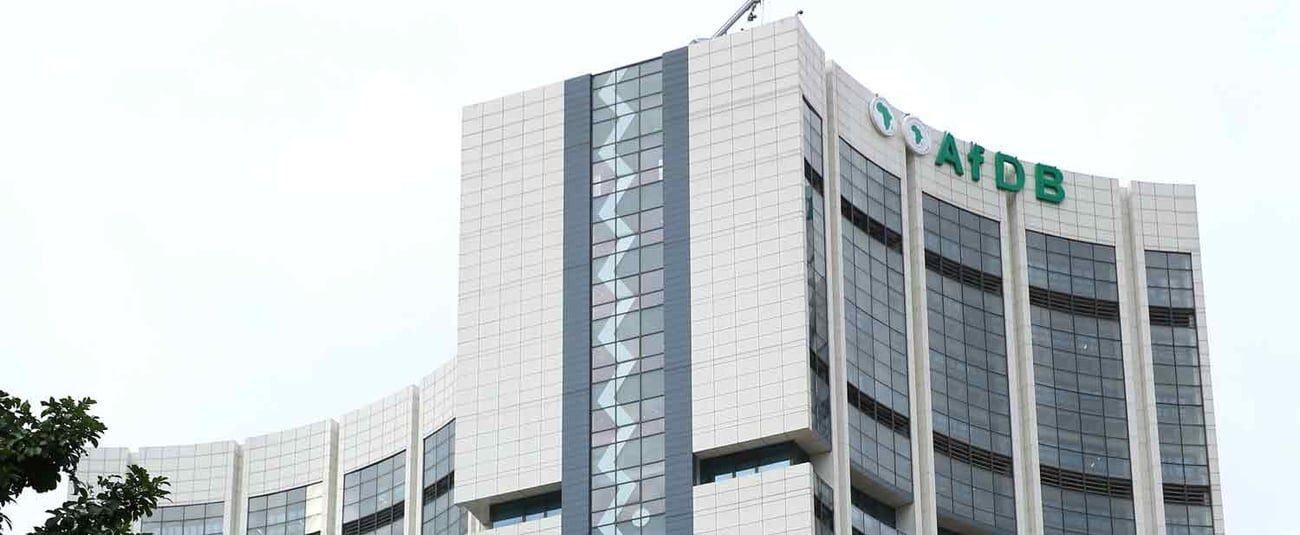
The African Development Bank (AfDB) hosted a donor-pledging conference on Monday for its fund that gives money to low-income countries on good terms. This was an attempt to make up for the fact that U.S. support is dropping, which means that the bank’s $25 billion goal is now in jeopardy.
Before the two-day meeting in London, people questioned why Washington gave the African Development Fund (ADF), which is supported by the US, a promised $197 million payment last seen being taken back by Trump’s administration earlier this year.
The Reuters Tariff Watch email gives you the most up-to-date information on international trade every day.
The African Development Bank (AfDB), which is the largest development lender in Africa, said that the US would send a delegate to the talks. However, it was still unknown if the US would promise to give money.
Valerie Dabady, who is in charge of resources and partnerships at AfDB, said, “Existing partner countries probably won’t be able to fully close the $560 million grant funding gap that would remain if the United States didn’t pledge to help.”
There was no statement from the White House after someone asked for one.
Without going into details, a U.S. Treasury spokesperson told Reuters in September that it wanted to “return the ADF to its core mission of promoting economic growth and poverty reduction in the poorest African countries.”
The Trump government cut the budgets of several international organizations. In May, it cut the World Bank’s International Development Association help to $3.2 billion, which was $800 million less.
Important Way to Get Money
The ADF has given 37 African countries with low incomes a total of $45 billion since 1972. The money has been used to build roads, irrigation systems, and projects to bring people power. It is refilled every three years.
The ADF offers grants and concessional loans with repayment terms longer than 20 years, unlike the AfDB’s main lending window, which has higher interest rates and stricter conditions.
Its role has grown as governments’ access to money is limited by high debt, less help, and capital markets that are hard to get money from.
The last ADF replenishment, which was $8.9 billion at the end of 2022, had the United States as one of the top five funding countries with about 7%, alongside Germany, France, Britain, and Japan.
The AfDB, which is based in Abidjan, wants to raise $25 billion in this round, but Washington’s change on foreign aid puts that goal in jeopardy.
DENMARK, NORWAY, AND AFRICA TAKE ACTION.
Other countries have promised more. In October, Denmark said it would raise its contribution by 40% to 1.1 billion Danish crowns ($171 million), and last month, Norway offered a nearly 6% raise.
African member states will also start to give. Last year, Kenyan President William Ruto promised $20 million, and other possible donors are Benin, Ghana, and Sierra Leone. Dabady spoke.
The fund is making final arrangements to get $5 billion in seed money from capital markets every cycle and to get money from charitable organizations.