Nigeria’s headline inflation rate decreased to 14.45% in November, indicating that underlying economic pressures had subsided and food prices had eased.
The National Bureau of Statistics (NBS) reports that Nigeria’s headline consumer inflation dropped from 16.05% in October to 14.45% in November on an annual basis. As a result of better macroeconomic conditions, a favorable base effect, and lessening pressures across important consumer categories, the reduction is the seventh consecutive month that inflation has slowed.
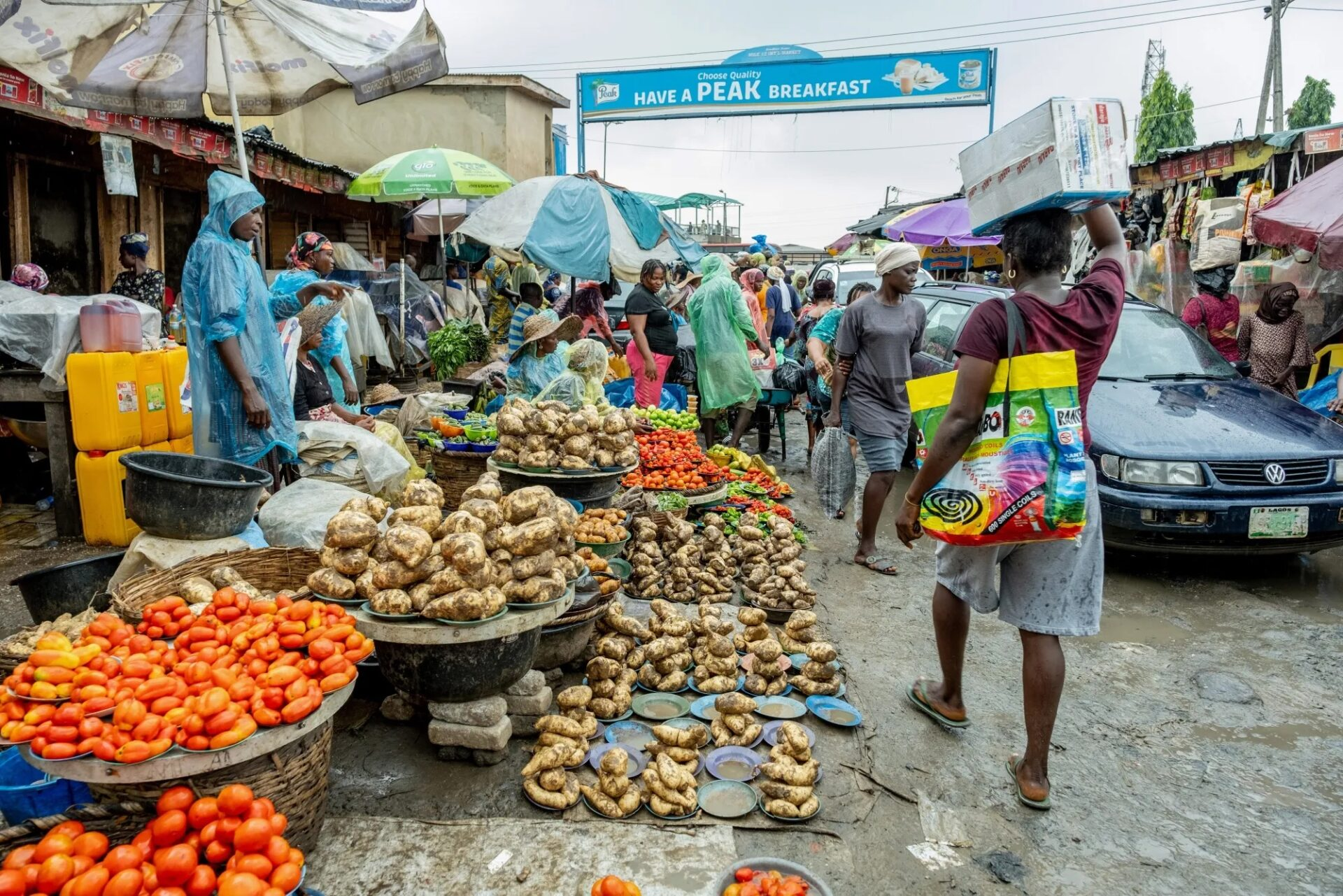
Analysts noted that steady logistics costs, increased domestic food supply, and harvest activities all led to a more favorable price situation in the most recent NBS predictions. In instance, food inflation decreased to a projected 12.13% per year from 14.43% in October; nevertheless, due to seasonal festive demand, monthly food costs are predicted to increase marginally to 0.91%.
Additionally, core inflation, which does not include volatile food and energy components, decreased from 18.69% in October to 18.16% from the previous year. With stable foreign exchange circumstances and better supply chains, pressures on non-food products are expected to ease, with month-over-month core inflation predicted at 1.38%, which is somewhat lower than the previous month.
If the November report is accurate, Nigeria will have experienced disinflation for eight consecutive months. According to economists, the trend supports further tightening of monetary policy and increased foreign exchange liquidity while allowing for a modest turn toward policy easing in early 2026, provided that the macroeconomic environment stays stable.
According to NBS analysts, “the outlook for a more balanced and sustainable economic environment is strengthened by the combination of a contained month-over-month increase and a moderating year-over-year inflation.”