Jimmy Lai, a pro-democracy media magnate, is found guilty by a Hong Kong court, raising international attention to China’s national security crackdown.
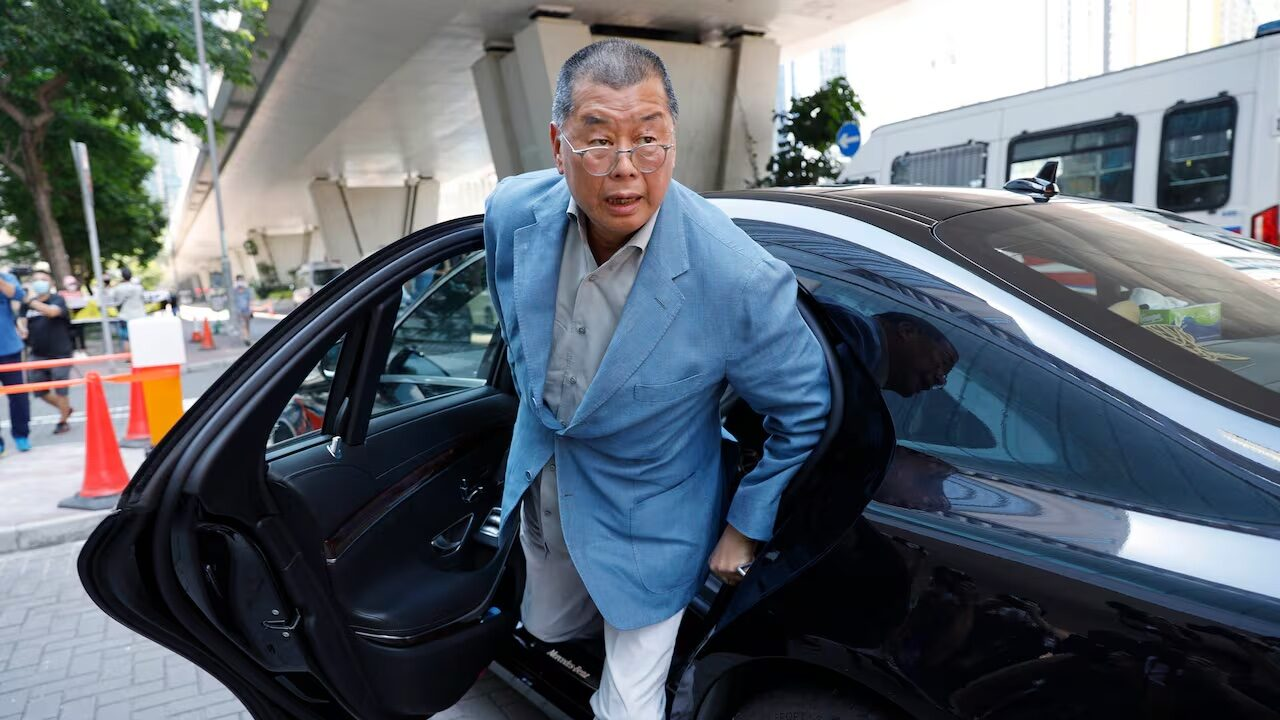
In the most well-known conviction under China’s expansive national security statute imposed on the city in 2020, a Hong Kong court found media tycoon and pro-democracy activist Jimmy Lai guilty of sedition and conspiracy to coordinate with foreign forces.
The court has not yet set a sentencing date, but the 78-year-old founder of the now-defunct Apple Daily newspaper faces a possible life term as a result of the judgment. Lai may request leniency during a pre-sentencing hearing on January 12.
Beijing’s national security statute, which criminalizes actions generally characterized as secession, subversion, terrorism, and coordination with foreign entities, applies to two of the three allegations on which Lai was found guilty. Critics contend that the law has been used to stifle dissent and restrict political liberties, despite Chinese officials’ insistence that it primarily targets risks to national security.
With the United States and Britain denouncing the decision as politically motivated and casting doubt on Hong Kong’s judicial independence, the issue has garnered significant international attention. Lai was given a fair and legal trial, according to Beijing and the Hong Kong administration, which have dismissed the criticism.
China’s international Ministry called on other nations to abstain from meddling in its domestic affairs, expressing its “strong dissatisfaction” with what it called international “smears” against Hong Kong’s legal system.
Justice Esther Toh delivered the ruling, stating that Lai had shown animosity toward China and plotted to have the mainland and Hong Kong subject to international sanctions. While Chinese authorities characterize Lai as a key player behind anti-government protests, supporters see him as a champion of press freedom.
Lai had already been detained for almost five years in connection with several charges under the national security framework, which was implemented in the wake of the 2019 major pro-democracy demonstrations.