Nigeria has granted permits to 28 companies as part of a program designed to eliminate routine gas flaring, reduce carbon emissions, and utilize some of the gas for power generation.
Officials of the Nigerian Gas Flare Commercialisation Programme (NGFCP) announced on Friday that the initiative represents a significant advancement in the efforts to eliminate flaring and to monetize the gas that is currently wasted.
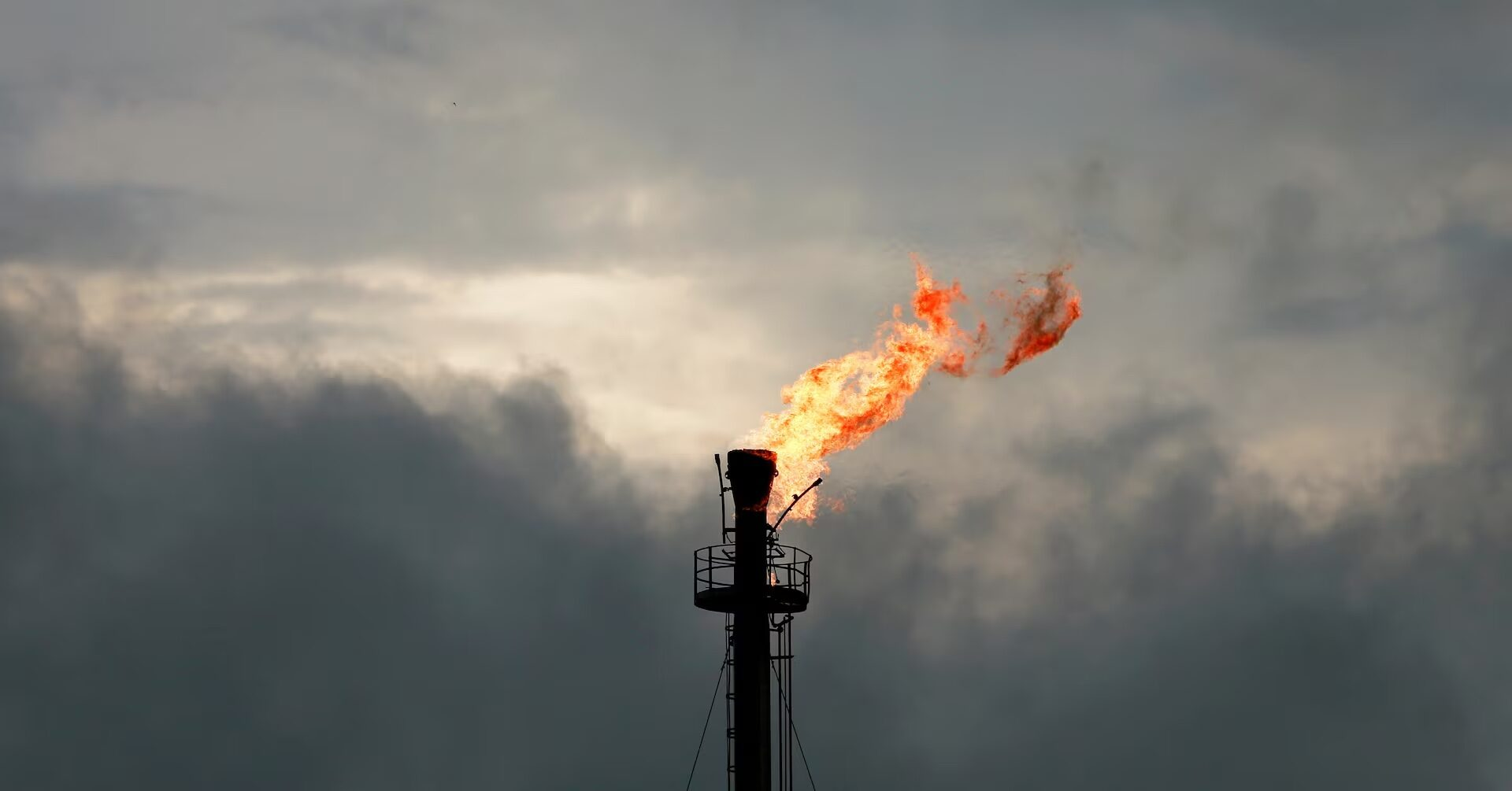
Gas flaring refers to the intentional combustion of natural gas that occurs as a byproduct of oil extraction.
The projects have the potential to capture between 250 and 300 million standard cubic feet per day (mmscfd) of gas that is currently flared, reduce approximately 6 million tonnes of CO₂ each year, and unlock nearly 3 gigawatts of power generation capacity, according to an NGFCP document.
Nigeria anticipates that the initiative will draw in as much as $2 billion in investments and generate over 100,000 jobs. Additionally, it has the potential to generate 170,000 metric tonnes of LPG each year, ensuring clean cooking access for 1.4 million households.
The permits are a result of a competitive bidding process that allocated 49 flare sites to 42 bidders, following the restructuring of the program after COVID-19 and the implementation of the Petroleum Industry Act.
Gbenga Komolafe, the head of the Nigerian Upstream Petroleum Regulatory Commission, was present to award the certificates to the 28 companies.
“An NGFCP official stated, ‘The NGFCP serves as a cornerstone in our efforts to eradicate routine flaring, lower emissions, and bolster Nigeria’s international reputation regarding energy transition commitments.'”
The program is in harmony with Nigeria’s Energy Transition Plan and seeks to transform flare gas from an environmental burden into a valuable economic resource.
A total of 28 companies have entered into significant agreements, such as Connection, Milestone Development, and Gas Sales Agreements, and are now eligible for permits to utilize flare gas.
Producers will experience advantages such as lower liabilities, enhanced ESG performance, and better alignment with the government’s decarbonisation agenda.
Development partners such as Power Africa, KPMG, the World Bank’s Global Gas Flaring Reduction initiative, USAID, and various financiers have provided support to the programme through technical and commercial frameworks.
The official stated that although the permits signify a significant achievement, engineering, construction, and financing need to commence “in earnest.”
“Now, the actual work begins,” the official added. “This initiative aims to generate economic, industrial, and environmental benefits while enhancing Nigeria’s energy transition.”