Australia is the first country in the world to prohibit under-16s from social media, which has caused conflicting teen reactions and serious safety concerns.
Millions of teenagers were forced offline by Australia’s world-first ban on social media accounts for children under 16, which went into effect at midnight and sparked a heated discussion over children’s rights, enforcement, and digital safety.
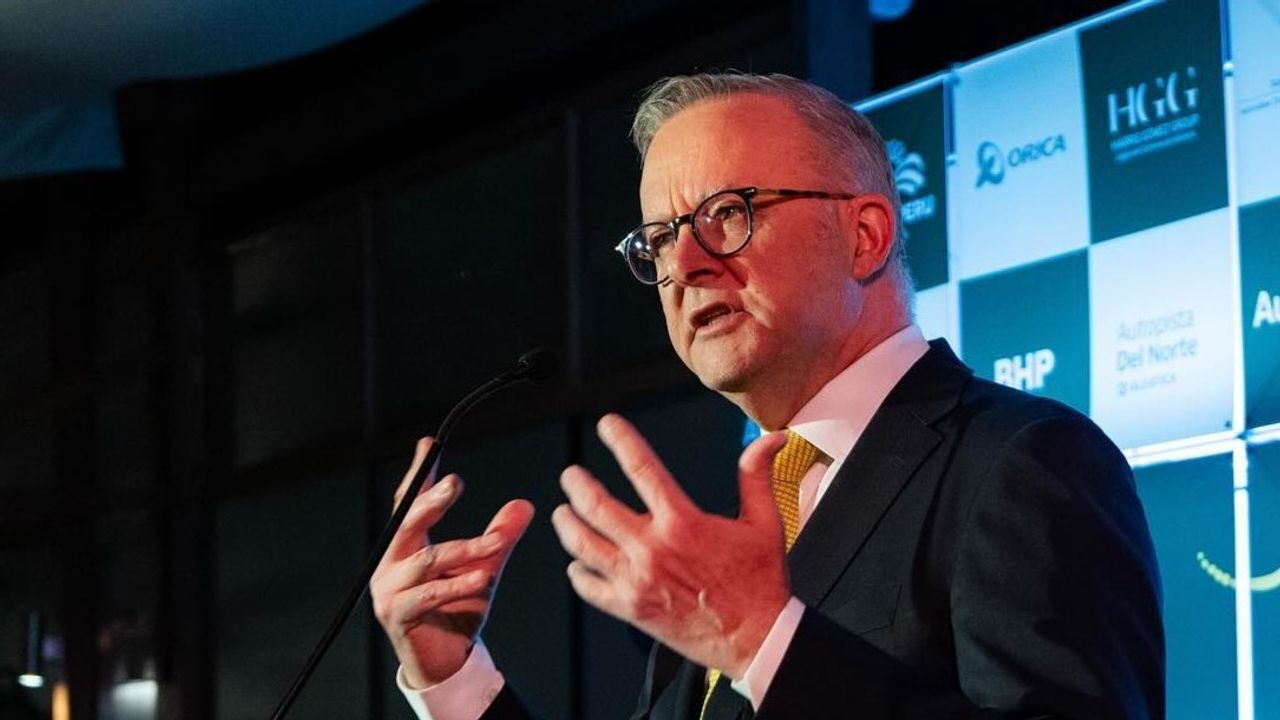
The legislation is intended to shield young people from harmful content and internet predators, according to Prime Minister Anthony Albanese, who praised the action as “a proud day to be prime minister of Australia.” Under the new regulation, digital businesses risk heavy fines unless they take “reasonable steps” to stop under-16s from opening accounts.
Platforms that must comply include Instagram, Facebook, X, Snapchat, TikTok, Reddit, YouTube, Threads, Twitch, and Kick, however the list may grow. Governments around the world are keeping a close eye on the proposal as a possible blueprint for future regulations.
Australian teenagers were nearing the end of their first day under the ban by almost 20:00 in Sydney (09:00 GMT in London), although many acknowledged they continued to find ways around it.
A 13-year-old said that by posting a picture of her mother, she got around verification. Some said that they only used the information of their older siblings.
Adolescent responses differed greatly. Some dismissed it, saying they would “quickly get over it,” while others claimed they felt “insulted” and unfairly constrained.
Proponents contend that the prohibition protects kids from predators, cyberbullying, and constant internet pressure. Fears that excessive screen time is harming young people’s mental health have motivated the policy’s development for more than a year.
However, some claim that the ban would alienate vulnerable teenagers who rely on internet forums for assistance and connection. Numerous tech companies also dispute whether age-verification technologies can actually be implemented and warn that the prohibition may encourage kids to use less regulated, riskier sites.
Even government officials acknowledge that they do not yet have a precise criteria for determining success in Australia’s experiment, which has just begun.
In light of their own youth-focused social media limitations, numerous nations are now examining the legislation, making Australia the first real-world test case in a larger global discussion about children, technology, and public safety.
The question of whether the restriction shields youth from harm or exposes them to new dangers is still up for debate.