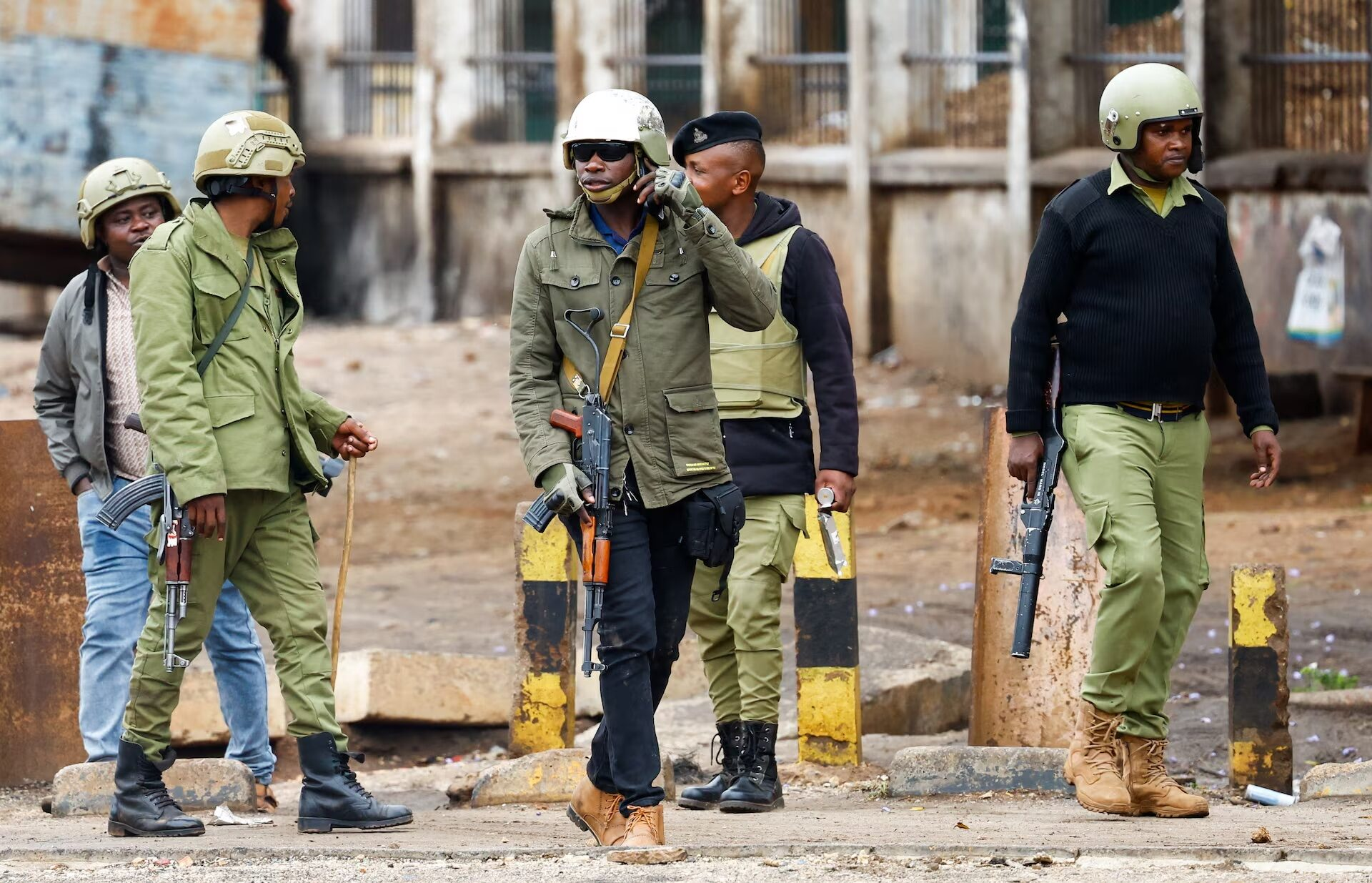
Tanzanian police warned Friday that statewide protests planned for next week will be prohibited, paving the way for potential re-escalations following last month’s bloody protests over elections.
Following the exclusion of her primary opponents, President Samia Suluhu Hassan was considered the clear winner of the October election, sparking protests that were partially motivated by what activists claimed was a broader assault on dissent.
The United Nations, opposition parties, and rights organizations have stated that skirmishes between the protestors and security forces probably resulted in the deaths of hundreds of people. The administration rejects those estimates, arguing they are inflated, and denies repressing dissent.
David Misime, a police spokesperson, stated that despite social media posts on December 9 urging protests, they had not yet received any official notices from anyone seeking to stage demonstrations.
“The Police Force is banning these demonstrations, which have been given the name of ‘unlimited peaceful protests’, from taking place,” he stated in a statement.
Misime claimed that people organizing protests were calling on participants to, among other things, take property, interfere with hospital services, and remain on the streets indefinitely in order to stop economic activity.
A panel of UN human rights experts called on Tanzanian authorities and security forces on Wednesday to uphold the right to assemble and stop any further abuses in advance of the scheduled protests.
In her most public admission of the unrest that has resulted in the nation’s largest political crisis in decades, Hassan has pledged to look into the election violence and expressed sympathy to the families of those who have lost loved ones.
“We hear there is another one planned… whenever they come, we are prepared,” Hassan said Tuesday during an elders’ gathering in Dar es Salaam in reference to the upcoming protests.
On Thursday, the United States announced that it was reevaluating its ties with Tanzania because of issues with free expression, religious freedom, barriers to American investment, and violence against civilians.
The U.N. Human Rights Council, the European Union mission, and a number of other nations, including the United States, Ghana, Belgium, Canada, and Denmark, made separate declarations that Tanzania’s foreign ministry said it had taken note of with concern on Friday.
“Tanzania remains committed to constructive international cooperation for peace and development and respectfully calls upon all stakeholders to allow national mechanisms to implement steps and measures taken by the government,” it stated in a statement.