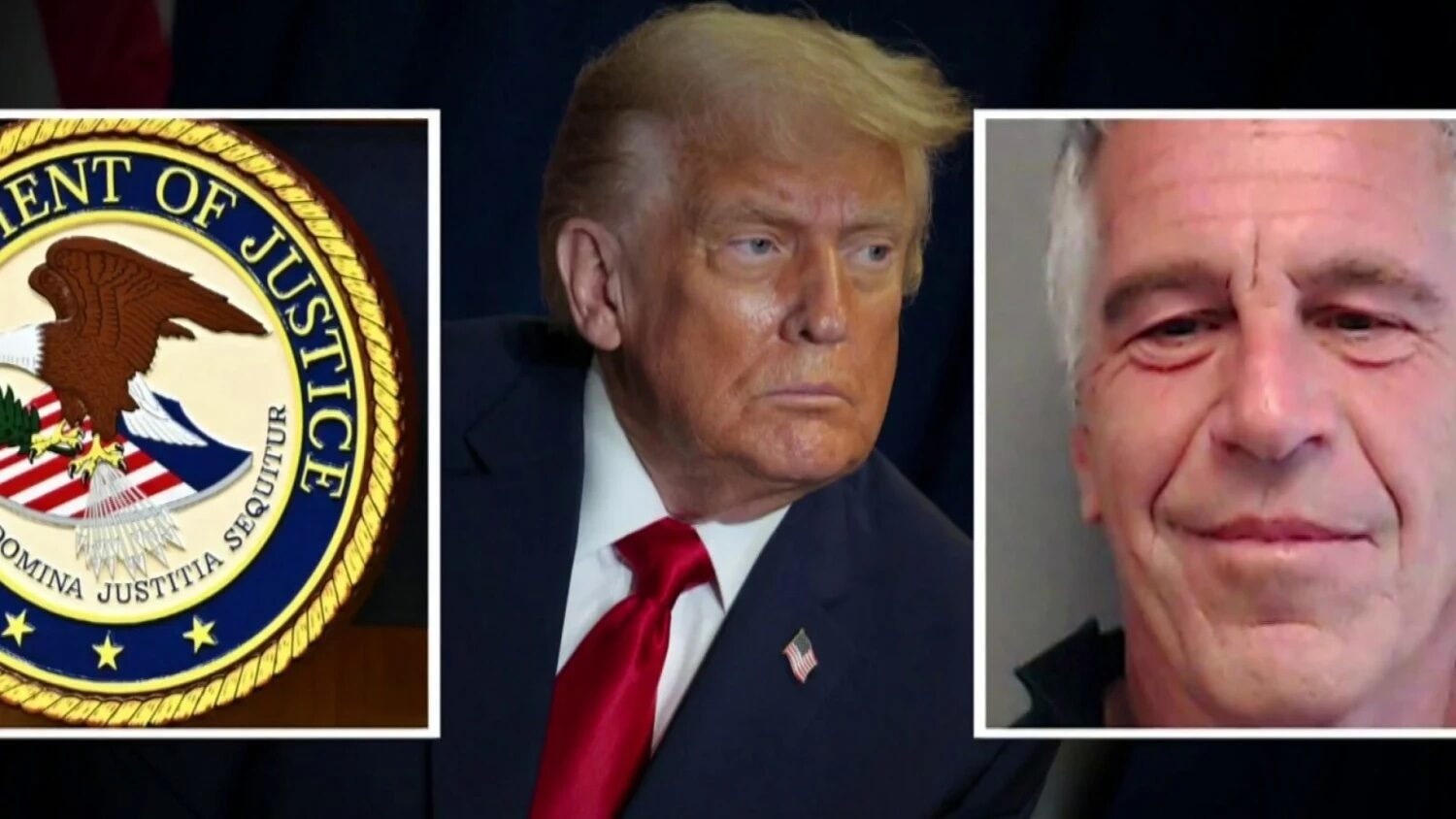
Trump signs legislation mandating the Justice Department to provide the Epstein probe papers within 30 days, even though he had previously opposed it.
On Wednesday, US President Donald Trump declared that he had signed a measure mandating the disclosure of all documents pertaining to the late convicted sexual offender Jeffrey Epstein.
According to the law, the Justice Department must make all of the data from the Epstein investigation available “in a searchable and downloadable format” within 30 days.
Following pressure from Epstein’s victims and members of his own Republican Party, Trump this week reversed his earlier opposition to the files’ release. He backed the bill, which on Tuesday cleared both houses of Congress with unanimous Senate assent and resounding House of Representatives support.
Since he had just signed the bill to release the Epstein files, he added, “Perhaps the truth about these Democrats, and their associations with Jeffrey Epstein, will soon be revealed!”
The legislation was approved by the House 427-1, but Trump could have authorized the release without congressional involvement. It was quickly approved by the Senate and forwarded to the president for his signature.
Documents from criminal investigations against Epstein, including flight records, internal justice department correspondence, victim and witness interview transcripts, property raid items, and information about individuals and organizations connected to Epstein, are among the files that will be made public.
The more than 20,000 pages of documents from Epstein’s estate that Congress made public last week, some of which included direct references to Trump, are different from these materials. Among them were statements made by Epstein in 2018 about Trump, including “I am the one able to take him down” and “I know how dirty Donald is.”
Trump has stated that he and Epstein had a falling out in the early 2000s, two years before to Epstein’s initial arrest, despite the fact that they had been friends for many years. Trump has consistently denied any misconduct with Epstein.
Trump said Republicans had “nothing to do with Epstein” in an interview with reporters on Monday night, adding, “It’s really a Democrat problem.” All of the Democrats were buddies with Epstein.
Trump’s signing of the law was described by Virginia Giuffre’s family as “nothing short of monumental” for Giuffre and other survivors. Giuffre committed suicide earlier this year. “We continue to be watchful as we look to the next chapter. There is still work to be done. According to Sky and Amanda Roberts, her brother and sister-in-law, every identity must be made public, regardless of wealth, influence, or political affiliation.
When Epstein was discovered dead in his New York jail cell in 2019, the coroner determined that his death was a suicide. In 2008, he was found guilty of soliciting prostitution from a minor and was awaiting trial on sex trafficking charges.
A number of well-known people were connected to the financier, including Trump, former Trump advisor Steve Bannon, Andrew Mountbatten Windsor, and other figures from the entertainment, media, and political spheres.
Following a series of cordial email conversations, former Harvard president Larry Summers announced his intention to take a leave of absence from teaching on Wednesday while the university looked into his connections to Epstein.
Within 30 days of the new law’s passage, Attorney General Pam Bondi is required to make public “all unclassified records, documents, communications, and investigative materials” pertaining to Epstein and his co-conspirator Ghislaine Maxwell. Maxwell is presently incarcerated for 20 years for trafficking in sex.
However, if some parts of the information could violate someone’s privacy or impede ongoing investigations, they might still be suppressed. Additionally, Bondi is able to conceal material that would endanger pending federal proceedings or reveal victims.
Thomas Massie, a Republican congressman who helped draft the law, expressed worry about such weaknesses. “I’m worried that [Trump] is starting a lot of investigations, and I think they might be attempting to use those investigations as a justification for not making the files public. I’m worried about it,” he remarked.