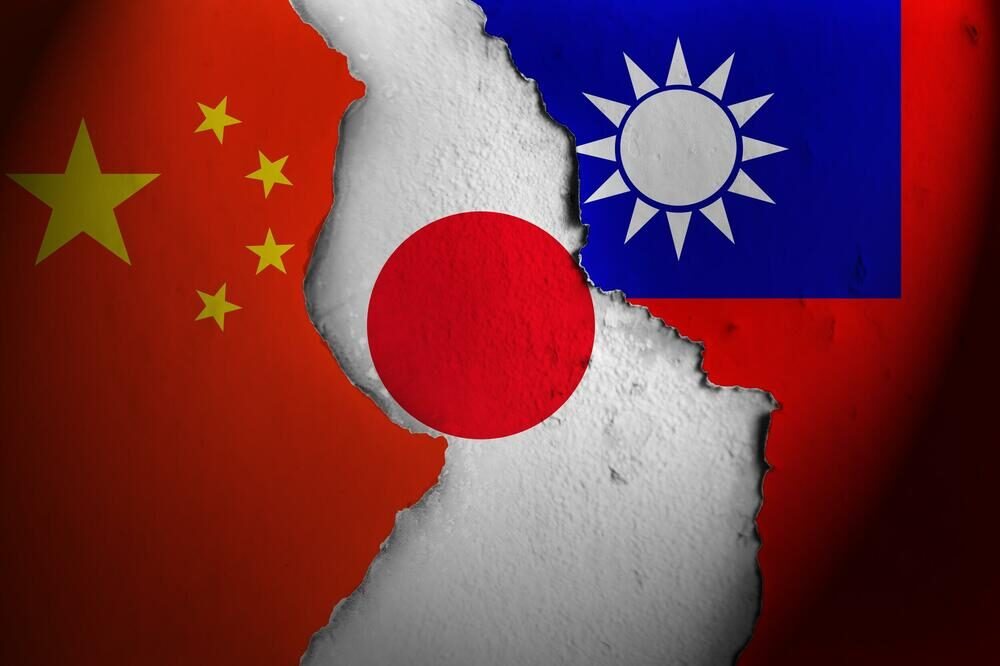
China has protested Japan’s comments regarding Taiwan, summoned its ambassador, and advised its citizens to steer clear of Japan as diplomatic tensions escalate.
China has advised its citizens against traveling to Japan and has called in Tokyo’s ambassador in Beijing in response to remarks made by Japanese Prime Minister Sanae Takaichi regarding the security ramifications of a possible Chinese assault on Taiwan.
The disagreement has led to a significant increase in the intensity of language used by both nations, each of which submitted official diplomatic protests this week. The tensions arose when Takaichi informed a parliamentary committee that any military action around Taiwan involving “battleships and the use of force” could represent a “survival-threatening situation” for Japan. According to Japan’s 2015 security law, this classification would enable Tokyo’s self-defense forces to react to an assault on its allies.
Beijing denounced the comments as “egregious,” and a subsequent statement by Xue Jian, China’s consul general in Osaka, escalated the situation when he posted online that “the dirty head that sticks itself in must be cut off.” Minoru Kihara, Japan’s Chief Cabinet Secretary, characterized the post as “highly inappropriate.” Each side subsequently filed protests regarding the statements made by the other.
Takaichi has stood firm on her comments, asserting that they align with the government’s longstanding stance, although she has indicated that she will exercise caution when addressing particular situations moving forward.
China’s Foreign Ministry cautioned Japan to “stop playing with fire,” stating that any intervention in the Taiwan Strait would be considered a “act of aggression.” Chinese Vice Foreign Minister Sun Weidong summoned Japan’s ambassador on Thursday, labeling Takaichi’s remarks as “extremely wrong and dangerous” and insisting on a retraction, cautioning that “otherwise all consequences must be borne by Japan.”
Japan continues to uphold its enduring commitment to pursuing a peaceful resolution regarding Taiwan’s status. During a daily briefing, Kihara expressed Tokyo’s desire for “a peaceful resolution of issues surrounding Taiwan through dialogue” and called on Beijing to take “appropriate action” regarding Xue’s comments.
On Friday evening, the Chinese embassy in Tokyo released a travel advisory recommending that Chinese nationals refrain from visiting Japan “in the near future,” referencing what it described as “blatantly provocative remarks regarding Taiwan.”
The disagreement reflects profound historical grievances that trace back to the 1800s and the Second World War, which still influence relations today. In a statement, China’s Foreign Ministry alluded to this history, cautioning that Japan would “inevitably suffer heavy losses and pay a bitter price” should it choose to intervene militarily in the Taiwan Strait.
Takaichi, a protégé of former Prime Minister Shinzo Abe, has consistently adopted a hawkish position regarding China. She advocates for enhanced defense collaboration with the US and a notable increase in Japan’s defense budget. Beijing has charged her with backing “Taiwan independence,” particularly following her meeting with a high-ranking Taiwanese official at the Apec summit in South Korea earlier this month.
China views Taiwan as an integral part of its territory and has not dismissed the possibility of using force to take control, a stance that causes concern for Taipei and its neighboring allies. Japan, similar to the US, has traditionally embraced a stance of strategic ambiguity regarding its potential response to a Chinese invasion, seeking to deter Beijing while maintaining economic relationships.
Previous remarks made by Japanese officials regarding Taiwan have sparked comparable controversies. In 2021, when then deputy prime minister Taro Aso stated that Japan would defend Taiwan in conjunction with the US, Beijing responded by insisting he “correct his mistakes.”
In the most recent escalation, China once more charged Japan with “gross interference” in its internal matters. Foreign Ministry spokesperson Lin Jian addressed reporters, stating, “Taiwan is China’s Taiwan,” and cautioned that China would not “tolerate any foreign interference.” He also raised concerns about whether Japan aimed to challenge China’s “core interests” and impede its reunification efforts.