Paramilitary force advances eastward in a new phase of the conflict in Sudan
The paramilitary group fighting the army in Sudan’s civil war is turning its attention eastward after regaining control of Darfur last month, unleashing bloodshed and launching drone strikes throughout the southern regions of the country that produce oil.
The paramilitary Rapid Support Forces and the army appear to be focusing their efforts on Kordofan, a region consisting of three states that acts as a buffer between the army-held states in the east and the RSF’s western Darfur strongholds, as evidenced by the increase in drone strikes and new troop and weapon deployments.
An international outrage over reports that the RSF massacred large numbers of civilians during its takeover of al-Fashir, the army’s last major holdout in Darfur, prompted the RSF to accept a ceasefire proposal from the United States last week.
The ceasefire, which might allow for further supplies of much-needed humanitarian relief after two and a half years of conflict, has not been accepted by the army, and fighting has not stopped.
Accounts from witnesses of retaliatory attacks
By capturing the town of Bara in North Kordofan state, a vital strategic link between Darfur and central Sudan, the RSF began its advance on Kordofan at the same time as it captured al-Fashir late last month. The town had only been retaken by the troops two months prior.
The president of the International Organization for Migration, Amy Pope, said that since then, up to 50,000 people had been forced to leave Kordofan.
Survivors from Bara, who only provided their first names out of fear of reprisals against their families, recounted revenge attacks and summary executions against those suspected of support for the army, echoing reports from al-Fashir, where tens of thousands were also displaced but many more are missing.
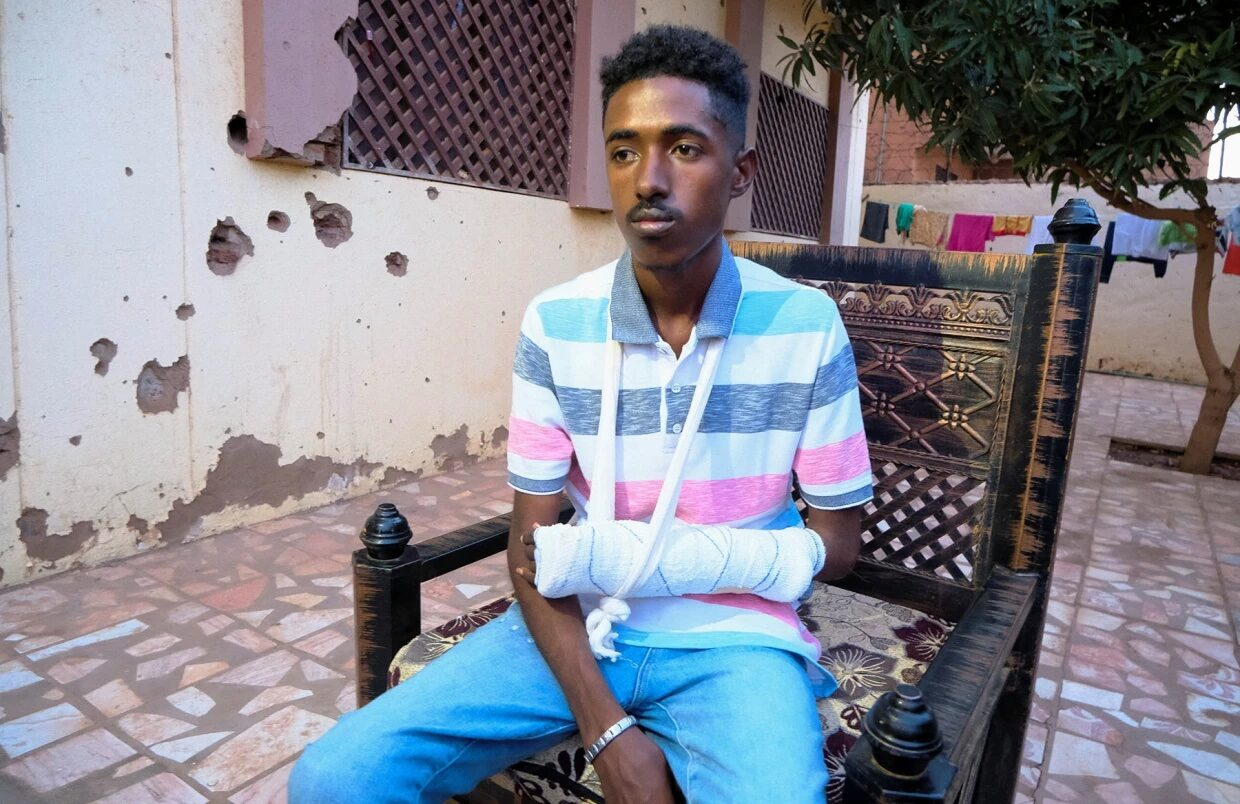
“They said you celebrated with the army… we have to kill you,” Khalil, one of the escapees, told Reuters while wearing a sling on his arm in army-controlled Omdurman, which is a part of the capital of Sudan. He claimed to have been among eight other individuals who were shot at by an RSF soldier as they were sitting in a row. Two of them were killed.
Ismail, another male, told how he had to hide inside a house while men were being shot in the street until he could afford to have a fighter take him and his family out of the city.
According to a third individual, Mohamed, he heard his father retaliating and being shot dead outside his home when RSF troops came. He alleged bands of RSF members broke into the residence, attacked him and others, and demanded gold and cash. He walked out of the city, avoiding cars and combatants.
Hundreds were slain in Bara, according to Sudanese advocacy group Emergency Lawyers.
The reports of the violence could not be independently confirmed by Reuters.
When asked for reaction, the RSF said that every effort at peace had been thwarted by the army. “Any place where the army is present is a legitimate target and we will attack in any area in Kordofan, Khartoum, or Port Sudan,” a leader of the RSF said.
An inquiry concerning the reports of murders in Bara was not answered by the RSF. The RSF claims that allegations of widespread abuses in al-Fashir and elsewhere are overblown and that it is looking into any that may have occurred.
INDICATES OF A MILITARY BUILDING
One of Sudan’s biggest cities, El Obeid, the capital of North Kordofan, may now become the scene of fighting. Earlier this week, two witnesses told Reuters that the RSF was stationed to the east, while the army and its allies were gathering troops and equipment in the capital.
RSF troops are also stationed outside the town of Babanusa in West Kordofan state, which is home to a significant army post, locals told Reuters. The majority of civilians left the city during the previous war.
Fighting has intensified in South Kordofan, where the RSF and affiliated SPLM-N fighters are encircling the army in the cities of Kadugli and the neighboring al-Dalanj, an SPLM-N source said.
According to a worldwide hunger monitor’s assessment last week, Kadugli was suffering from famine as of September, and al-Dalanj was probably also suffering from famine, reflecting the siege’s effects on al-Fashir.
There are indications of a larger military build-up, according to sources and witnesses.
The armed organization obtained fresh weaponry through South Sudan, according to an army source and a source close to the SPLM-N. In Port Sudan, the army’s wartime capital on the Red Sea coast, a witness saw a rise in the number of cargo planes arriving. The planes carried military goods, according to two army sources. The statements could not be independently verified by Reuters.
A power struggle led to the war, which has resulted in racially tinged bloodshed, extensive destruction, and huge displacement. It has also attracted foreign forces and threatened to divide Sudan. Drone strikes have been used more often by both sides in recent months, which has resulted in significant civilian casualties.
Without identifying the perpetrator, Emergency Lawyers reported that 49 persons, including women and children, were killed in a drone assault in the Sheikan neighborhood of North Kordofan on November 3.
According to U.N. human rights official Volker Turk, “developments on the ground indicate clear preparations for intensified hostilities, with everything that implies for its long-suffering people” on Friday.