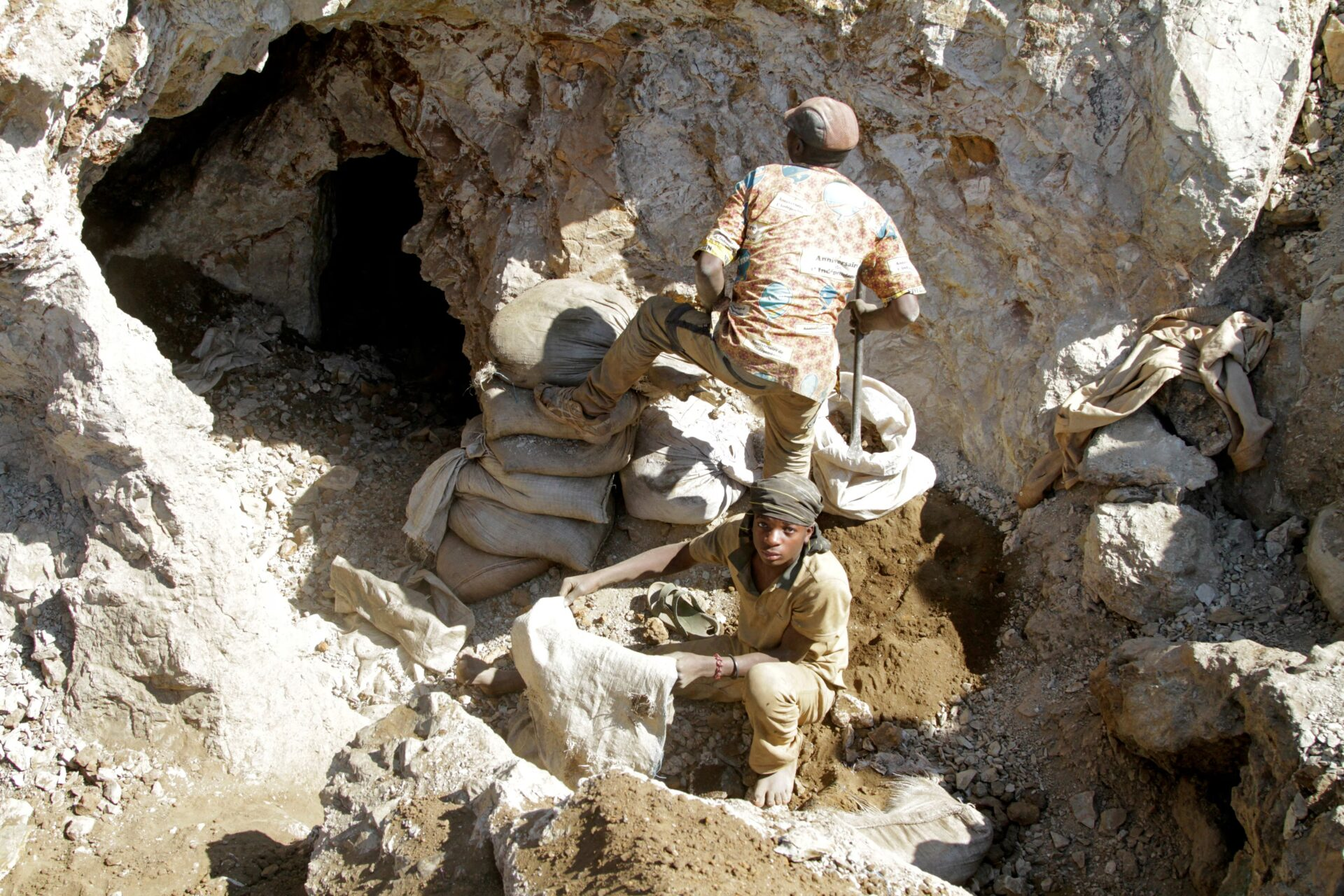
In the Democratic Republic of the Congo, which provides a large portion of the world’s battery metal, the state cobalt agency has produced its first 1,000 metric tons of traceable artisanal cobalt, marking a significant milestone in the sector’s formalization.
More than 74% of the world’s cobalt supply comes from the Congo, which has roughly 72% of the world’s reserves, most of which come from unofficial artisanal miners.
An estimated 1.5 to 2 million individuals are employed in artisanal mining, which provides indirect support to over 10 million people and is a lifeline for the Congo.
Because it is not subject to official inspection, unregulated cobalt is difficult to track and susceptible to government confiscations. Because of this uncertainty, there is less material that is obtained ethically, and the cost of traceable cobalt increases.
Congo implemented export quotas in October following a months-long export ban with the goal of reducing excess and bolstering pricing.
The ARESCOM-managed quota system discourages manufacturers from shipping out raw cobalt, which limits exports and encourages domestic processing.
The first 1,000 tons of traceable artisanal cobalt were revealed Thursday at a ceremony in the Congolese mining town of Kolwezi by Entreprise Générale du Cobalt (EGC), which was established in 2019 as a subsidiary of state-owned miner Gécamines. According to the corporation, its traceability methodology would harmonize production with global environmental, social, and governance standards and clean up the supply chain.
CEO Eric Kalala stated during the launch in Kolwezi, the center of Congo’s cobalt production, “The vision is to transform artisanal cobalt into a strategic asset under Congolese control.”
“Every ton purchased by EGC must reflect not only the value of the mineral, but also the dignity of those who extract it.”
According to the International Energy Agency, the demand for cobalt is expected to increase by 40% globally by 2030 due to the surge in electric vehicles and energy storage.
Producing companies are under pressure to stop child labor and hazardous practices as automakers and electronics companies want more evidence of ethical sourcing.
In addition to increasing its refining capacity and gaining a bigger portion of the artisanal market, EGC intends to grow beyond the initial 1,000 tons, according to Kalala.
EGC did not reveal the marketing or sales strategy for the first 1,000 tons.