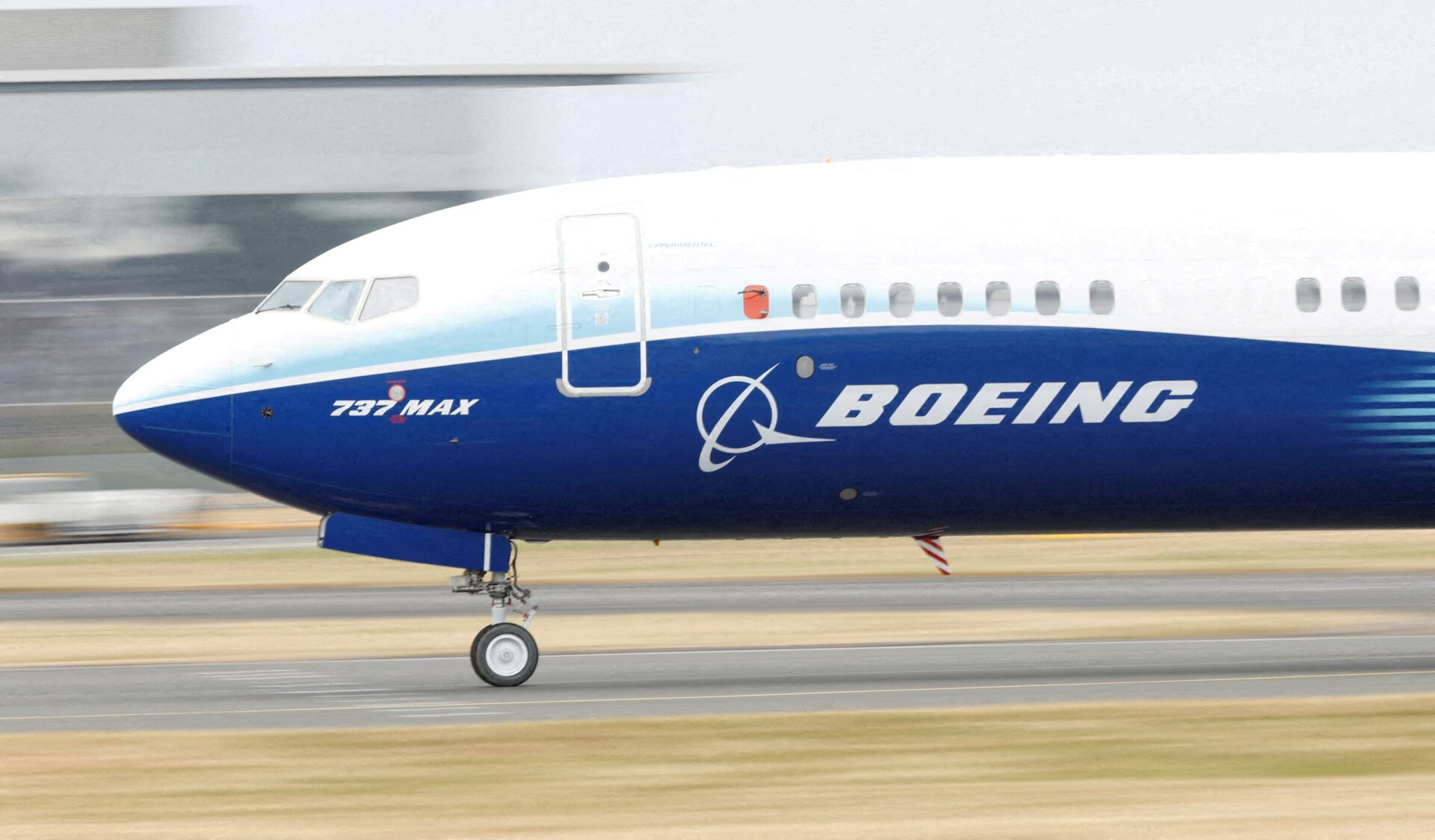
In a landmark decision, a Chicago jury ordered Boeing to pay $35.85 million to the family of a 737 MAX crash victim.
The family of Shikha Garg, a 32-year-old United Nations environmental worker who perished in the 2019 Ethiopian Airlines Flight 302 crash—one of two fatal Boeing 737 MAX crashes that claimed 346 lives globally—will receive more than $28 million from Boeing, according to a federal jury in Chicago on Wednesday.
The ruling is the first jury verdict in numerous of lawsuits related to the October 2018 Lion Air catastrophe in Indonesia and the March 2019 Ethiopian Airlines tragedy involving the twin 737 MAX crashes. A malfunctioning automatic flight control system that repeatedly drove the planes’ noses downward and left pilots scrambling for control was ultimately found to be the cause of both tragedies.
Garg’s family would receive $35.85 million, which includes the whole verdict amount plus 26% interest, as per an agreement the parties struck Wednesday morning. According to the family’s lawyers, Boeing decided not to appeal the ruling, marking the end of one of the most widely followed wrongful-death cases resulting from the MAX disaster.
Boeing said in a statement that it is still “deeply sorry to all who lost loved ones on the two flights.” Although the corporation has resolved the great majority of cases, she continued, it respects families’ right to pursue damages in court.
“We respect families’ right to pursue their claims through damages trials in court, even though we have settled the great majority of these claims through settlements,” the spokeswoman stated.
Garg’s family’s lawyers, Shanin Specter and Elizabeth Crawford, hailed the decision as a significant step in the direction of accountability. In a joint statement, they stated, “This verdict provides public accountability for Boeing’s wrongful conduct.”
Shortly after Ethiopian Airlines Flight 302 took off from Addis Ababa, Ethiopia, headed for Nairobi, Kenya, it crashed, killing 157 people, including Garg. The action was brought on behalf of their family by her husband, a government worker in India. According to the complaint, Boeing intentionally put a faulty aircraft into service while neglecting to adequately alert pilots, passengers, and regulators to the dangers associated with the automated flight control system of the 737 MAX.
Five months had passed since the Lion Air Flight 610 accident in Indonesia, which claimed 189 lives. Later, investigators discovered that the Maneuvering Characteristics Augmentation System (MCAS), a software function exclusive to the MAX, was activated by inaccurate sensor data in both crashes. The device overwhelmed flight crews by continuously forcing the aircraft’s nose down.
Following this, Boeing faced the worst corporate crisis in its history, criminal and civil investigations, and congressional scrutiny as it grounded the 737 MAX fleet globally for almost two years. Later, the firm and the US Department of Justice reached a deferred prosecution arrangement for $2.5 billion, which included compensation for the families of the victims as well as a criminal fine.
Boeing claims that it has now paid out billions of dollars in compensation and settled over 90% of the civil litigation pertaining to the two crashes. The aircraft manufacturer discreetly struck settlements in three further cases brought by relatives of other Ethiopian crash victims earlier this month, on November 5. Those agreements’ conditions were not made public.
The Chicago ruling is thought to serve as a possible standard for any instances that are currently ongoing in US courts. As the corporation attempts to restore public confidence and financial stability, it also reopens criticism of Boeing’s corporate choices, safety culture, and regulatory monitoring during the 737 MAX development program.