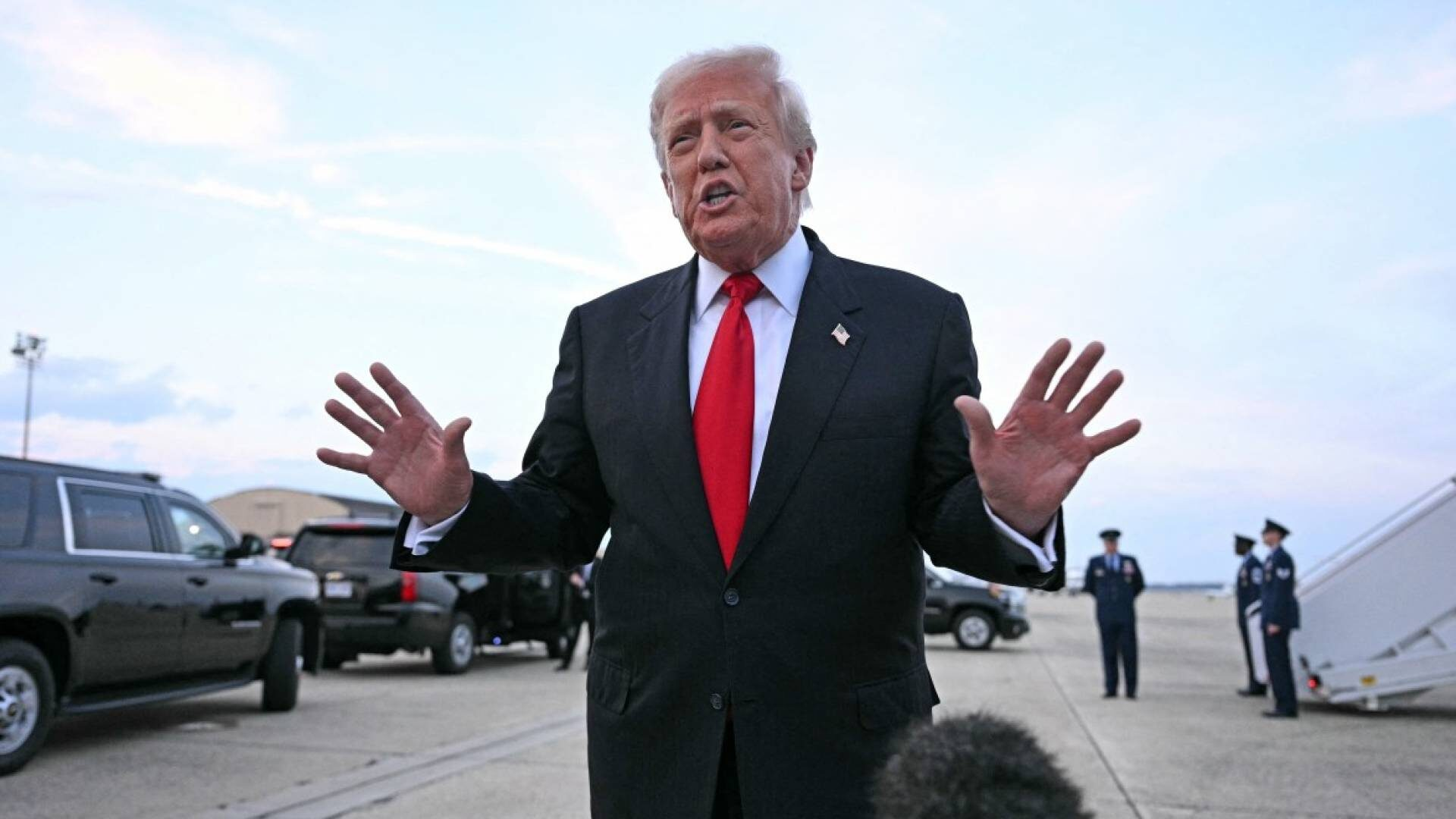
Trump has announced plans to sue the BBC for $1 billion due to a misleading edit of his 2021 Capitol speech.
US President Donald Trump has issued a threat to sue the British Broadcasting Corporation (BBC) for a minimum of $1 billion, alleging defamation related to the editing of a speech he gave in 2021 on the day his supporters breached the US Capitol.
In a letter sent on Sunday and reviewed by Reuters, Trump’s lawyers requested that the BBC retract the documentary, provide a public apology, and compensate him for what they characterized as “overwhelming reputational and financial harm.” The letter established a deadline of Friday for compliance prior to the initiation of legal action.
The controversy revolves around a Panorama documentary that was broadcast on the BBC, which Trump’s legal team asserts “intentionally and deceitfully” edited three parts of his January 6 speech to create the impression that he was inciting the riot. The letter indicates that the BBC left out sections of the speech in which Trump urged his supporters to march “peacefully and patriotically.”
The recent revelations have intensified the crisis surrounding the BBC, coming on the heels of the resignation of Director General Tim Davie and Head of News Deborah Turness on Sunday. Samir Shah, the Chair of the BBC, has since expressed regret, describing the editing as “an error of judgment,” while refuting allegations of institutional bias within the organization.
Shah stated that the broadcaster is currently assessing the legal threat and will provide a direct response in due time. The contentious documentary has been taken down from the BBC’s iPlayer service.
Trump’s legal team contended that the edit represented a calculated effort to disrupt the 2024 US presidential election. “The BBC defamed President Trump by deliberately and misleadingly editing its documentary to attempt to sway the Presidential Election,” a spokesman stated.
Legal experts observe that public figures in the United States encounter significant challenges in defamation cases, necessitating evidence that a defendant intentionally disseminated false information. However, Trump’s attorneys intend to reference Florida defamation law, given that his main residence is in the state.
In England and Wales, individuals bringing defamation claims are required to demonstrate that a publication has caused or is likely to cause “serious harm” to their reputation.
On Monday, Shah spoke to lawmakers, emphasizing that although “mistakes were made,” the BBC continues to uphold its dedication to impartial journalism. “I understand that the essence and ethos of BBC News is to maintain impartiality — to deliver the most reliable and credible news available,” he stated.
The spokesperson for British Prime Minister Keir Starmer defended the corporation, stating that the government does not view the BBC as biased or corrupt, while highlighting the importance of maintaining its editorial standards.
Trump maintains that his defeat in the 2020 election to Joe Biden was the result of fraud — an assertion dismissed by numerous courts, audits, and independent inquiries. The riot on January 6, which occurred after his rally close to the White House, led to fatalities, injuries, and a temporary halt in Congress’s certification of Biden’s victory.
The BBC, a publicly funded broadcaster governed by a Royal Charter, is currently facing significant pressure to restore its reputation and regain public trust in light of increasing scrutiny regarding its editorial integrity.