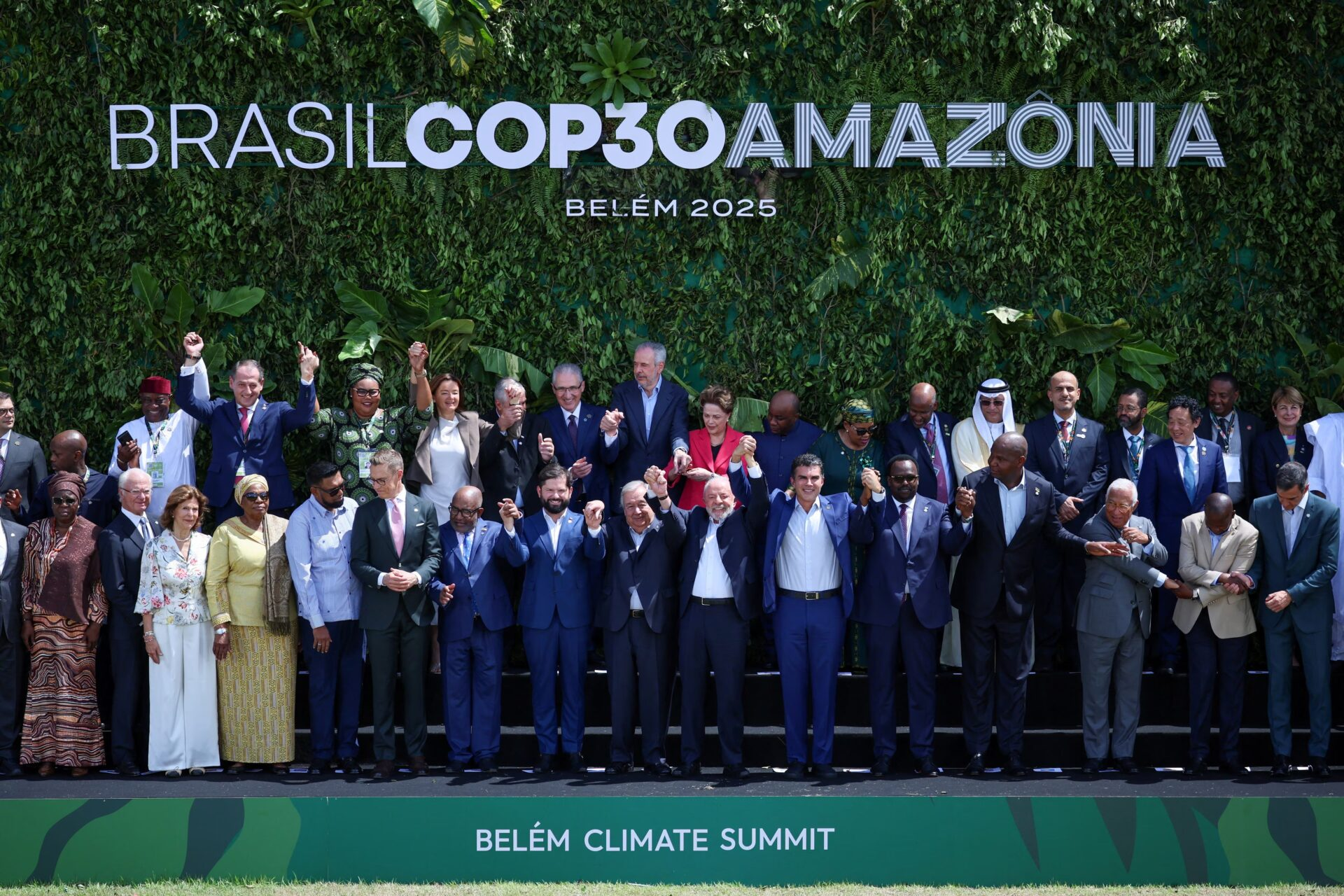
Why is the COP30 climate summit important, and what is it?
The United Nations climate summit generates hundreds of headlines each year about international attempts to prevent a global climate catastrophe. Monday marks the start of this year’s at Belem, a city in the Brazilian rainforest.
However, what precisely takes place at these yearly summits? What you should know is as follows:
A COP: WHAT IS IT?
COP, an acronym for Conference of the Parties to the 1992 U.N. climate treaty, is the name of the yearly conference.
The U.N. Framework on Climate Change Convention (UNFCCC) was a convention that committed nations to collaborating in the battle against climate change, a challenge that they recognized all nations faced and that was best addressed collectively.
The “common but differentiated responsibilities” idea was also established by the treaty, which states that wealthy nations that contribute the majority of global warming emissions have a higher obligation to address the issue.
Brazil now holds the rotating presidency, which establishes the agenda for the summit and works all year long to unite states around common objectives and actions. The two-week summit is then held there, bringing the issue to the attention of the world and providing a forum for national leaders to share ideas and hold each other accountable.
The yearly summits have developed into a significant forum for geopolitical and economic discourse throughout time, promoting the notion of a “global village” that embraces all nations, businesses, financiers, and civil society organizations.
WHY IS COP30 IMPORTANT THIS YEAR?
The 30th climate meeting this year is seen by many as a full circle moment.
Thirty-three years ago, Brazil held the Rio Earth Summit, where the UNFCCC treaty was signed. The nation asserted that this year’s event will go back to its origins by recognizing the most vulnerable people on the planet, including indigenous communities, some of which would participate in the discussions.
Instead of making new promises, Brazil has urged nations to focus on fulfilling existing ones, such as COP28 commitments to phase out the use of fossil fuels. Additionally, COP30 is the first to admit that the previous target of limiting global warming to 1.5 degrees Celsius has not been met.
In order to symbolically highlight the significance of global forests that continue to be targets for logging and other businesses like mining, farming, and the extraction of fossil fuels, Brazil chose to host COP30 in the Amazonian city of Belem.
AT THE SUMMIT, WHO ARE THE KEY PARTICIPANTS?
Teams are sent to the negotiations by the majority of national governments. Countries frequently communicate in groups based on shared interests.
The G77+China bloc of poor nations and the Alliance of Small Island States, which faces an existential threat from rising seas, are two of the most well-known voices.
The Africa Group and the BASIC Group, which consists of China, India, South Africa, and Brazil, are also significant.
The United States has resigned from its previous position of leadership after pledging in January to withdraw from the Paris Climate Accord. Brazil, China, and other countries have filled the gap.
It seems like two weeks have passed. During the summit, what happens?
The expansive COP site is frequently bustling with activity as corporations push for legislative changes and pursue business deals, while campaigners attempt to raise awareness of their issues.
This year has been different from previous years in that local leaders gathered in Rio de Janeiro while bankers met in Sao Paulo.
In an effort to garner support and momentum for climate action for the actual talks, those events were held before to the November 10–21 COP30, along with a gathering of world leaders in Belem.
Country negotiators will assess each other’s stances and spell out their priorities during the first week of the summit. As nations and businesses declare action plans and project funding commitments, themes ought to start to take shape.
During the second week, national ministers usually attend the negotiators to discuss final choices, including technical and legal aspects.
That sounds simple, doesn’t it?
Countries compete for deals that benefit their own countries and establish red lines, therefore COPs are rarely smooth. Sometimes the discussions peter out and turn sour.
In the last stages, negotiators frequently engage in desperate, all-night meetings in an attempt to reach an agreement. Following that, nations get together again to accept decisions—by agreement rather than unanimous vote.
The summit is nearly always postponed, sometimes by several days, until the closing session, when the hammer of a gavel signals the end of the summit. Pack some munchies.