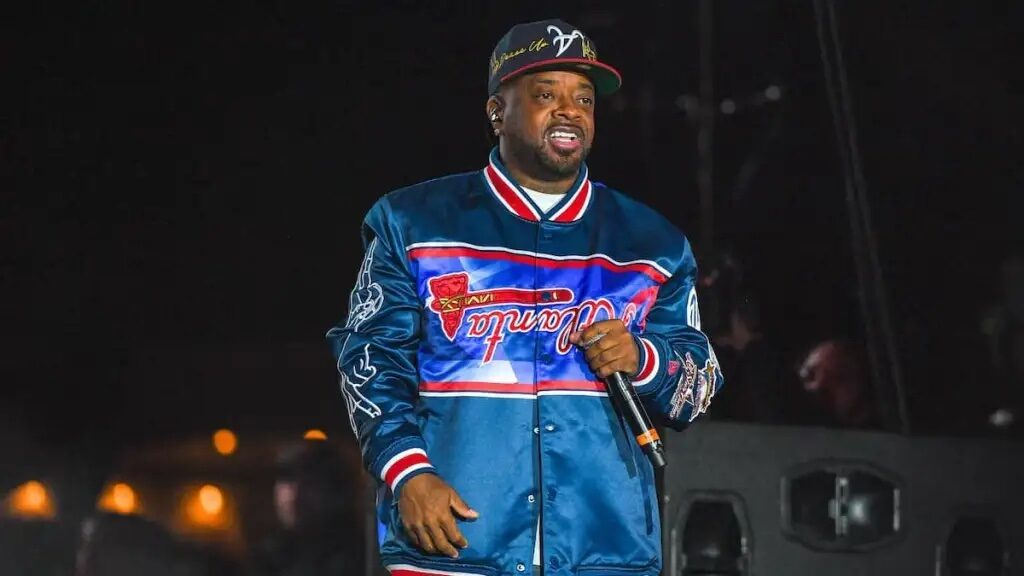
The music entrepreneur, who previously denounced Milli Vanilli for adopting phony voices, now criticizes the business for doing the same.
Jermaine Dupri is speaking out against the increasing usage of artificial intelligence in the music industry.
On X, the producer questioned why Milli Vanilli was once disciplined for utilizing artificial vocals yet AI-generated artists are being praised.
“Are we about to accept people who can’t even sing, writing songs for a fake person?” he tweeted. “So, let me get this right, the industry discovered years ago that Milli Vanilli weren’t the voices on their Grammy-winning record and they were stripped of their Grammy?” “What makes this different from Milli Vanilli?”
The renowned 1990 controversy in which the German duo Milli Vanilli lost their Grammy Award for Best New Artist is referenced in Dupri’s remark. Members Rob Pilatus and Fab Morvan were found to have lip-synced to the vocals of other artists rather than singing on their own tracks. Their Grammy was later canceled, causing one of the most significant scandals in the history of pop music.
Dupri observes that the emergence of AI-generated artists today is a comparable circumstance.
The rapid proliferation of AI-generated music is demonstrated by the fact that it has recently started to chart on Billboard.
Xania Monet made history earlier this week when her song “How Was I Supposed to Know?” debuted at No. 30 on the Adult R&B Airplay chart, making her the first AI artist to be featured on a Billboard radio chart.
Telisha “Nikki” Jones is a poet who wrote Xania. Earlier this week, she said on CBS Mornings, “Xania is an extension of me.” She is a real person in my opinion.
Authenticity, inventiveness, and whether the music industry is repeating itself are all issues that are brought up by Dupri’s point. If Milli Vanilli’s artificial vocals were a source of controversy decades ago, then why are AI-generated artists now hailed as genuine performers?