Trump administration has revoked approximately 80,000 non-immigrant visas due to crimes, political activities, and security concerns as part of its stricter immigration policies.
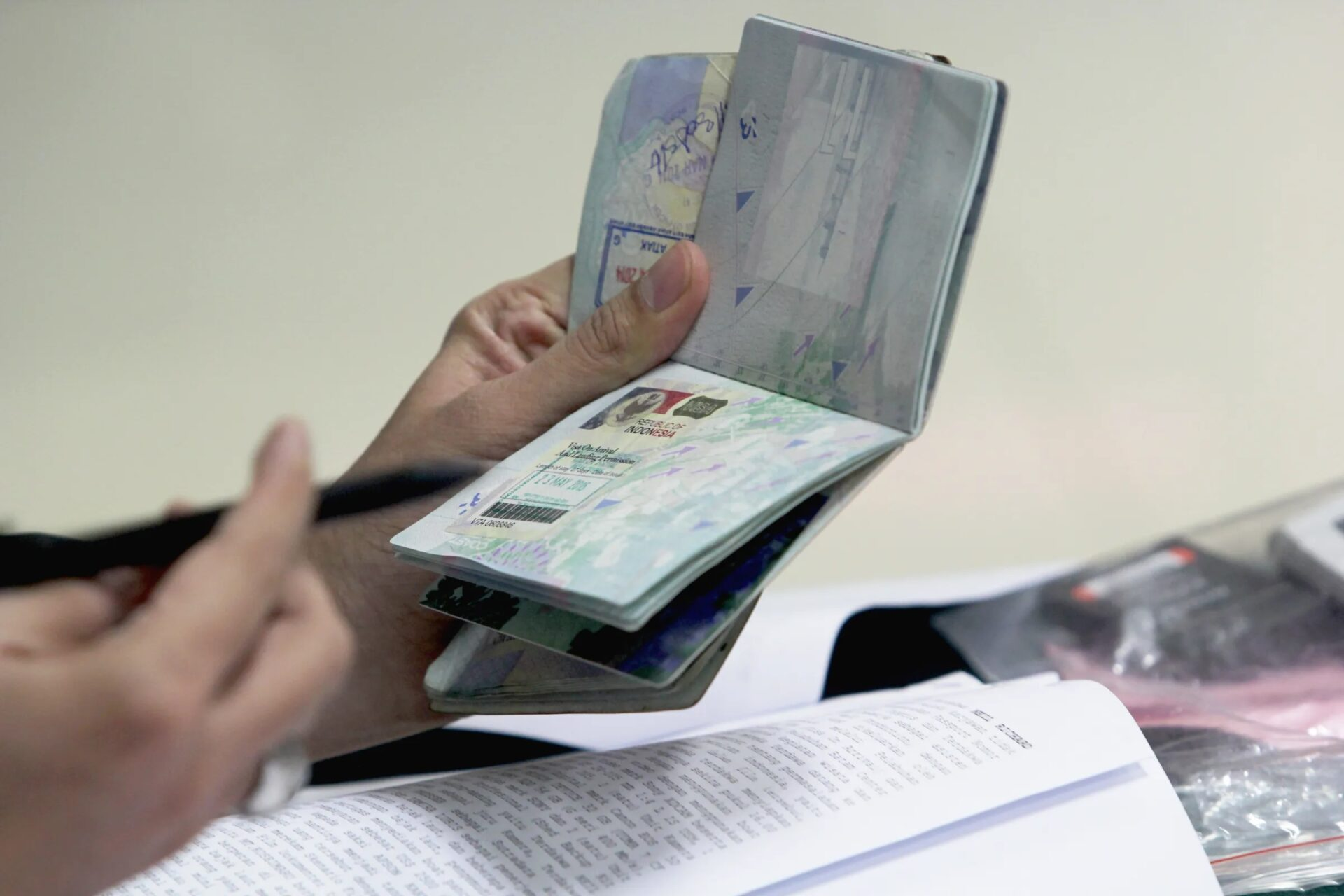
Since taking office on January 20, the Trump administration has revoked nearly 80,000 non-immigrant visas, marking one of the most significant immigration enforcement actions in recent years, as stated by a senior US State Department official.
The cancellations impacting tourists, students, and temporary workers were primarily associated with criminal offenses and political activities. Approximately 16,000 visas were revoked due to driving-under-the-influence (DUI) cases, 12,000 for assault, and 8,000 for theft, accounting for nearly half of all revocations this year.
“These three crimes alone represent nearly 50 percent of the revocations,” the official stated, requesting to remain anonymous.
The decisive action underscores President Donald Trump’s more stringent approach to immigration and visa screening. Since his return to office, the administration has broadened vetting procedures to encompass social media reviews and a more thorough examination of applicants’ political affiliations and activities.
In August, the State Department announced the revocation of over 6,000 student visas due to violations such as overstaying, breaking US laws, or connections to extremist groups. A limited number were cancelled due to purported “support for terrorism.”
In the previous month, US officials confirmed that at least six visas were revoked due to social media comments that celebrated the assassination of conservative activist Charlie Kirk.
Secretary of State Marco Rubio has stated that hundreds, potentially thousands, of visas have been revoked because of individuals’ participation in activities considered inconsistent with US foreign-policy objectives.
Earlier this year, diplomatic cables directed embassies around the globe to carefully observe visa applicants with histories of anti-US activism or political advocacy, especially regarding critiques of Israel’s actions in Gaza or demonstrations of support for Palestinians. Officials have asserted that these activities present “foreign-policy risks” and could suggest pro-Hamas sympathies.
The revocations highlight the administration’s increasing reliance on visa authority as a means of political and security strategy, garnering backing from staunch immigration proponents while facing backlash from civil rights organizations that caution against ideological bias.