Heineken will conclude its longstanding partnership with the UEFA Champions League in 2027 as AB InBev seeks to take its place.
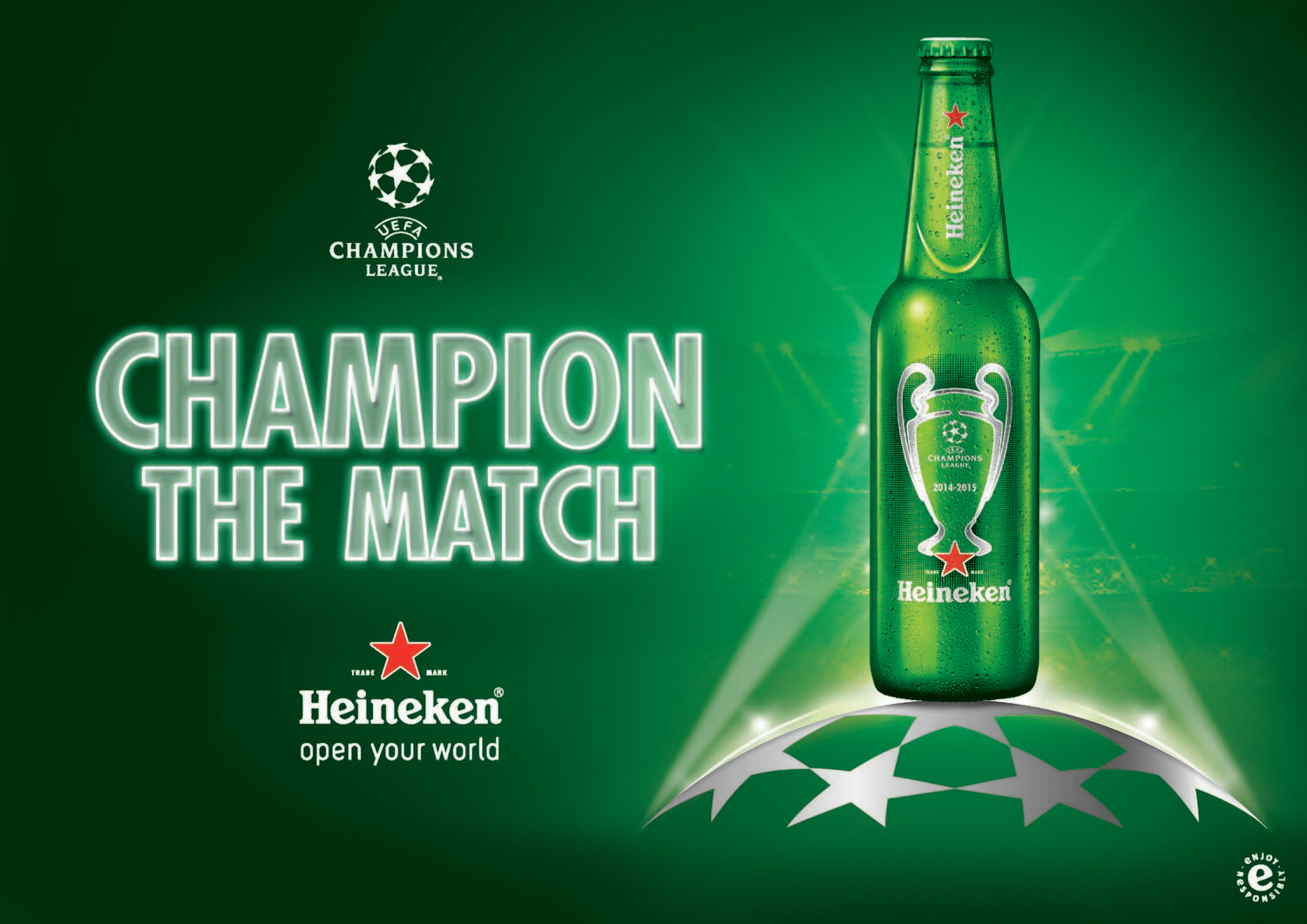
Heineken has revealed its intention to conclude its three-decade sponsorship of the UEFA Champions League in August 2027, marking the end of one of the most iconic brand partnerships in global football.
The decision follows an extensive evaluation of the Dutch brewer’s worldwide marketing expenditures. The company stated that this decision signifies a renewed emphasis on allocating resources to partnerships that provide greater long-term value, measurable impact, and enhanced consumer engagement.
Heineken initially participated in the competition in 1994 with its Amstel brand, later transitioning to its flagship Heineken label in 2005. Since that time, the brand has established a strong association with the tournament, making its presence felt in stadiums, television broadcasts, and worldwide fan initiatives.
On 30 October, Heineken confirmed that its decision to exit is in line with a changing strategy aimed at diversifying its sponsorship portfolio. The brewer stated that it will maintain its focus on sports and entertainment platforms that provide ongoing visibility and cultural significance.
The announcement comes after reports indicating that competitor AB InBev has begun exclusive negotiations with UEFA’s commercial division, UC3, to assume the role of official beer sponsor for all men’s club competitions from 2027 to 2033. The proposed agreement would encompass significant tournaments such as the UEFA Champions League, Europa League, and Conference League.
Industry analysts consider the shift a pivotal moment in global sports marketing, anticipating that AB InBev will utilize its scale and varied brand portfolio to enhance its presence in European football.
Heineken has once again confirmed its dedication to various prominent sports properties. The company announced its commitment to continue investing in Formula 1, where it acts as both title and sustainability partner, as well as in Premier Padel, an international racket sport in which it became the global beer partner earlier this year. It has also recently expanded its agreement with the UEFA Women’s Champions League for the 2025–2030 cycle.
Heineken, known for its iconic sponsorship legacy, is facing increasing pressure from investors to enhance growth and boost cost efficiency. Analysts observe that the brewer trails industry leader AB InBev in terms of production efficiency and market momentum, which can be attributed in part to a larger brewery footprint and elevated operating costs in certain regions.
CEO Dolf van den Brink, at the helm of the company since 2020, presented a refreshed strategic focus earlier this year. The strategy aims for annual cost savings of up to €500 million by 2030, while also focusing on growth initiatives in 17 priority markets and five key global brands.
Heineken seeks to attain mid single digit annual revenue growth and enhanced profit margins through its strategy, which the company asserts will bolster its competitiveness in a fluctuating global market.
Van den Brink conveyed a hopeful outlook regarding the global beer market, predicting a rebound to approximately one percent annual volume growth as economic challenges and geopolitical uncertainties diminish in the coming years. He stated that Heineken aims to surpass the overall category once the recovery takes place.
The company’s choice to exit the UEFA Champions League signifies the conclusion of a significant chapter in sports marketing, with its green branding and iconic red star having been a staple of European football evenings for many years.