Elon Musk’s record $1 trillion compensation package, which links benefits to growth milestones, robotaxi, and artificial intelligence, has been approved by Tesla shareholders.
Elon Musk’s $1 trillion remuneration package was approved by Tesla shareholders, making it the biggest executive compensation agreement in the company’s history and solidifying his leadership in determining the direction of the robotics and artificial intelligence divisions.
Over seventy-five percent of shareholders voted in favor of the plan, which was approved during Tesla’s annual general meeting in Austin, Texas. As long as Musk meets extremely ambitious goals, such as producing 20 million electric cars, launching one million robotaxis, and increasing Tesla’s market value to as much as $8.5 trillion, the package enables him to unlock stock awards worth up to $1 trillion over the following ten years.
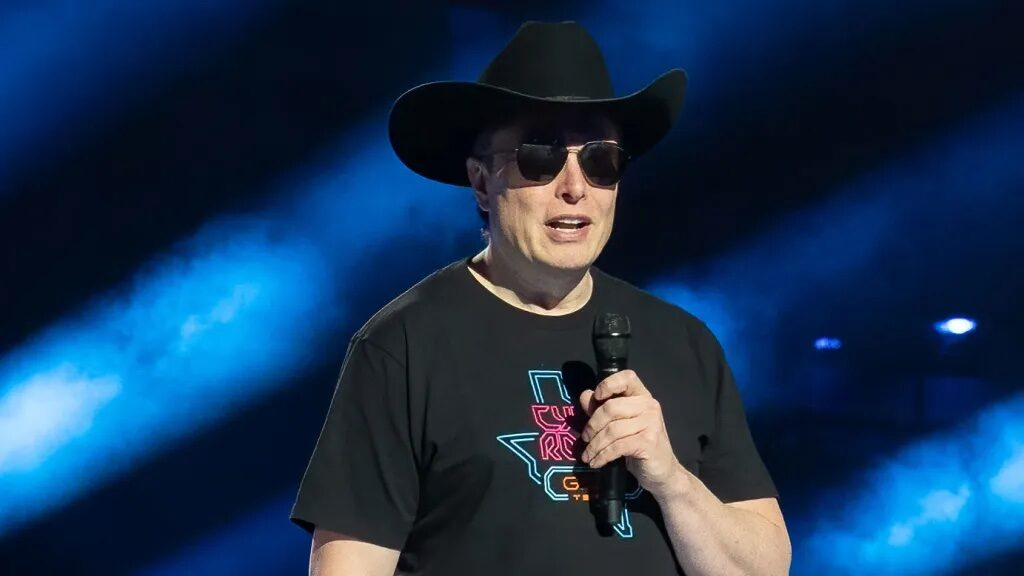
For Musk and Tesla, the choice marks a turning point. Musk said the business was “beginning a whole new book” in its journey as he took the stage amid applause and dancing robots. In addition to announcing plans to introduce the next generation Roadster electric sports vehicle, he vowed that manufacturing of the two-seater, steering-less Cybercab robotaxi would start in April.
As a sign of a move toward better corporate governance, shareholders also supported a plan for yearly board elections and re-elected three board members. Additionally, a substitute for Musk’s previous compensation plan—which had been halted in court—was accepted.
To put more pressure on investors, the Tesla board had already threatened that Musk might think about leaving if the compensation package was turned down. Supporters contended that linking Musk’s incentives to performance guarantees alignment with shareholder interests as Tesla transforms from an automaker into an AI-powered robotics company, despite detractors calling the contract “excessive.”
Despite worries about possible conflicts of interest, investors also backed a motion permitting Tesla to invest in Musk’s artificial intelligence startup, xAI. Governance experts called for strong control to prevent overlaps between Musk’s enterprises.
Musk’s 15 percent ownership holding proved pivotal, despite opposition from prominent proxy consulting firms and Norway’s public wealth fund. Analysts say the outcome illustrates his ongoing impact and shareholders’ faith in his leadership.
Musk’s stock awards will vest gradually when operational and market-cap goals are met, according to the deal. Partial accomplishments might still earn him tens of billions of dollars, but reaching all targets would pay him up to 12 percent of Tesla’s shares, which are worth around $878 billion after deductions.
Musk maintained that the goal of the plan was to save the power required to propel Tesla’s vision of a “robot army” of driverless cars and humanoid machines, not to amass personal fortune.
With this record-breaking approval, Tesla now faces the challenge of translating Musk’s lofty promises into reality, a test of innovation, leadership, and investor faith in one of the most ambitious corporate strategies ever attempted.