Sudanese force’s seizure of Darfur City may further solidify the nation’s division
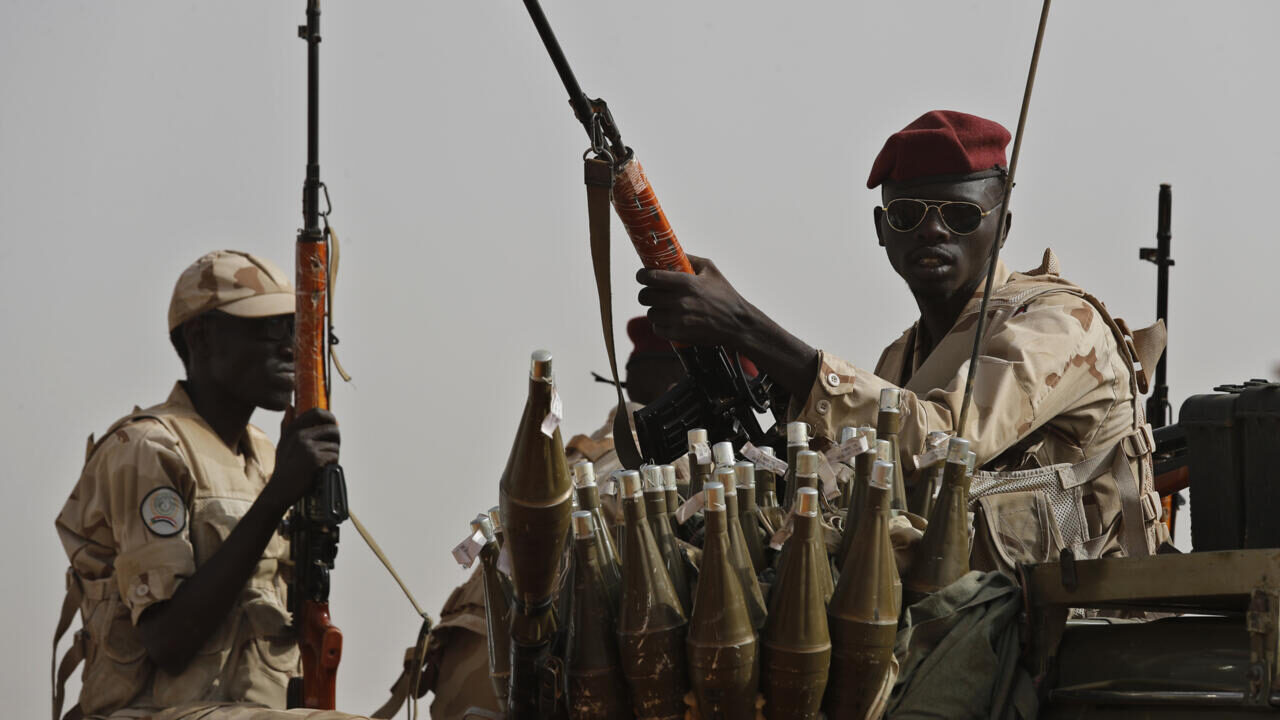
In a Darfur city that has been under a bloody 18-month siege, a Sudanese paramilitary group is fighting the remaining pockets of resistance. A complete takeover would solidify the country’s geographic division between opposing armed factions.
The Rapid Support Forces (RSF) advance has also sparked concerns about a possible escalation of conflict in other parts of Sudan and retaliation against the estimated 250,000 people who are still in al-Fashir, the last bastion of the Sudanese army in the western Darfur region.
Witnesses, as well as military and humanitarian sources, reported that RSF fighters had been holding escaping residents in neighboring towns and villages since the RSF claimed to have taken control of the army’s headquarters in al-Fashir on Sunday. The International Organization for Migration estimated that the conflict had caused the displacement of about 26,000.
According to a broadcast statement by Army Chief Abdel Fattah al-Burhan, his troops had made the decision to leave the city “given the destruction and intentional killings of civilians.”
RSF militants surrounded thousands of army and affiliated former rebel soldiers who had retreated into neighborhoods in western al-Fashir, according to two Sudanese military sources on Monday.
PARTICULAR RISK
Top RSF officials, including General Mohamed Hamdan Dagalo, commonly known as Hemedti, currently reside in Darfur, the RSF’s stronghold, where it also established a parallel government, according to RSF sources.
The U.S. senior adviser for Arab and African affairs, Massad Boulos, warned Al Jazeera Mubasher that “in terms of future partition, the RSF’s complete control of the Darfur region could have dangerous and worrying consequences.”
He compared that possibility to Libya, where rival regimes associated with eastern and western military forces established a de facto geographic division.
The RSF, which has been engaged in a civil war with the army for almost two and a half years, may attempt to retake territory in other parts of Sudan by using the momentum, according to observers.
The conflict could worsen if the most recent push for U.S.-brokered peace talks succeeds where previous attempts have not. The conflict has already resulted in starvation, waves of ethnically motivated violence, and the displacement of millions of people.
The RSF was driven out of the capital city of Khartoum by the army earlier this year, but according to one military and one RSF source, the paramilitaries have accumulated sophisticated weapons, like as long-range drones, that would enable them to try a resurgence.
The potential for additional advancements
According to U.N. chief Antonio Guterres, the likelihood of a political resolution was being weakened by the supply of arms from abroad and growing outside intervention in the conflict. Although the UAE disputes it, the army accuses it of giving the RSF military support.
“We haven’t seen a sign that RSF leadership is content with just western Sudan,” stated Crisis Group’s director for the Horn of Africa, Alan Boswell. “So as long as they are receiving enough supplies to continue a war effort, they still look like they are continuing to escalate this war.”
In North Kordofan, the RSF gained ground over the weekend in the strategically important city of Bara, bringing it within hours of Khartoum.
“Our liberation of al-Fashir is the liberation of Sudan, all the way to Port Sudan…. We are coming and we are coming heavy,” RSF second-in-command Abdelrahim Dagalo stated in a video on Sunday that the force released from the army’s al-Fashir camp.
An RSF-led authority’s motto, “The new Sudan goes forward, the old Sudan gets destroyed,” is heard being chanted by one soldier.
According to a statement released by the RSF on Monday, humanitarian preparations were underway and it would safeguard people in al-Fashir.
CIVILIANS gathered around
According to two humanitarian and two military sources, the RSF seems to be sending displaced civilians to towns near al-Fashir in order to establish camps for them.
Witnesses who arrived in Tawila, a town to the east that is under the control of a neutral force and has taken in hundreds of thousands of evacuating civilians, told Reuters that they were told to walk to the nearby town of Garney, where hundreds of people, including women and children, were still being held by the RSF.
The top U.N. official in Sudan, Denise Brown, described the adults and children who had fled al-Fashir along dangerous roads as “dehydrated, malnourished, some injured and all traumatized.”
As was the case in the southern Zamzam displacement camp, activists have long warned of retaliatory assaults against Zaghawa tribal civilians following the fierce battle for the city.
On Sunday, RSF leaders published recordings claiming to be allowing former fighters to travel safely. However, other activist-posted videos that Reuters did not confirm seemed to depict RSF troops murdering unarmed men and celebrating around dead bodies.