US may impose additional sanctions on Russia over the crisis in Ukraine, but it also wants Europe to put greater pressure on Russia
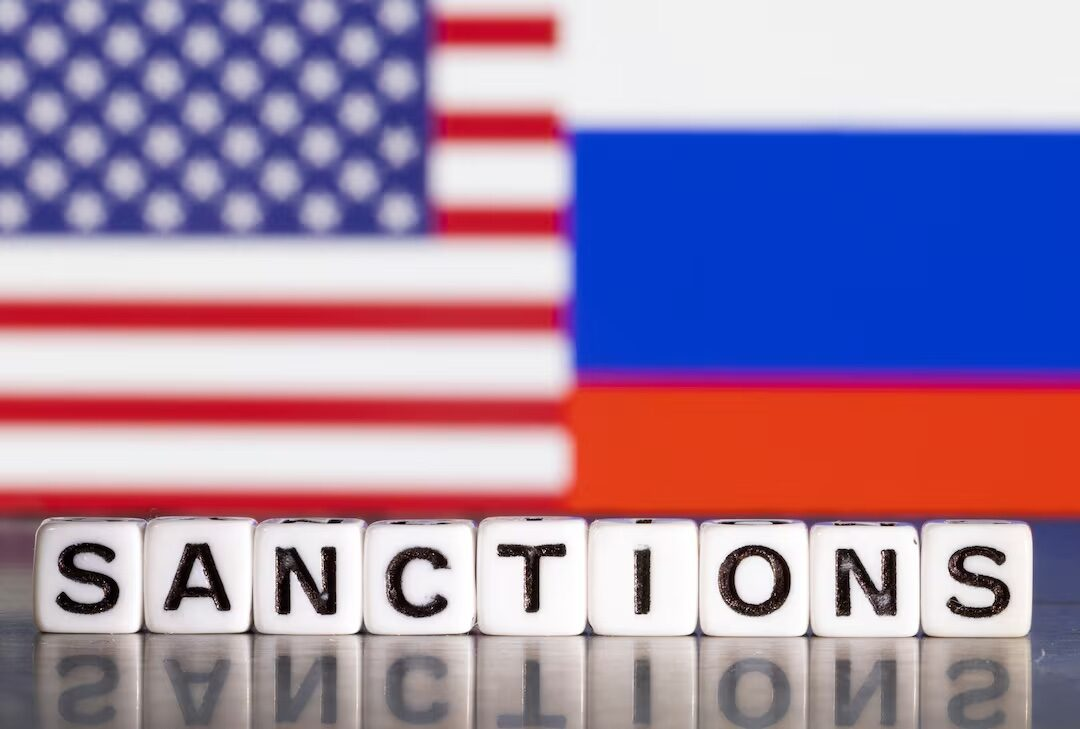
One U.S. official and another person familiar with the situation said that if President Vladimir Putin keeps delaying ending Moscow’s war in Ukraine, the administration of U.S. President Donald Trump has prepared additional sanctions it might deploy to target important sectors of Russia’s economy.
Additionally, Washington has had preliminary internal discussions about using Russian assets held in the U.S. to bolster Ukraine’s war effort, according to two U.S. officials, and U.S. officials have informed European counterparts that they favor the EU using frozen Russian assets to purchase U.S. weapons for Kyiv.
Although it is unclear if Washington will actually implement any of those actions in the near future, Trump’s sanctions on Russia on Wednesday, his first since taking office again in January, demonstrate that the administration has a well-developed toolkit to raise the stakes even higher.
Although Trump has portrayed himself as a world mediator, he has acknowledged that it has been more difficult than he had expected to put an end to Russia’s more than three-year war in neighboring Ukraine.
His August encounter with Putin in Alaska ended without any breakthrough. On Saturday, Trump told reporters in Doha that he would not meet with Putin again until a peace agreement seemed likely. “I’m not going to be wasting my time,” Trump declared.
Having been tossed around by Trump’s vacillations between conciliation and ire toward Putin, European friends hope he continues to put more pressure on Moscow.
A top U.S. official told Reuters that he hopes European countries will follow suit with further penalties or tariffs, which may be the next big move against Russia. Trump is likely to put his plans on hold for a few weeks in order to assess Russia’s response to Wednesday’s sanctions announcement, according to a different source familiar with internal government dynamics.
The energy firms Rosneft and Lukoil were the targets of the sanctions. Significant Chinese and Indian consumers of Russian crude were forced to hunt for alternatives as a result of the actions, which caused oil prices to rise by more than $2.
Trump stated on Saturday that he may bring up China’s purchases of Russian oil during his meeting with President Xi Jinping on Thursday. However, Trump informed reporters that “India is cutting back completely” and China is reducing its use of Russian oil “very substantially.”
Oil Infrastructure and the Banking Sector
According to one U.S. official and another person familiar with the situation, the United States has drafted further sanctions that target Russia’s banking industry and the infrastructure used to get oil to markets.
According to a person familiar with the discussions, Ukrainian officials last week suggested additional measures that the United States may impose. According to two sources, one of their proposals was to cut off all Russian banks from their counterparts in the United States from the dollar-based system. However, it is unclear if U.S. officials are giving Ukraine’s particular requests any real thought.
Some U.S. senators are redoubling their efforts to pass a bipartisan sanctions package that has been delayed for a long time. Trump is amenable to supporting the package, according to the source with knowledge of internal administration dynamics. However, the insider cautioned that this kind of endorsement is not expected to occur this month.
An inquiry for comment was not answered by the Treasury Department.
On Friday, Russian President Vladimir Putin’s special envoy for investment and economic cooperation, Kirill Dmitriev, stated that he thinks a diplomatic solution to halt Russia’s war in Ukraine is imminent for his nation, the United States, and Ukraine.
The Ukrainian Embassy spokesman in Washington, Halyna Yusypiuk, expressed gratitude for the recent sanctions decision but made no more remarks.
According to Yusypiuk’s email, “the most humane way to end this war is to dismantle Russia’s war machine.”
THE WHIPLASH WEEK
A turbulent week for the administration’s Ukraine policy was brought to a close by Trump’s decision to impose penalties on Russia.
Trump surprised Ukraine by announcing last week that he and Putin will meet in Budapest after speaking with Putin.
US authorities urged Ukrainian President Volodymyr Zelenskiy to cede territory in the Donbas region as part of an unfair land exchange to end the conflict when Trump met with Zelenskiy in Washington the next day. Trump left the meeting believing that the war should be stopped at its frontlines after Zelenskiy resisted.
Then, over the weekend, Russia reiterated earlier peace offers in a diplomatic communication to Washington. Trump later told reporters that the scheduled meeting with Putin was cancelled because “it just didn’t feel right to me.”
After arriving in Washington for discussions with U.S. officials, Dmitriev told CNN on Friday that a meeting between Trump and Putin has not been canceled, as the U.S. president said, and that the two leaders will probably meet later.
Two U.S. officials privately suggested that Trump’s failed attempt to meet with Putin was probably the result of unreasonable excitement. These insiders claimed that Trump underestimated his ability to leverage the momentum of one diplomatic victory to achieve another after securing a ceasefire in Gaza.
At a meeting with Treasury Secretary Scott Bessent and Secretary of State Marco Rubio on Wednesday, Trump finally made the decision to impose sanctions on Russia, according to a senior White House official.